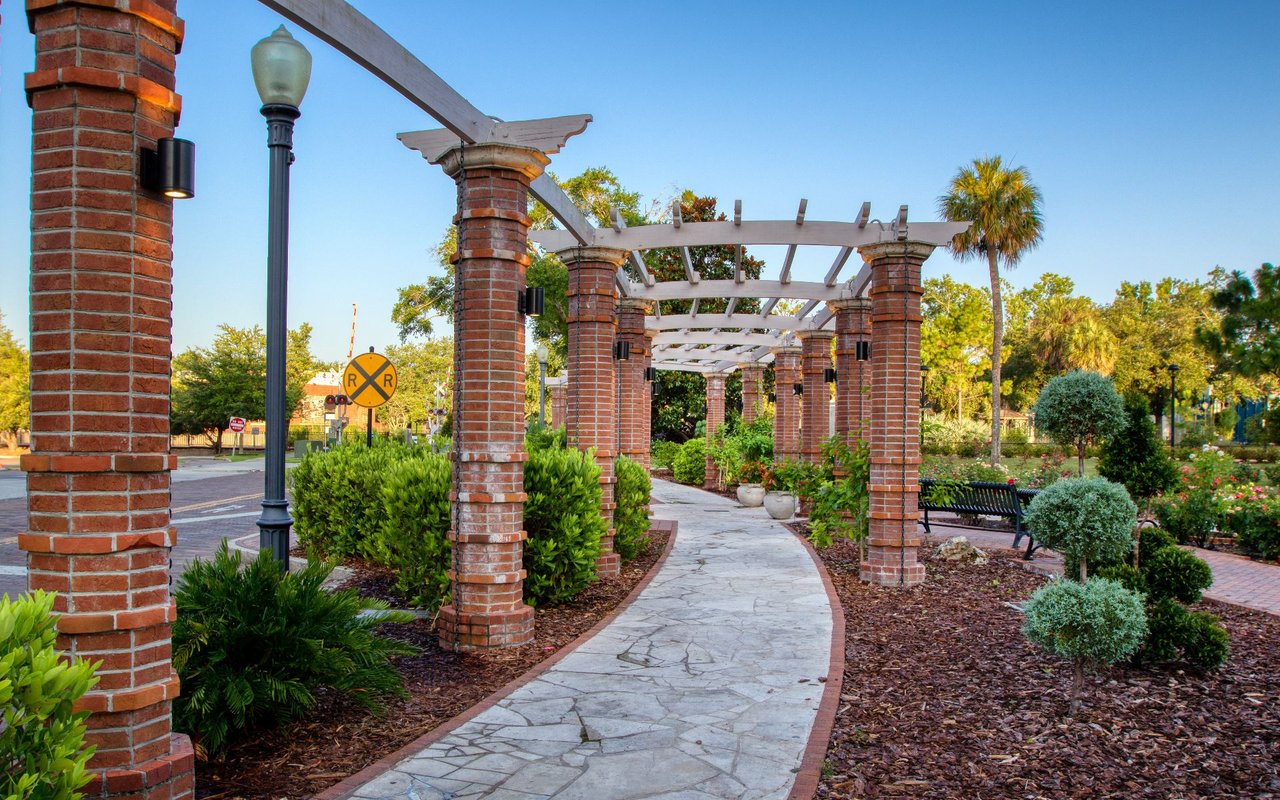
79,678 people live in Winter Park, where the median age is 38 and the average individual income is $53,579. Data provided by the U.S. Census Bureau.
Total Population
Median Age
Population Density
Average individual Income
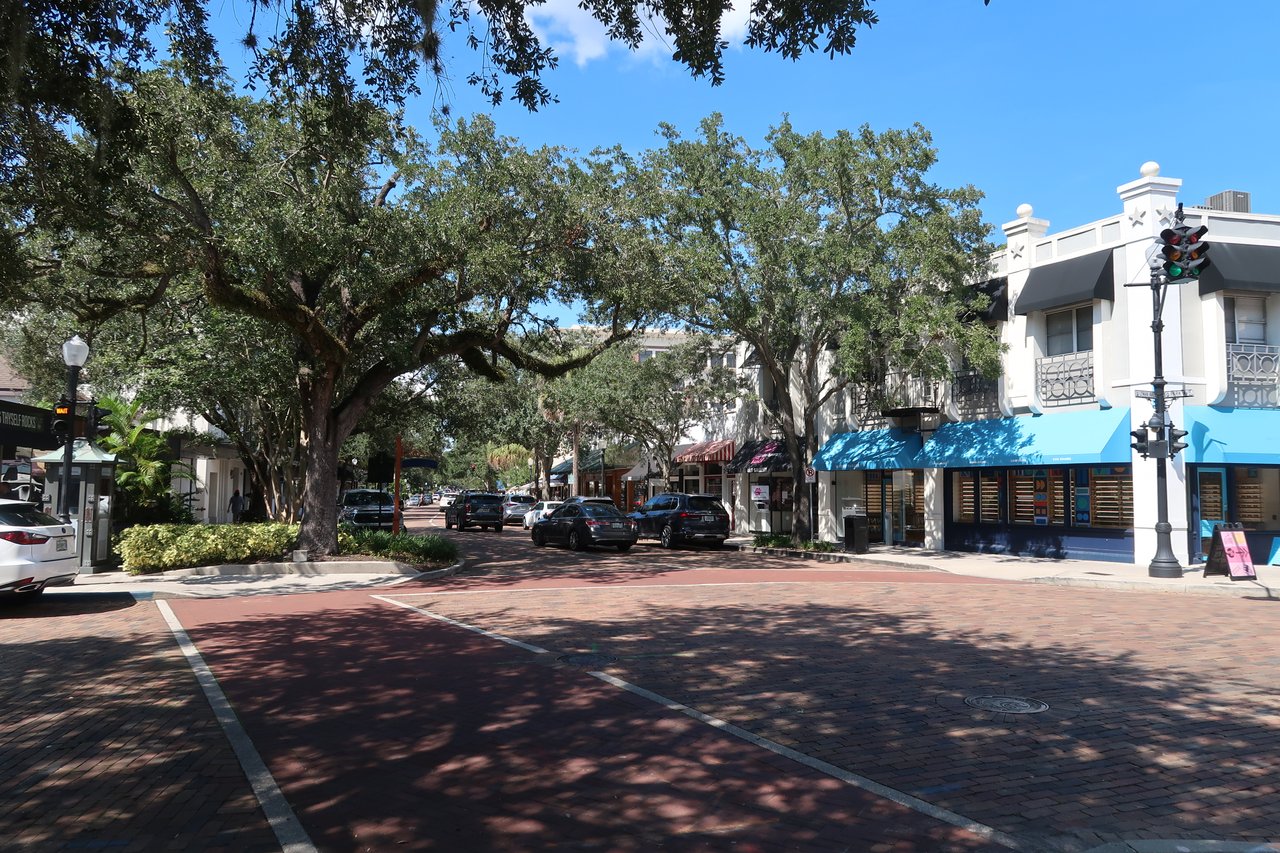
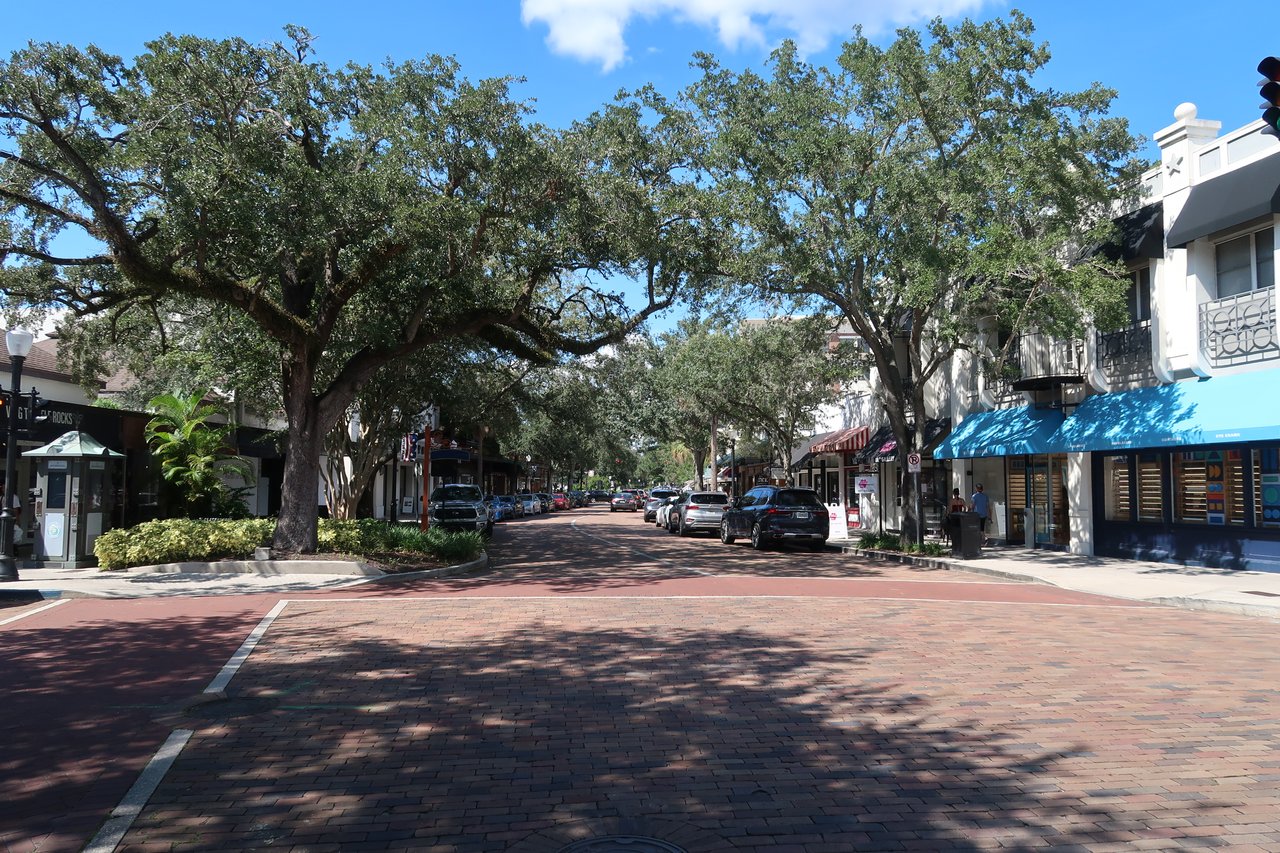
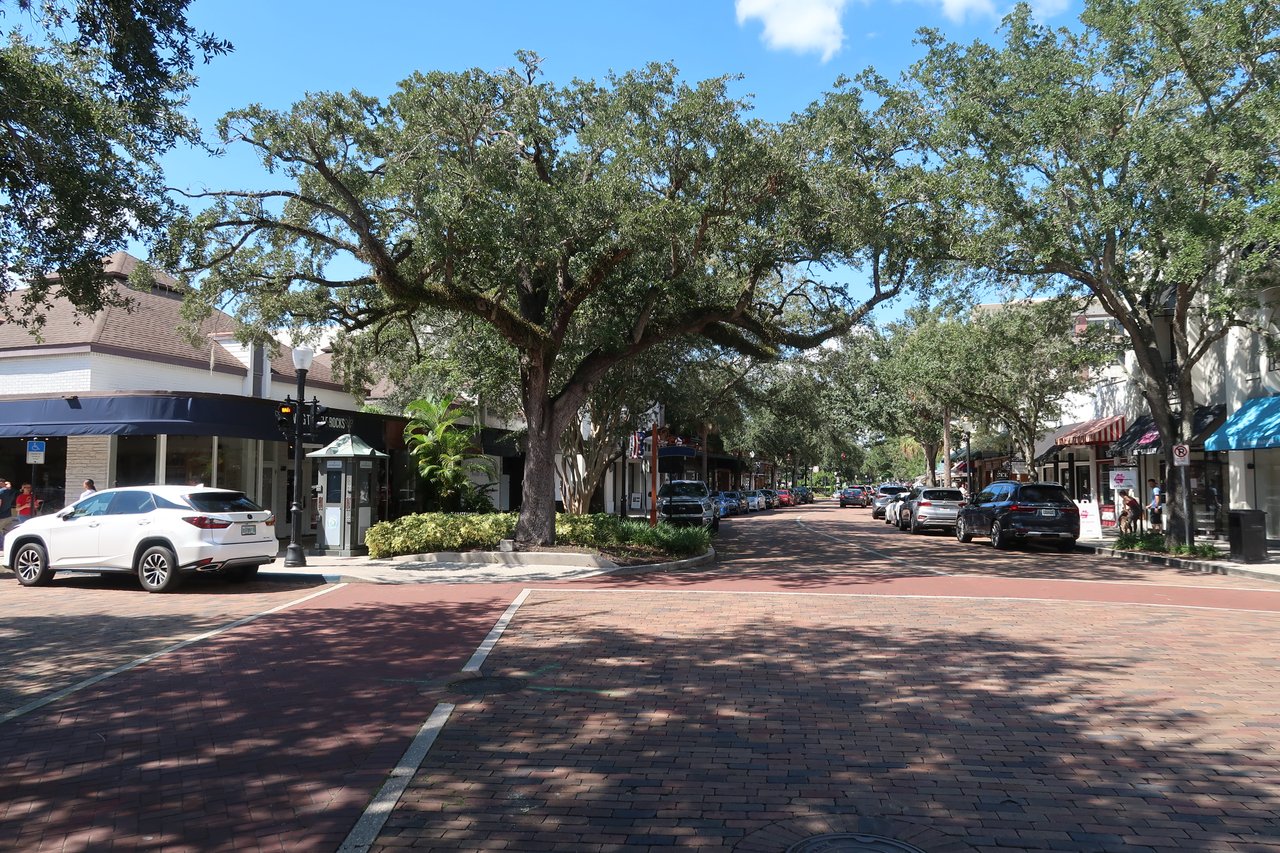
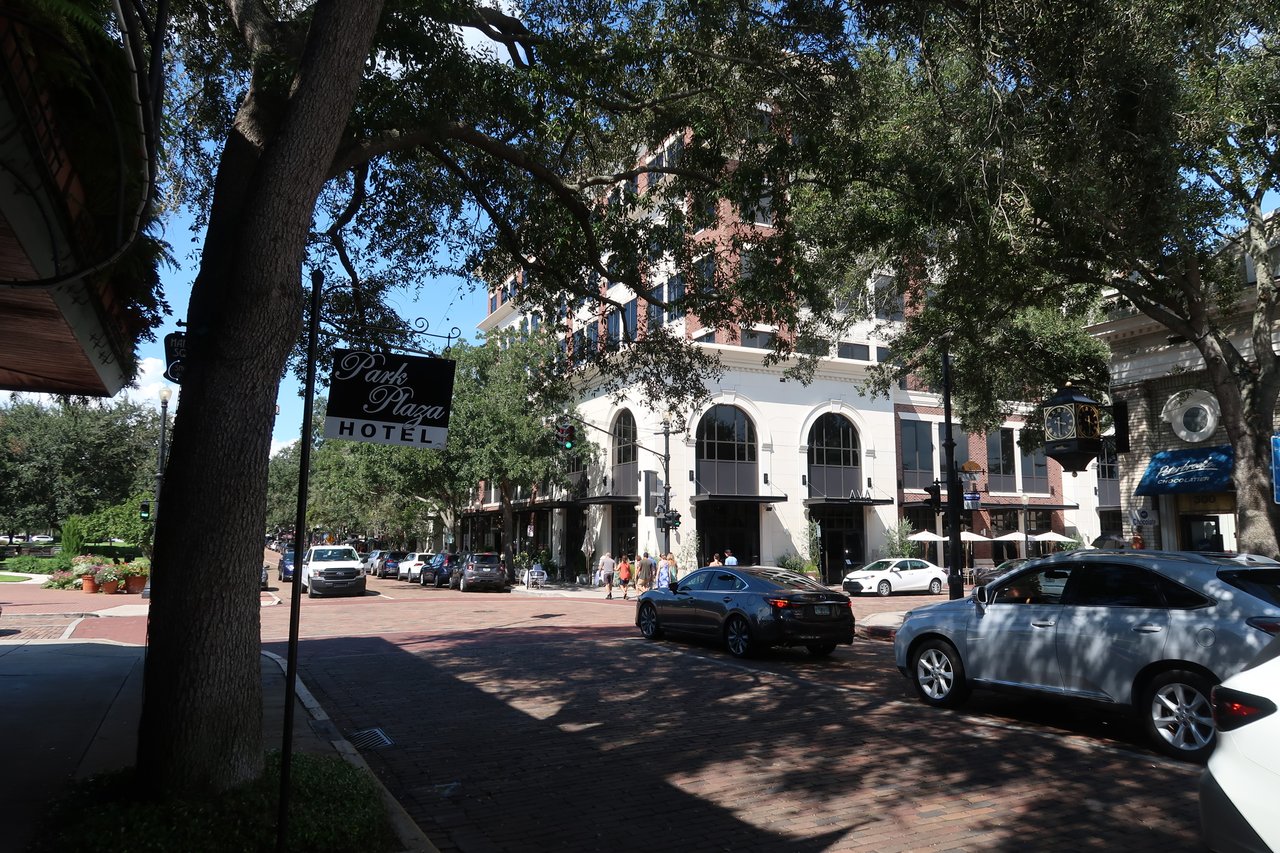
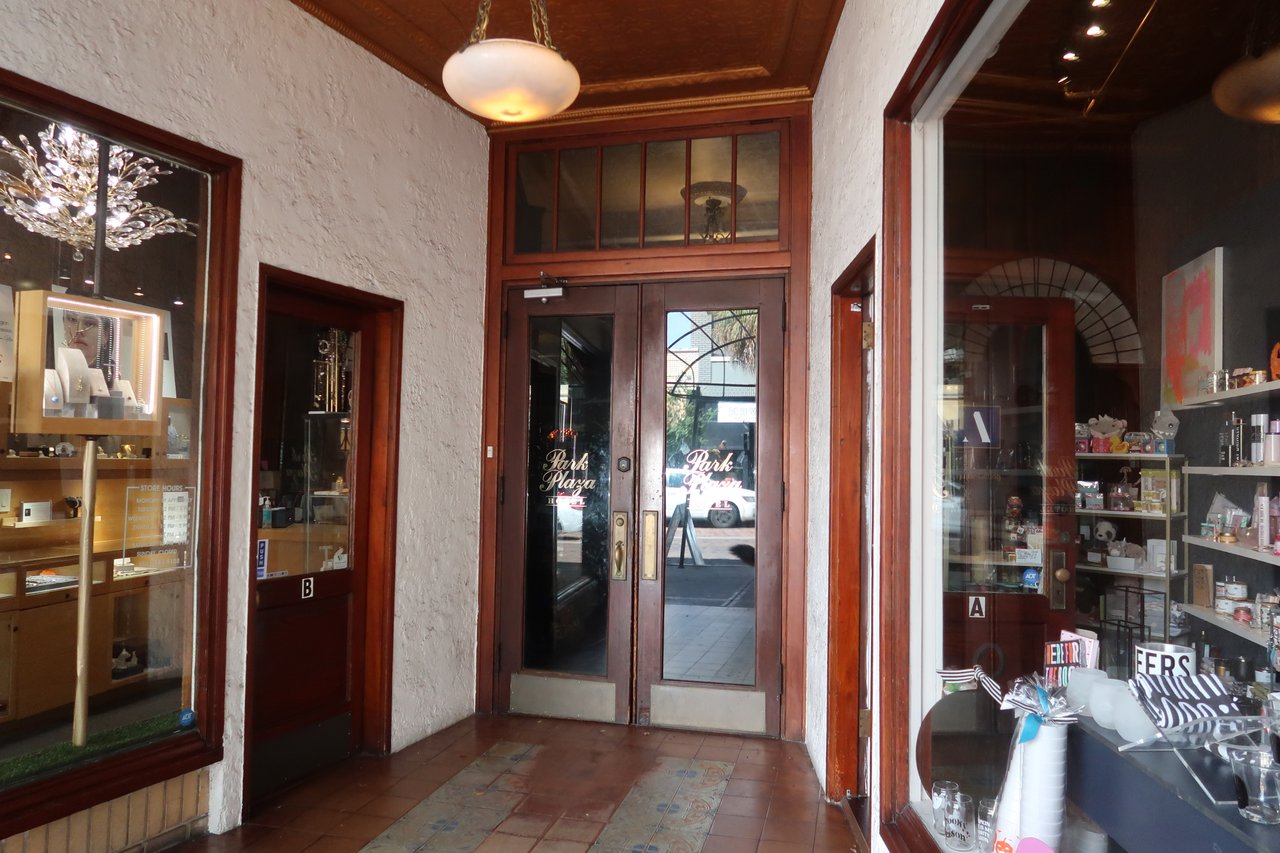
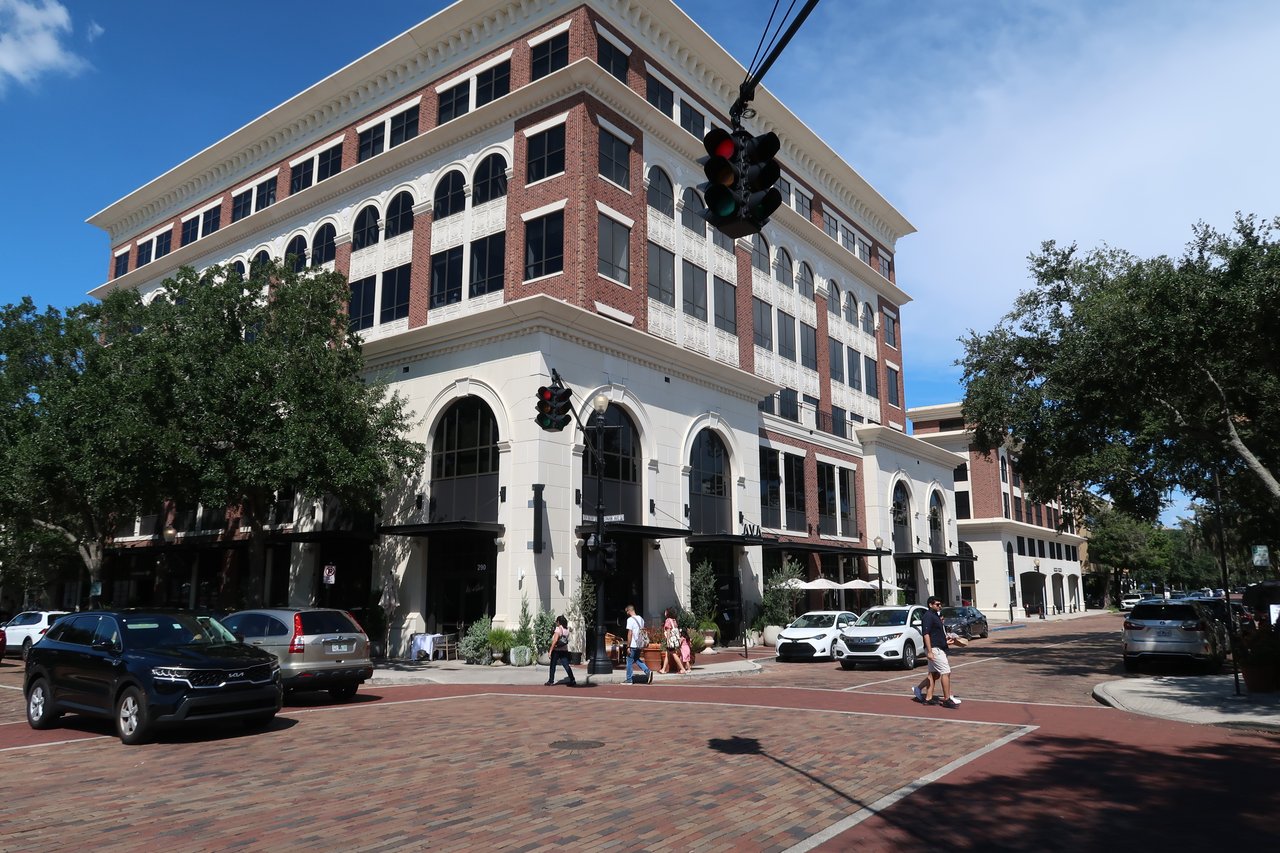
Winter Park doesn't feel like the rest of Central Florida, and that's precisely the point. Founded in the 1880s as a winter retreat for wealthy Northerners, the city was built around brick-paved streets, a canopy of mature live oaks, and a chain of interconnected spring-fed lakes. More than a century later, that original vision still shapes daily life here. This is a place where a morning can start with espresso on Park Avenue, move to a paddle across Lake Osceola, and end at a gallery opening or a wine bar tucked into Hannibal Square.
What makes Winter Park distinct is the way it holds two identities at once. There is the historic luxury core near Park Avenue and the Chain of Lakes, where prewar estates and multimillion-dollar custom builds sit under towering oaks. And there is the more grounded, family-oriented east side, where mid-century ranch neighborhoods offer a genuine foothold into one of the region's most coveted addresses. Both belong to the same city, share the same school pride, and draw from the same cultural well of museums, festivals, and Rollins College. Buyers who understand this dual character are the ones who find the right fit rather than simply the most expensive one.
The Winter Park market in mid-2026 is best described as desirable but deliberate. The frantic, sight-unseen bidding that defined the post-pandemic years has cooled into a more balanced environment, one where buyers have room to think and sellers must price with discipline. The overall median sale price sits near $800,000, up roughly 7% year over year, though that single number hides more than it reveals.
The clearest way to understand Winter Park is through its two zip codes. The 32789 historic core, anchored by Park Avenue and the Butler-adjacent Chain of Lakes, commands a median listing price around $1.4 million, with price per square foot exceeding $530. Just east, the 32792 corridor offers a far more accessible entry point, with typical home values closer to $397,000. These are not two segments of one market so much as two different markets sharing a name.
Across both, supply and demand have found rough equilibrium. Homes are selling at about 96% to 98% of their original asking price, meaning buyers are securing modest discounts rather than paying premiums out of desperation. For a market this prestigious, that balance is a meaningful shift, and it rewards buyers and sellers who read the conditions accurately.
Several currents are shaping the Winter Park market right now, and they point in different directions depending on where you look.
Homes are simply taking longer to sell. The median time on market now runs anywhere from 27 to 62 days, a stretch that gives buyers breathing room and negotiating leverage that didn't exist a few years ago. That slowdown is most visible in the suburban brackets, where roughly a quarter of listings have taken price cuts as sellers adjust to the realities of current mortgage rates and buyer affordability.
The premium and accessible tiers are moving in near-opposite directions. Standalone luxury houses in 32789 remain tightly held, with list prices pushing upward, while condos and townhomes have seen inventory expand modestly and continue to trade faster as the affordable alternative, with a median condo listing near $246,000. Meanwhile, the rental market is thriving precisely because buying has become a financial stretch, with median rents climbing over 11% year over year in the premium pockets.
One trend worth noting for sellers: Winter Park continues to draw out-of-state money. The largest share of relocating buyers arrives from New York, followed by Miami and Washington, D.C., a pipeline of affluent transplants that keeps demand for the luxury core resilient even as the broader market normalizes.
Winter Park is, for all practical purposes, a built-out city. There are no large tracts of vacant land waiting for master-planned subdivisions, and that scarcity defines everything about new construction here. What gets built is specialized, competitive, and almost always premium.
In the 32789 core, new construction is essentially a teardown story. Builders and custom buyers acquire aging 1950s and 1960s ranch homes for the value of the land alone, remove them, and replace them with high-end custom estates. If you're seeking brand-new single-family construction near the historic streets or the lakes, pricing routinely starts above $2 million, delivering modern finishes, energy efficiency, and smart-home integration set against the city's historic brick backdrop.
Because land is so limited, developers have leaned heavily into boutique multi-family projects. Luxury townhomes and low-maintenance condos near the Park Avenue district have become the preferred option for downsizers and affluent professionals who want the lifestyle without the upkeep. For buyers who want newer construction without a seven-figure price tag, the better hunting ground is farther east, where gated communities like Hawks Crest and newer infill in Winter Park Pines offer contemporary layouts at more attainable prices.
Selling in today's Winter Park requires a mindset shift from the boom years. This is a deliberate market, and homes that launch with unrealistic expectations pay for it. Roughly a third of active listings across the broader market have taken price cuts, almost always because they came out too high and stalled. The most effective strategy is to price precisely at or slightly below fair market value to generate early momentum, because in a balanced market, stagnation is the enemy and an overpriced listing usually forces a larger correction later.
Sellers should also plan for a normalized timeline. Expect a traditional cycle of open houses, private showings, and structured inspection periods rather than a contract within 48 hours. Homes here now take a median of roughly 27 to 57 days to sell, and pacing your expectations accordingly keeps the process from feeling like a setback when it's actually the norm.
Two factors can meaningfully tilt a sale in your favor. The first is the cash advantage: in the luxury core, somewhere between 39% and 50% of purchases close all-cash, which means marketing directly to luxury relocation networks can produce clean, quick-closing offers insulated from rate fluctuations. The second is condition. Buyers paying a premium to live in Winter Park expect a turnkey experience, and homes with updated kitchens, neutral palettes, and newer roofs and HVAC systems stand out sharply. If a property is older and unrenovated, it needs to be priced to account for the buyer's future remodeling budget.
Pricing a Winter Park home correctly is less about ambition and more about precision. With the market's sale-to-list ratio hovering around 97% to 98%, and nearly 70% of homes ultimately selling below their original asking price, the fastest way to erode value is to launch high and chase the market down.
The proven approach is to price right at, or one to two percent below, the most recent comparable sales from the past 90 days. In a balanced market, fair pricing generates the early foot traffic that leads to offers, and well-priced homes tend to go pending within three to five weeks, while overpriced ones drift past the 60-day mark and lose their momentum. The strategy differs by segment, though. In the 32789 luxury core, scarcity is on your side, and you can price firmly near the premium average above $530 per square foot, provided the home has the finishes and turnkey status to justify it. In the 32792 suburbs, where middle-market buyers feel every fraction of a point in mortgage rates, competitive pricing matters far more, and you'll want to price aggressively enough to capture buyers filtering out of the luxury zone.
A disciplined seller also plans the exit ramp before listing. If serious inquiries or an offer haven't materialized within the first three weeks, the market is signaling that the price is too high, and having a pre-planned adjustment of roughly 3% to 5% ready to deploy protects the listing before it goes stale.
Buyers in Winter Park have more leverage than they've had in years, but leverage is not the same as license to lowball. A well-priced home will still ignore an insulting offer, so the goal is to be strategic rather than aggressive.
Timing tells you almost everything about how to open. On a fresh listing under two weeks old, especially a well-presented home in 32789, expect to offer 98% to 100% of list price, and be prepared for competition on premier properties. On a listing that's been sitting 45 days or longer, the dynamic flips in your favor. Homes are closing an average of 2% to 3% below asking, so opening around 5% to 7% below list gives you room to negotiate, particularly if the seller hasn't yet made a price cut.
Two additional realities shape a smart offer here. The first is cash competition: with nearly 40% of transactions closing all-cash, financed buyers need to make their offers as clean as possible, which can mean shortening an inspection period from the standard 15 days to 7 to 10 and arriving with a fully underwritten pre-approval rather than a generic pre-qualification. The second is that contingencies are back on the table. Keep your inspection contingency without exception, because many of Winter Park's beautiful historic and mid-century homes hide aging cast-iron pipes, older roofs, or electrical systems that Florida insurers scrutinize closely. And don't hesitate to ask for seller concessions toward a rate buydown or closing costs, especially in 32792, where sellers are increasingly willing to negotiate to keep a deal alive.
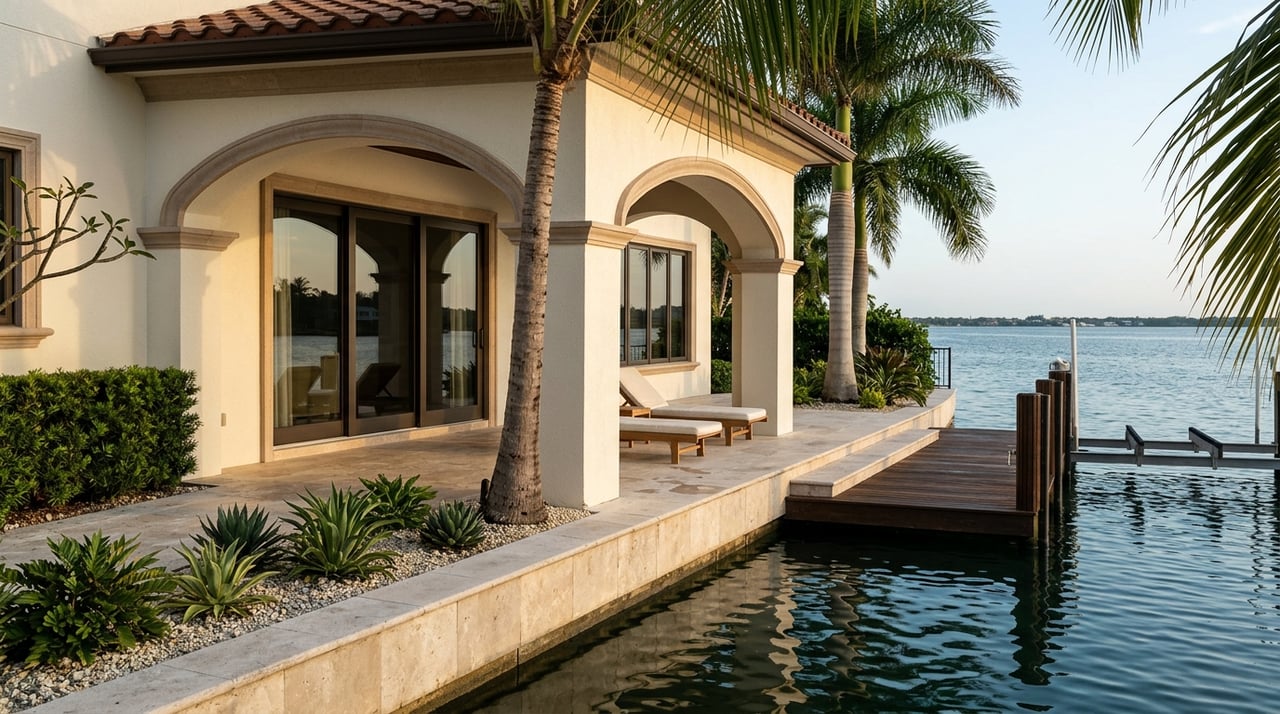
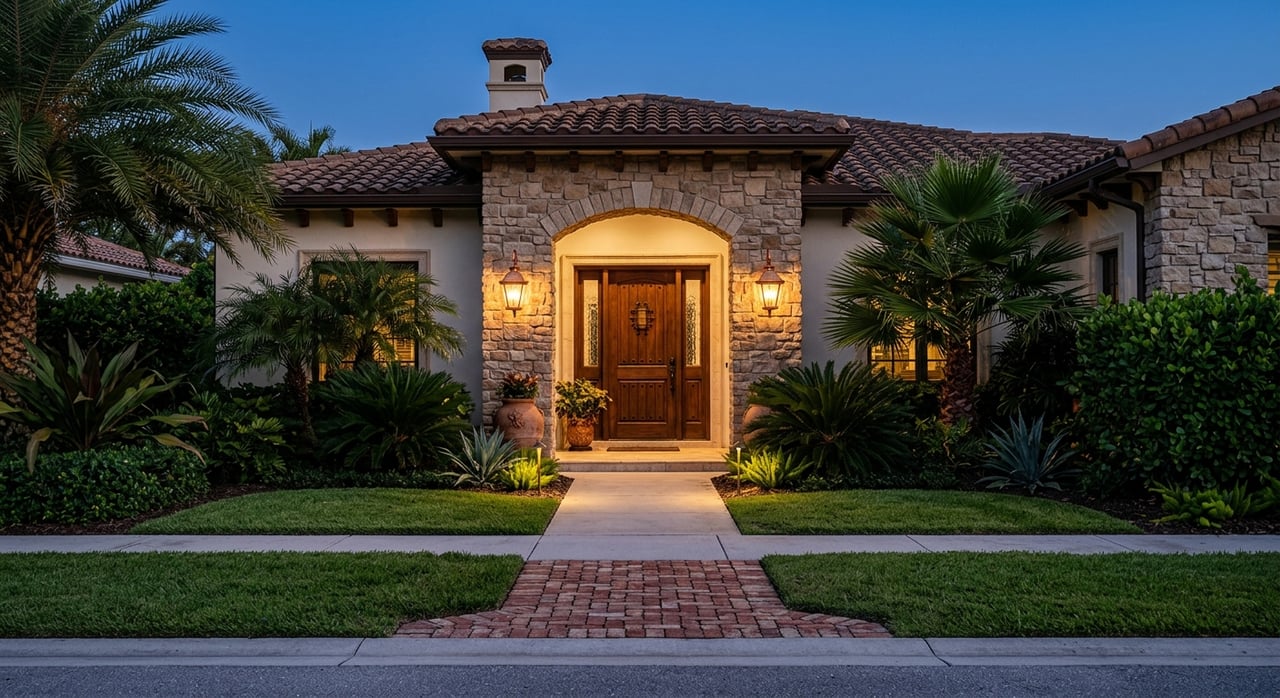
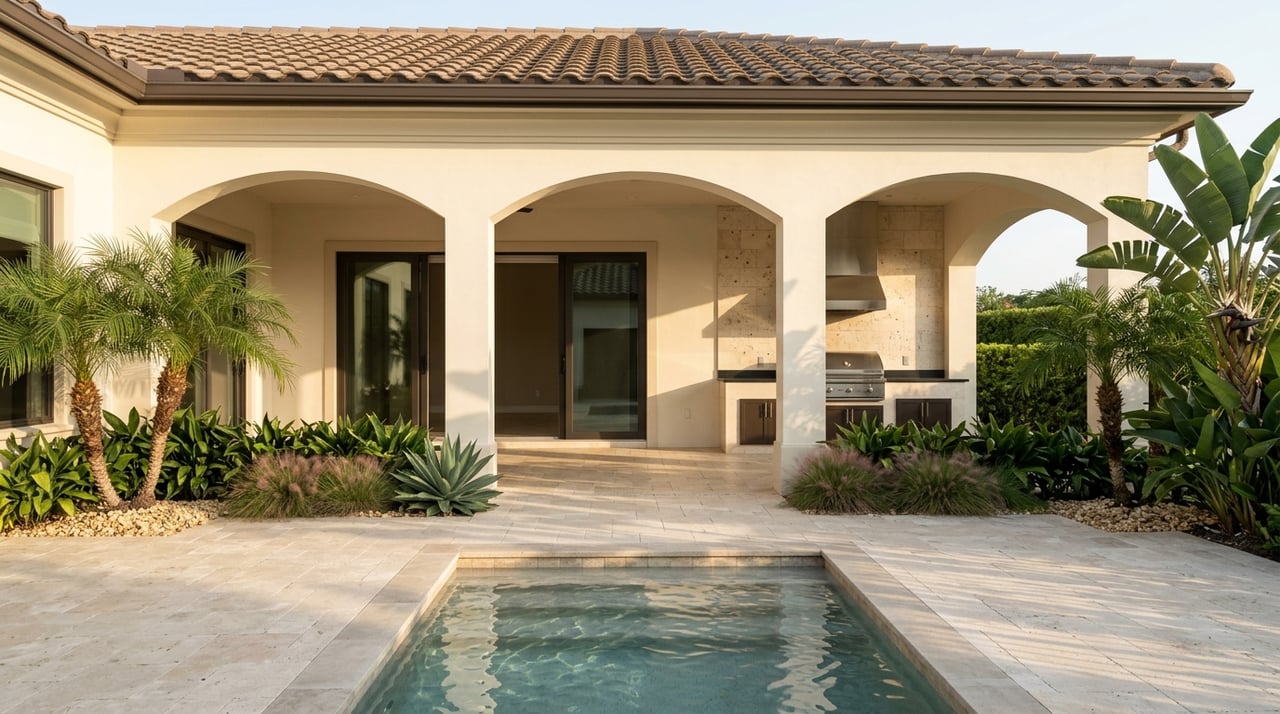
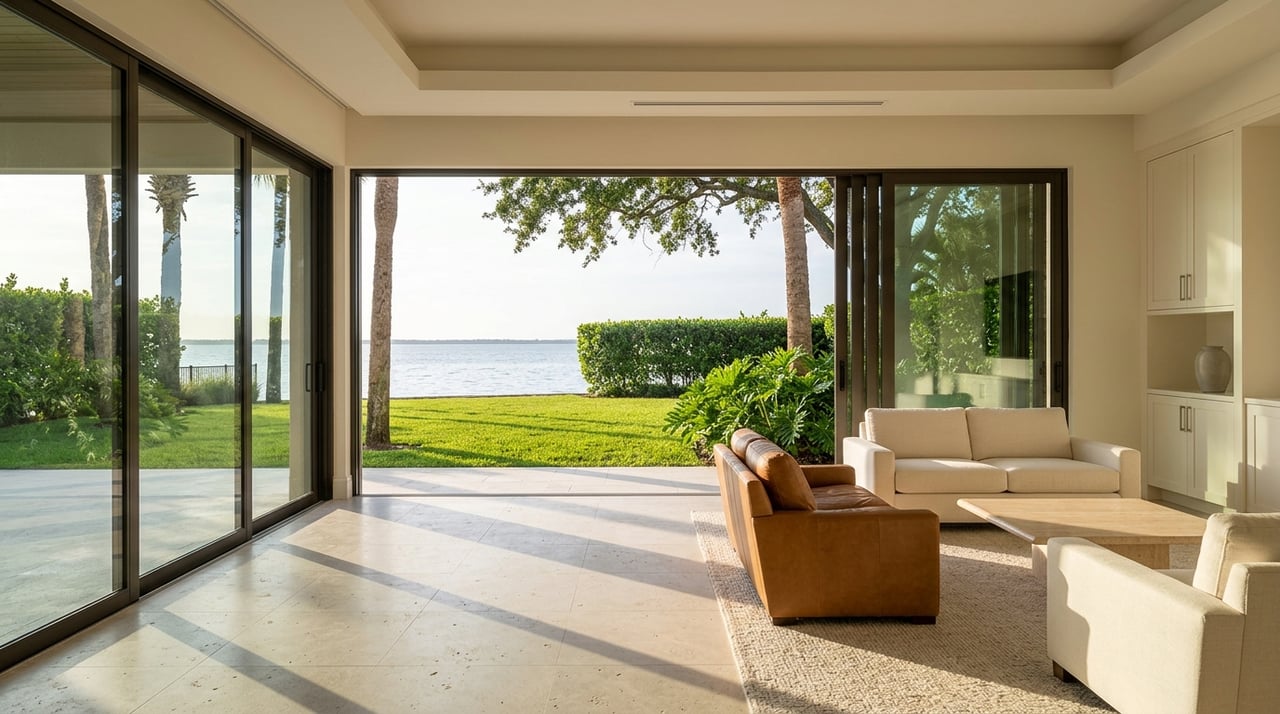
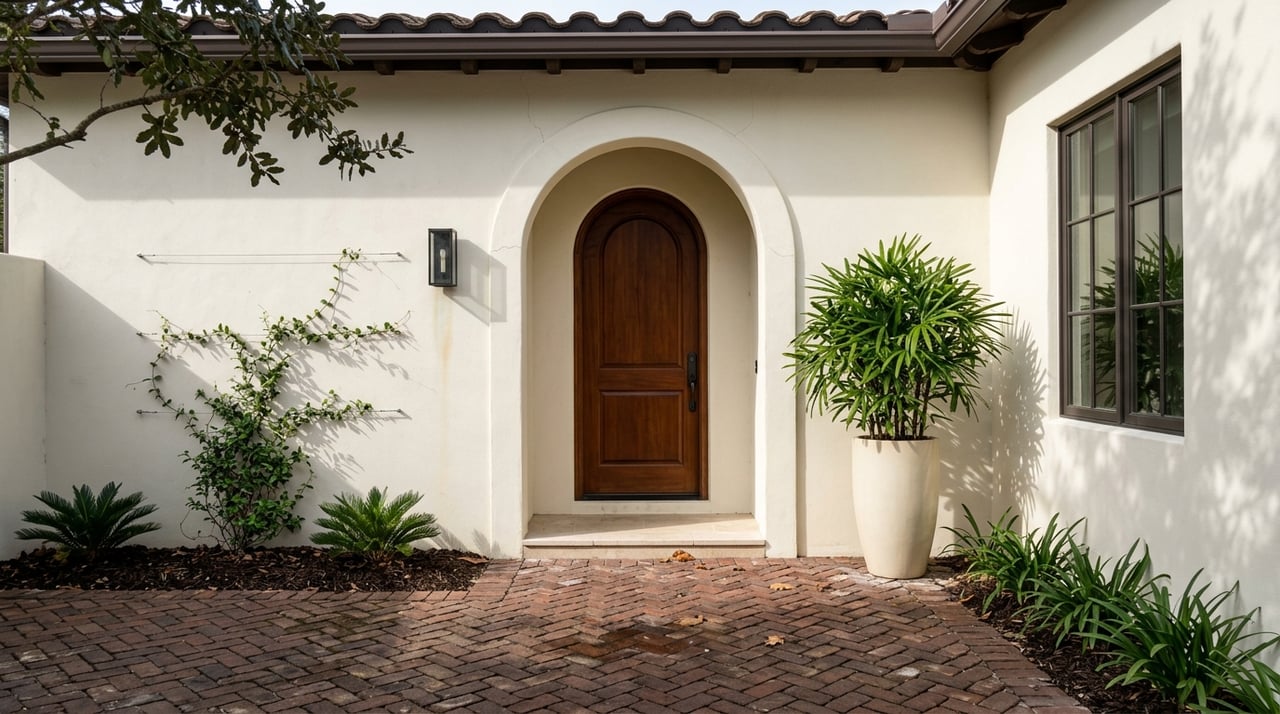
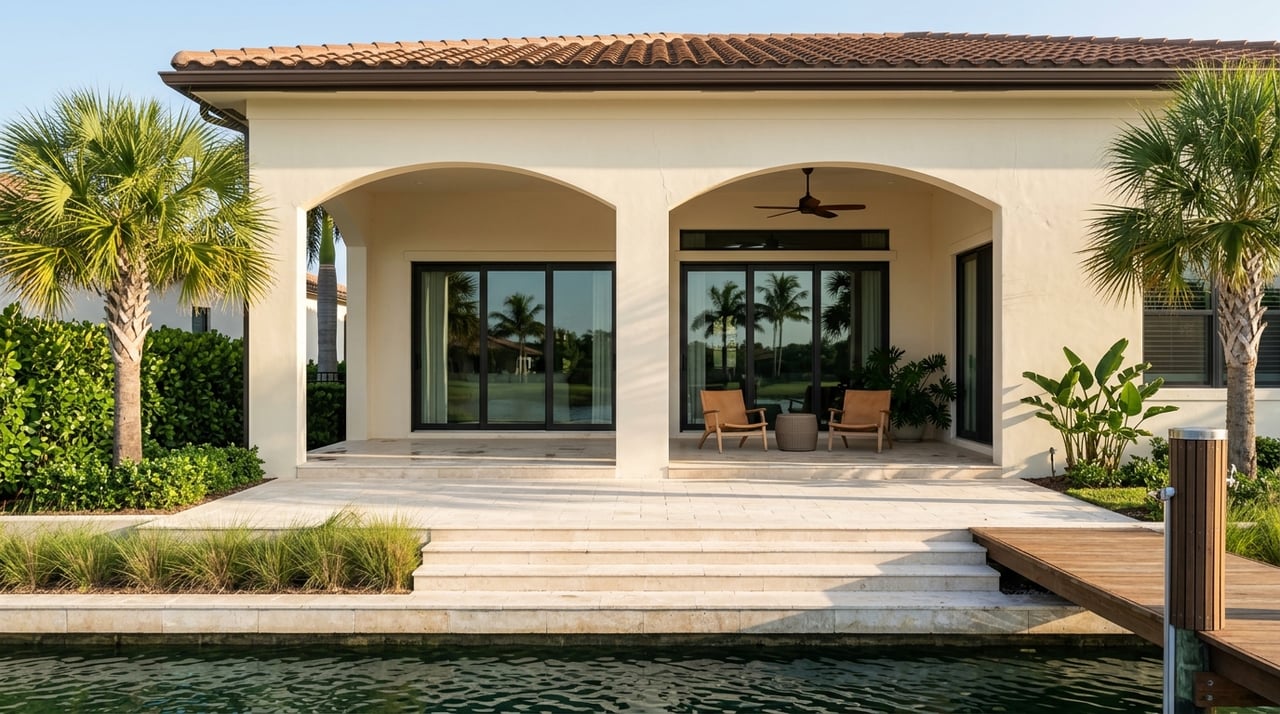
Winter Park's architecture reads like a timeline of Florida's best design eras, and that variety is a large part of the city's appeal. During the boom between 1904 and 1930, the city developed the visual identity it still carries today, and more than 700 structures are formally recognized as historic. In neighborhoods like Hannibal Square and College Place, Craftsman bungalows dominate, with their one to one-and-a-half-story layouts, exposed rafters, heart-pine floors, and deep front porches. Alongside them sit formal Colonial Revivals and Mediterranean and Spanish Revival estates whose stucco walls, barrel-tile roofs, and arched walkways feel purpose-built for the lakefront climate.
Move east into 32792, and the character shifts to the mid-century era. Neighborhoods like Winter Park Pines are full of 1950s and 1960s ranch homes with low-pitched roofs, wide footprints, and generous lots, which is exactly what makes them such attractive candidates for modern interior overhauls.
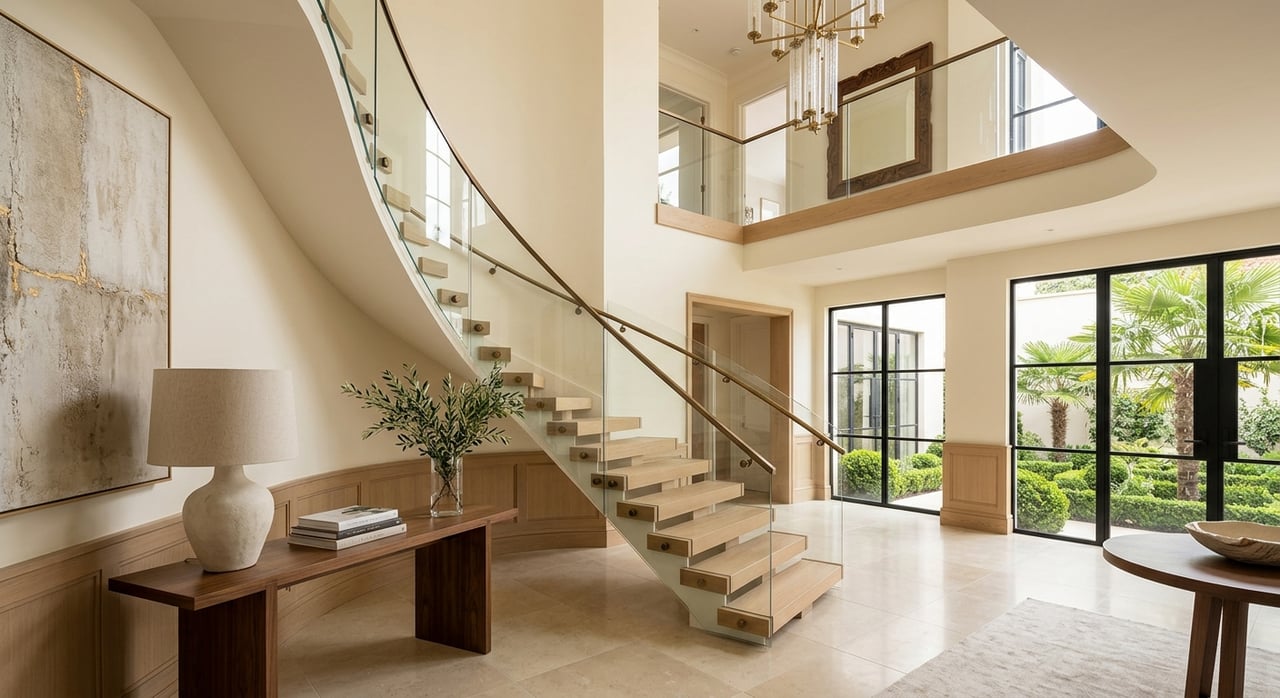
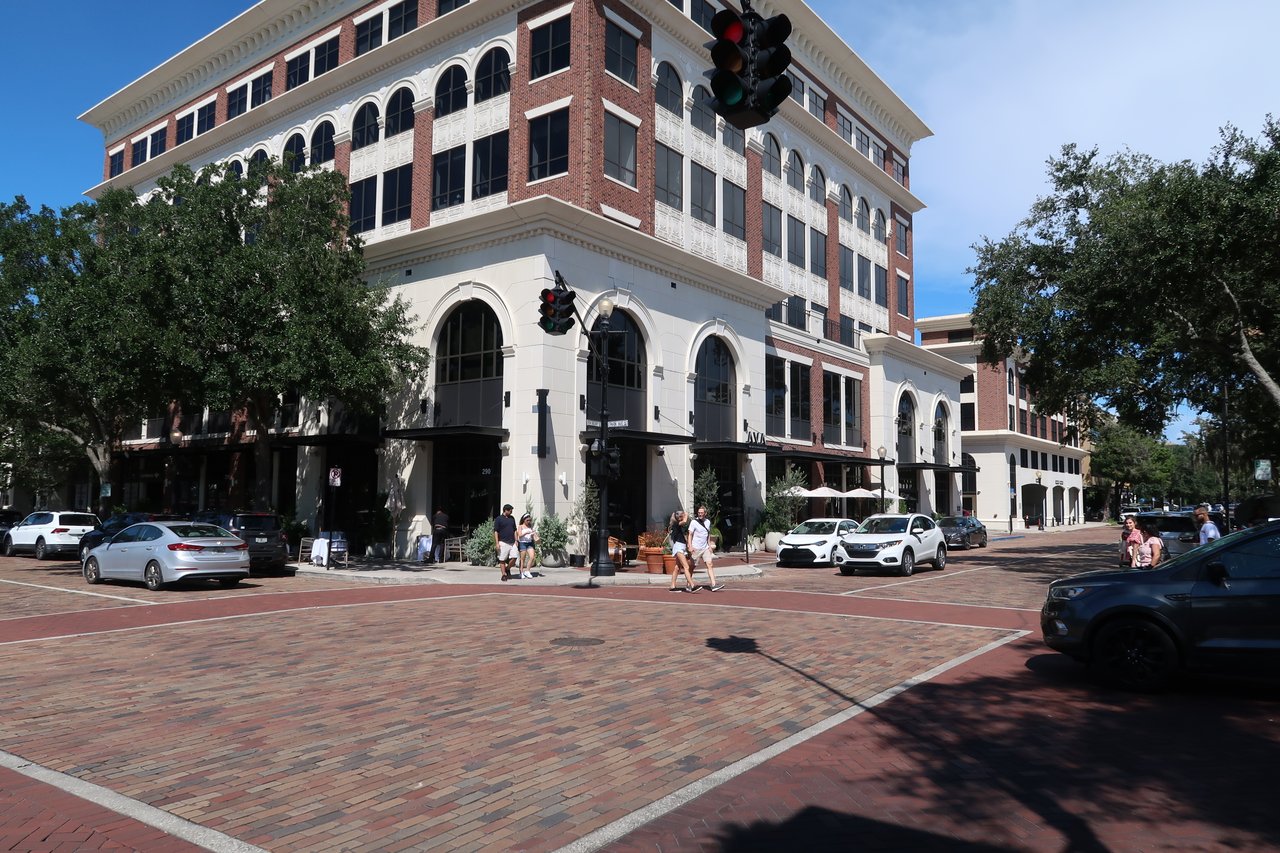
Back in the 32789 core, the newest wave of construction favors a high-end transitional look built on infill lots. Think gallery-white stucco exteriors paired with stark black window frames, iron railings, espresso wood floors, and dramatic ceiling heights. Near the downtown core, boutique townhomes and brownstone-inspired condos round out the picture, offering low-maintenance urban living for buyers who want to be steps from Park Avenue.
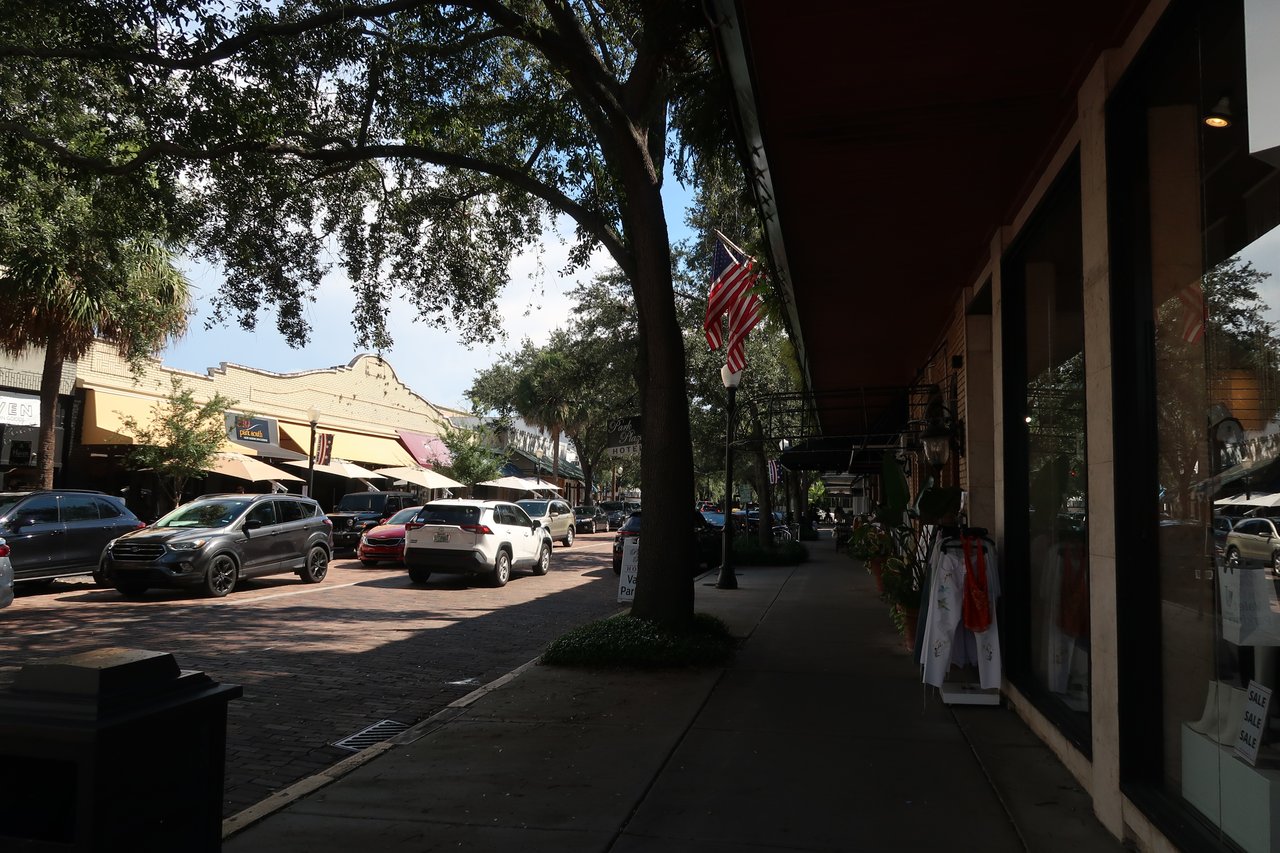
Winter Park offers a genuinely split transportation experience, and knowing which side you're buying into matters. The downtown core around Park Avenue and Central Park is one of the most pedestrian-friendly districts in all of Florida, earning Walk Scores in the 90s. Live within a few blocks of Park Avenue and your coffee, boutique shopping, acclaimed dining, and the Morse Museum are all reachable on foot beneath a canopy of mature oaks. Step outside that immediate grid or head into East Winter Park, though, and the city becomes traditionally car-dependent, with sidewalks common but errands realistically requiring a vehicle.
For commuters, Winter Park is exceptionally well-positioned. The SunRail station sits right in the center of town, offering a stress-free commuter rail option straight into Downtown Orlando and the Health Village medical and tech hubs. Driving downtown typically takes just 10 to 20 minutes via local roads or I-4, and while peak rush hours still mean navigating I-4 congestion, the Express lanes have made travel times far more predictable. Orlando International Airport sits about 12 to 15 miles south, reachable in 20 to 30 minutes off-peak, and cyclists have the scenic Cady Way Trail connecting Winter Park to neighboring Baldwin Park and the wider county trail system.
Few factors drive Winter Park's premium home values as directly as its schools, and the reputation is well earned. On the public side, within Orange County Public Schools, Winter Park High School stands as one of Central Florida's most prestigious traditional high schools, known statewide for its rigorous International Baccalaureate program, a deep bench of AP courses, and a long history of competitive athletics. Feeder schools like Brookshire Elementary and Lakemont Elementary consistently rank in the state's upper tier for math and reading. A detail worth knowing for buyers focused on schools: some neighborhoods along the northern edge of the city route into Seminole County Public Schools, widely regarded as the top-performing district in the Orlando metro, through schools like Dommerich Elementary and Maitland Middle.
Families seeking private education are equally well served. Trinity Preparatory School, an Episcopal-affiliated college-prep school for grades 6 through 12, sits right on the edge of Winter Park, and Lake Highland Preparatory School nearby offers a Pre-K through 12 program known for its campus, academics, and athletics. Both rank among the strongest private schools in the country and are within a short drive of most Winter Park neighborhoods.
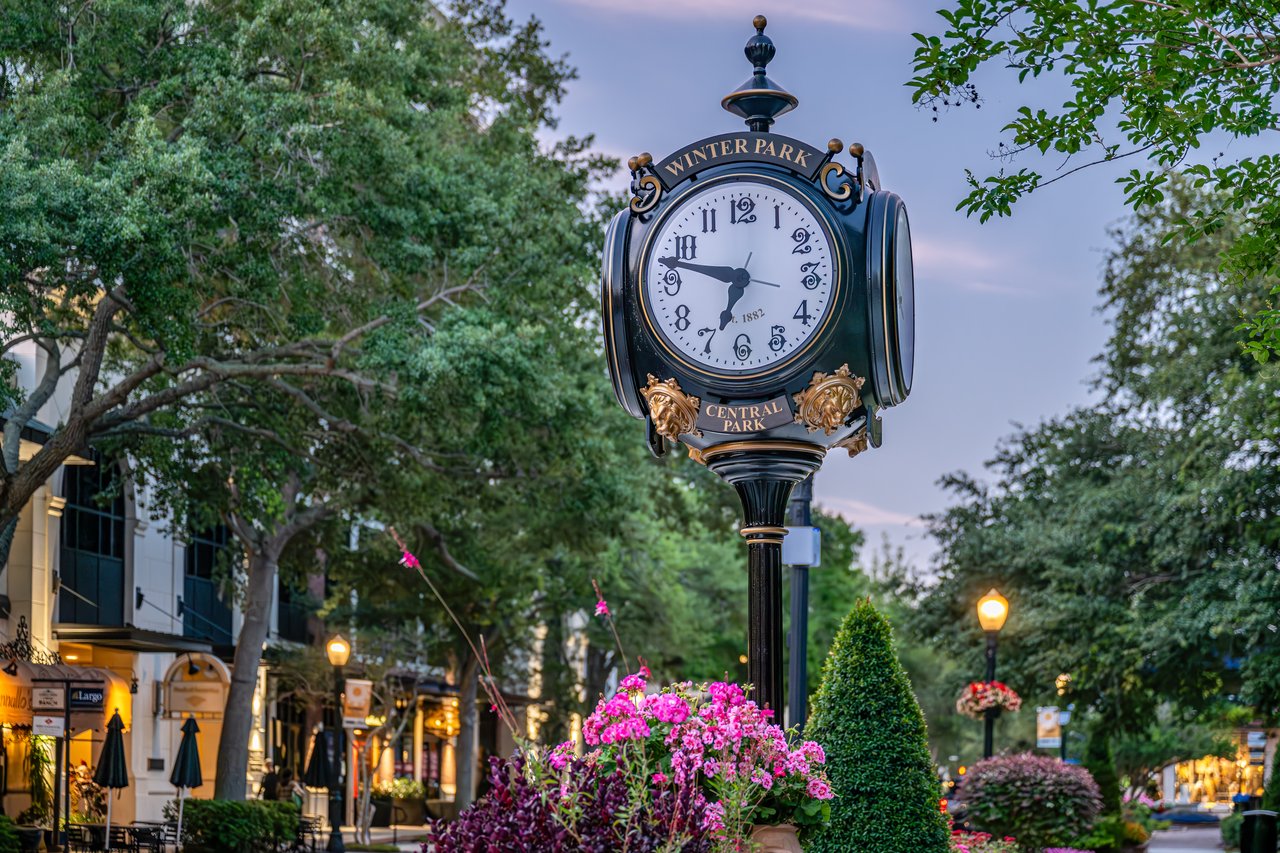
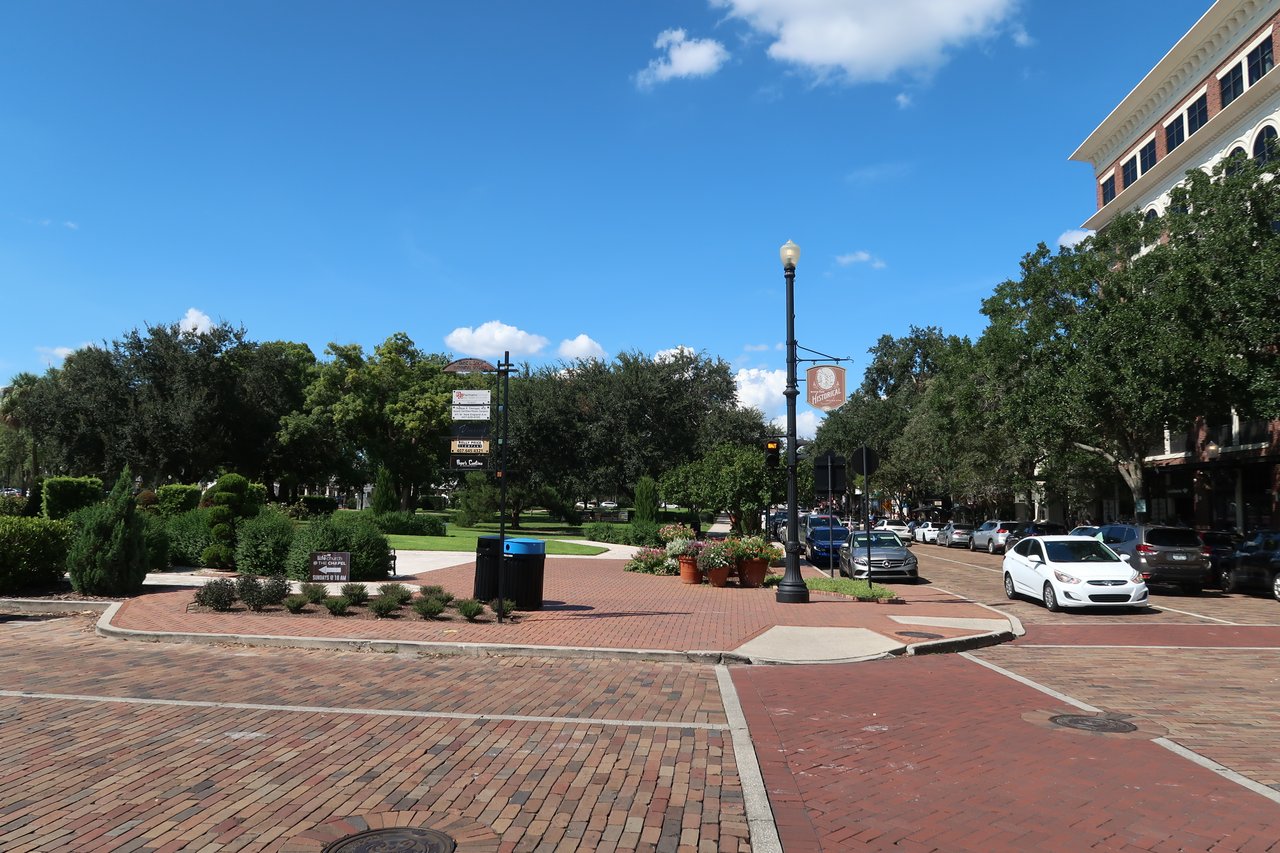
Winter Park's identity is inseparable from its green spaces, and the city maintains an unusually rich network of them. At the heart of it all is Central Park, an 11-acre stretch along Park Avenue that serves as the social center of downtown, hosting the celebrated Winter Park Sidewalk Art Festival and the Saturday morning Farmers' Market amid rose gardens and fountains. A short distance away on the shore of Lake Maitland lies the Kraft Azalea Garden, a five-acre hideaway often called the city's secret garden, known for its Corinthian exedra monument, towering cypress trees, and quiet sunset paths.
For those wanting more immersive nature, Mead Botanical Garden spreads across nearly 48 acres of formal gardens, preserved wetlands, boardwalks, and nature trails, while Howell Branch Preserve offers over ten acres of undeveloped wetland for a genuine escape. Active households are well covered too. Ward Park spans more than 66 acres of ball fields and a track stadium, adjacent Cady Way Park adds tennis and pickleball courts along with the trailhead for the Cady Way Trail, and Lake Baldwin Park is the city's beloved off-leash dog park. And for buyers drawn to the water, Dinky Dock Park next to Rollins College provides a public boat ramp and fishing pier with direct access to the coveted Winter Park Chain of Lakes.
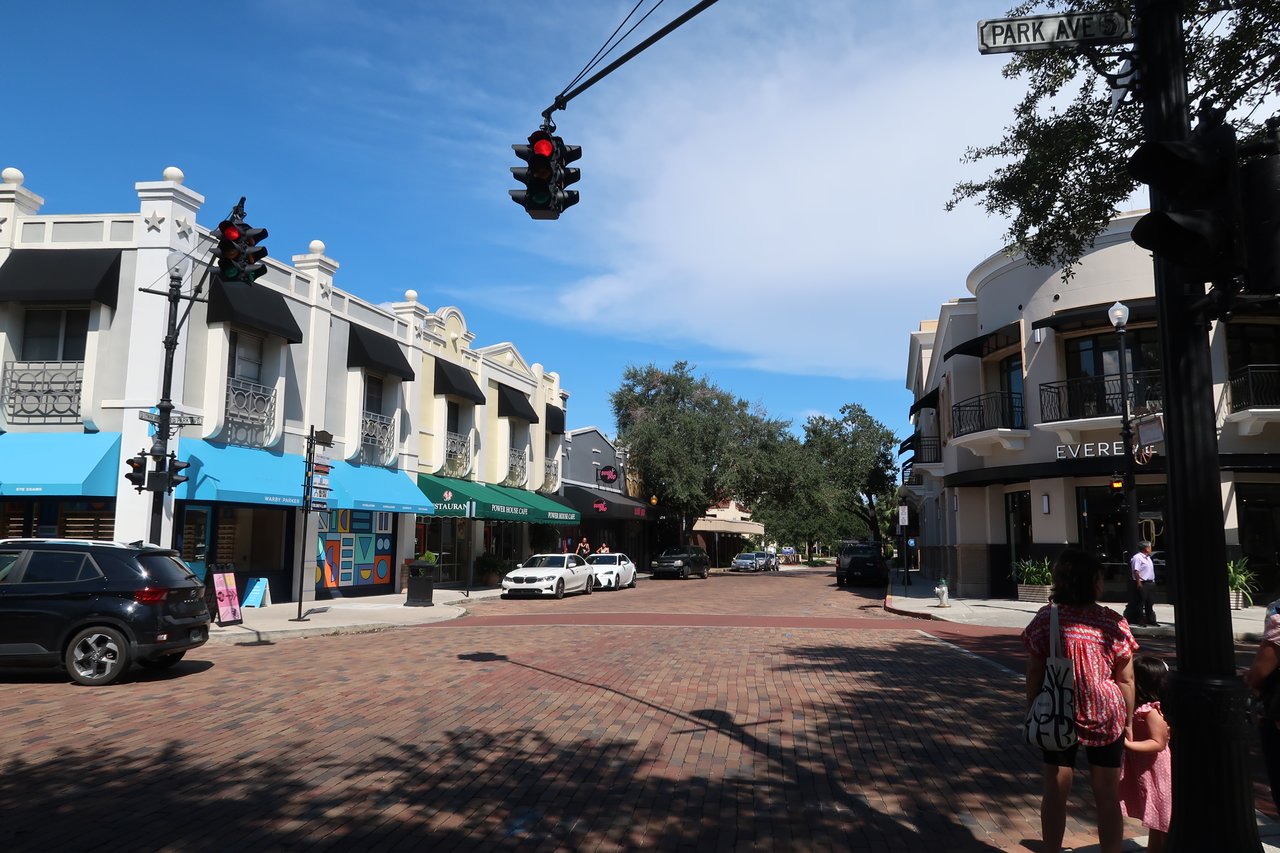
Winter Park has quietly become the culinary capital of Central Florida, offering a refined food scene without the noise of downtown Orlando or the theme-park corridor. The heart of it runs along the brick streets of Park Avenue, home to iconic establishments like Prato, celebrated for its modern Italian cooking and wood-fired pizzas, and The Ravenous Pig, a pioneering gastropub with its own brewery and a spacious beer garden. The area carries an impressive concentration of culinary recognition, with high-end concepts like Chuan Lu Garden drawing serious food lovers, and neighboring Mills 50 and Audubon Park feeding into the same demanding palate. Just west of Park Avenue, the historic Hannibal Square district offers a more intimate enclave of French bistros, wine bars, and cozy patios.
Nightlife here trends early, upscale, and conversational rather than loud. You won't find multi-level nightclubs, but you will find hidden speakeasies, elegant wine bars where patrons linger on oak-shaded patios, and sophisticated craft breweries and hotel lounges. The bar at The Alfond Inn stands out as a genuine social hub, drawing locals, live-music fans, and art collectors alike. It's an evening scene built for people who value atmosphere and quality over volume.
Understanding property taxes in Winter Park is essential before you buy, because Florida's system treats new buyers very differently from long-time residents. The city itself maintains one of the lowest municipal millage rates of any major city in Orange County, hovering around 4.09 to 4.31 mills. Once you combine that with county levies, Orange County Public Schools, and water management districts, the total combined rate lands in the high-16s to mid-18 mills range, or roughly 1.6% to 1.8% of a home's assessed value.
The single most important thing to understand is the reset. Under Florida law, when a property changes hands, its assessed value resets to current market value the following January. This means you should never estimate your future tax bill from a current seller's listing, because a longtime owner may be paying artificially low taxes. As a new buyer, plan for your first full year of property taxes to run roughly 1.4% to 1.6% of your actual purchase price.
The good news arrives once the home becomes your permanent primary residence. You then unlock two powerful protections: the Homestead Exemption, which deducts roughly $50,000 from your assessed value, and the Save Our Homes cap, which limits future annual increases in your assessed value to 3% or the rate of inflation, whichever is lower. That cap is also portable, so if you move to another Florida home later, you can carry a portion of those savings with you.
Winter Park rewards buyers and sellers who understand its nuances, and that's exactly where working with the right advisor makes the difference. Bent Danholm, broker and owner of the Danholm Collection, is an Orlando-based luxury real estate advisor and marketing strategist specializing in high-end homes throughout Central Florida, including Winter Park, Windermere, Isleworth, Lake Nona, and Golden Oak at Walt Disney World. His approach centers on target marketing, identifying the most probable buyer for a property and positioning the home to reach that audience directly, which helps sellers maintain leverage in negotiations while helping buyers uncover opportunities, including off-market properties, that others overlook. Recently named a Top Luxury Real Estate Leader by Modern Luxury Miami and featured by outlets including James Edition and DailyMail.com, Bent brings a global perspective shaped by decades of work across Denmark, France, the United Kingdom, and the United States, along with a reputation for direct, honest guidance focused on long-term outcomes rather than quick transactions.
Whether you're weighing a move into Winter Park's historic core, exploring the more accessible east side, or preparing to list a home and want it positioned to attract the right buyer, a private consultation is the place to start. You can reach Bent Danholm directly at (407) 288-0704 or [email protected], or learn more at danholmcollection.com.
There's plenty to do around Winter Park, including shopping, dining, nightlife, parks, and more. Data provided by Walk Score and Yelp.
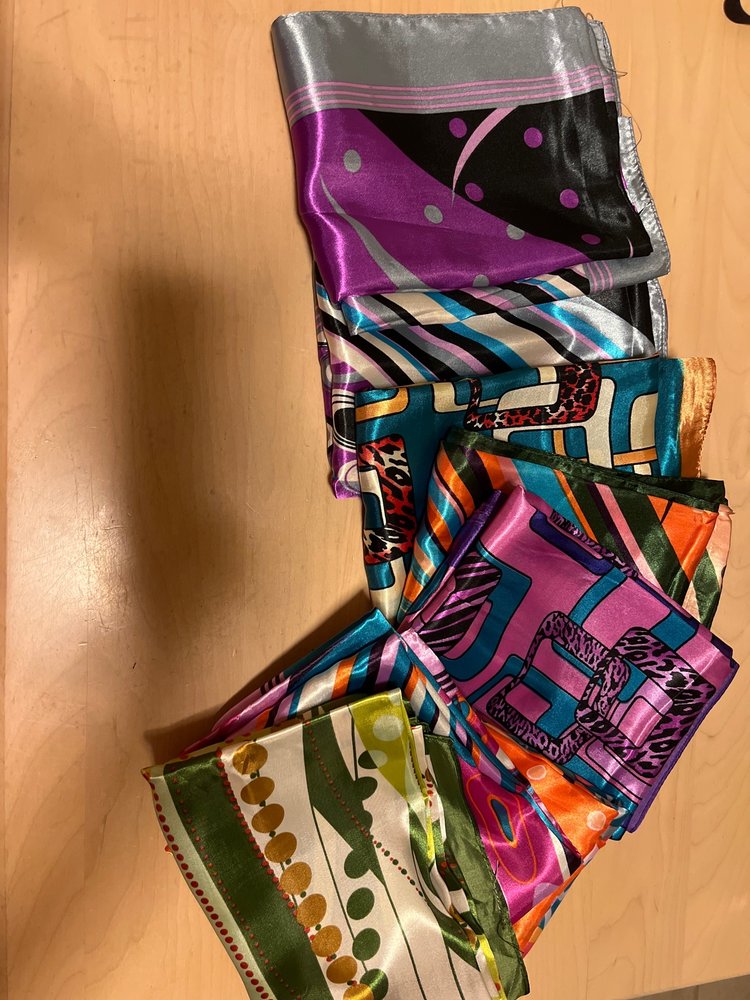
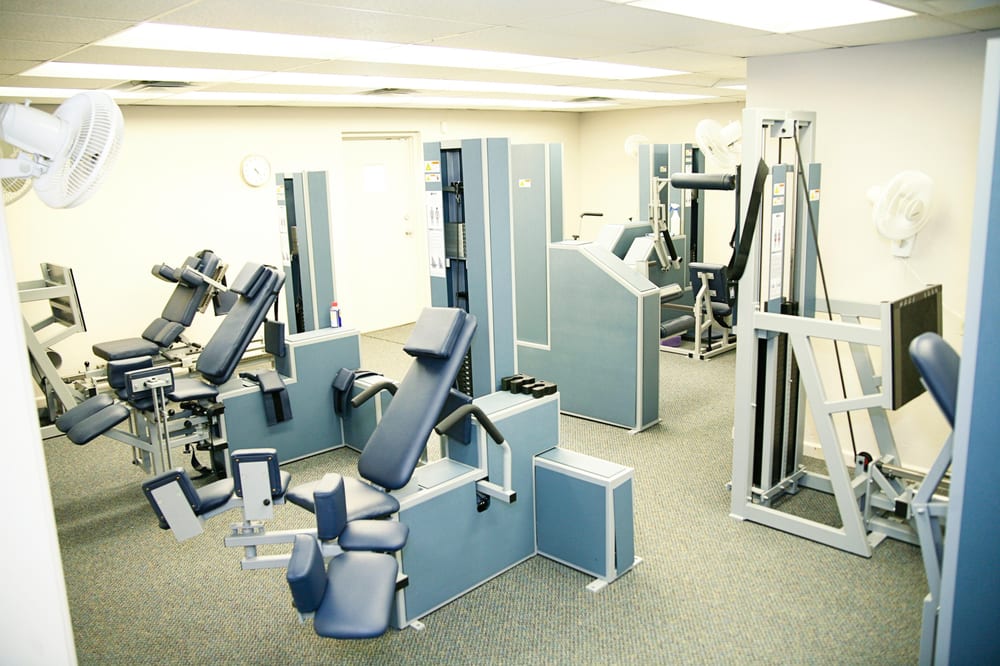
Explore popular things to do in the area, including Heartsong Cookies, Bob's Nutrition Plus, and Sayyed Scarf International.
| Name | Category | Distance | Reviews |
Ratings by
Yelp
|
|---|---|---|---|---|
| Dining · $ | 4.25 miles | 15 reviews | 5/5 stars | |
| Dining | 1.27 miles | 7 reviews | 5/5 stars | |
| Shopping | 4.13 miles | 9 reviews | 5/5 stars | |
| Active | 2.81 miles | 5 reviews | 5/5 stars | |
| Active | 4.43 miles | 30 reviews | 5/5 stars | |
| Beauty | 4.08 miles | 7 reviews | 5/5 stars | |
| Beauty | 4.33 miles | 10 reviews | 5/5 stars | |
| Beauty | 3.89 miles | 7 reviews | 5/5 stars | |
| Beauty | 4.27 miles | 7 reviews | 5/5 stars | |
| Beauty | 1.43 miles | 7 reviews | 5/5 stars | |
| Beauty | 3.21 miles | 5 reviews | 5/5 stars | |
|
|
||||
|
|
||||
|
|
||||
|
|
||||
|
|
||||
|
|
Winter Park has 33,976 households, with an average household size of 4.47. Data provided by the U.S. Census Bureau. Here’s what the people living in Winter Park do for work — and how long it takes them to get there. Data provided by the U.S. Census Bureau. 79,678 people call Winter Park home. The population density is 4,050 and the largest age group is Data provided by the U.S. Census Bureau.
Total Population
Population Density Population Density This is the number of people per square mile in a neighborhood.
Median Age
Men vs Women
Population by Age Group
0-9 Years
10-17 Years
18-24 Years
25-64 Years
65-74 Years
75+ Years
Education Level
Total Households
Average Household Size
Average individual Income
Households with Children
With Children:
Without Children:
Blue vs White Collar Workers
Blue Collar:
White Collar:

2030 Lake Fischer Cove Ln Gotha, FL 34734
2030 Lake Fischer Cove Ln Gotha, FL 34734