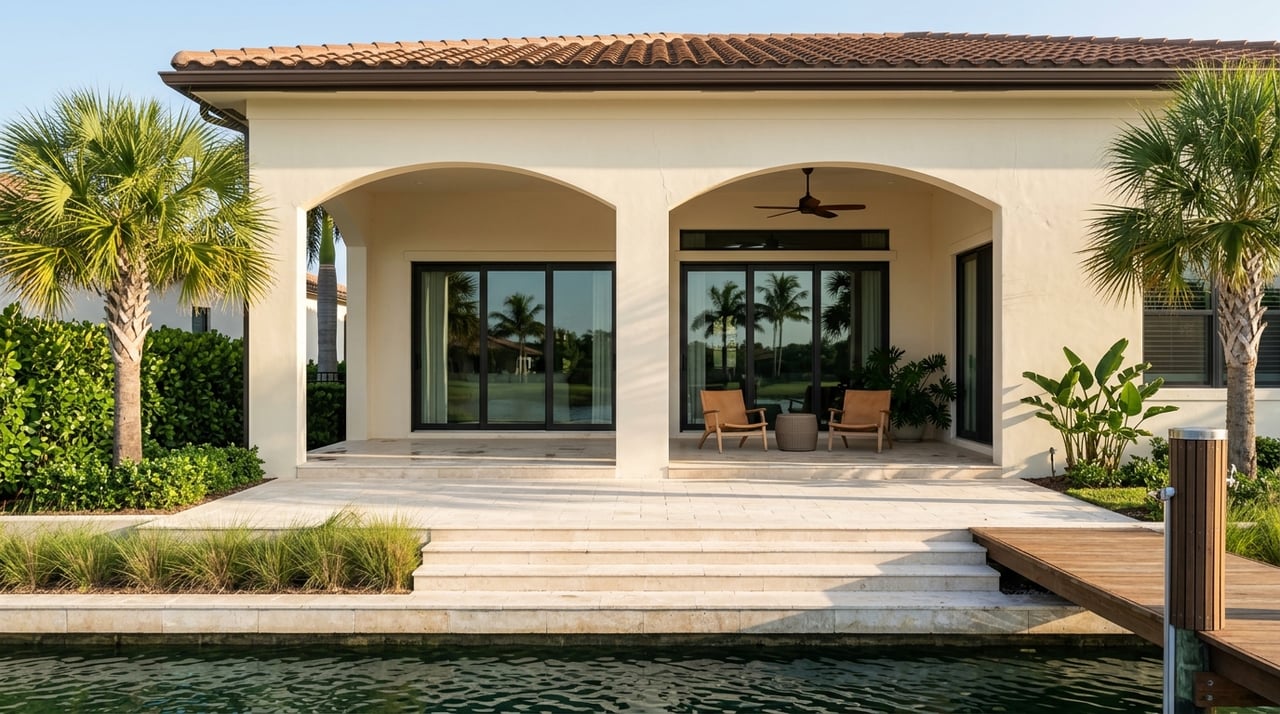
If you are drawn to waterfront living but want more than just a pretty view, Winter Park offers a rare mix of daily lake access, established homes, and a walkable downtown. Living on the lakes here is not only about being near the water. It is also about how the water connects to parks, culture, recreation, and everyday convenience. If you are considering a lakefront move in Winter Park, this guide will help you understand what the lifestyle actually feels like. Let’s dive in.
Winter Park’s lakes shape daily life
Winter Park has an unusually strong lake identity for a city of its size. According to the city, there are 19 lakes totaling 947.1 acres within city limits. That alone helps explain why waterfront living here feels woven into the city, rather than limited to a few isolated streets.
Several of these lakes are connected through the Winter Park Chain of Lakes. That connection adds a layer of lifestyle value because the water is not just scenic. It can also be part of how you spend your mornings, weekends, and time with guests.
Lake living feels both active and calm
One of the defining traits of Winter Park’s lakes is variety. The city highlights the area for boating, skiing, and fishing, with early mornings and weekdays often offering the calmest time on the water. If you enjoy an active waterfront lifestyle, that access is a major part of the appeal.
At the same time, not every lake experience here is high-energy. Lake Baldwin offers a no-motor-boat setting that is better suited to paddlecraft, sailing, and slower shoreline use. This balance is part of what makes Winter Park stand out. You can find both movement and quiet, often within the same city.
Public access supports the lifestyle
Even if you are focused on private lakefront ownership, public access still matters because it supports the broader waterfront culture. Dinky Dock on Lake Virginia gives public access to the chain, helping keep the lakes part of community life rather than hidden from it.
That civic connection gives Winter Park a more established and lived-in feel. The lakes are not treated as background scenery alone. They are part of how residents use and experience the city.
Waterfront homes feel established
Winter Park’s waterfront has a distinctive character, and much of that comes from the city’s architectural history. The city’s historic preservation overview describes an old Florida sense of place shaped by historic architecture in downtown, neighborhoods, and landmark buildings. Housing ranges from larger estates to more modest bungalow areas, with roots going back to the late 1800s and the 1920s land boom.
For you as a buyer, that often translates into a lakefront setting that feels layered and mature rather than recently built all at once. The waterfront experience here tends to feel classic. It is tied to the city’s long-standing identity, not just current demand.
Setbacks help preserve space
Another important part of the lakefront feel is planning. Winter Park requires a minimum 50-foot lakefront setback and site-plan review for lakefront construction. While that does not guarantee privacy on every property, it helps explain why many waterfront homes feel more buffered and less pushed to the edge of the lot.
In practical terms, that can contribute to a calmer visual environment. Mature landscaping, established shoreline edges, and more separation from the waterline can make the lakefront experience feel less crowded and more enduring.
Parks make the lakes more livable
Daily life on Winter Park’s lakes is shaped not just by private homes, but by the public spaces around them. The city’s parks system includes several lake-oriented destinations that give the waterfront a more open and usable character.
Kraft Azalea Garden on Lake Maitland is described by the city as a secluded public garden. It offers a peaceful shoreline setting that many residents value for quiet walks and time outdoors. Lake Baldwin Park adds a shoreline park with a non-gas boat ramp, dock, and picnic facilities, which supports a slower-paced lake experience.
These public spaces matter because they make waterfront living feel broader than your property line. They add places to reset, gather, and enjoy the setting in different ways.
Downtown stays close to the water
A major reason Winter Park lake living appeals to so many buyers is convenience. You can enjoy a more private residential setting while staying close to the city’s most active shopping and dining areas. That combination is not always easy to find in waterfront markets.
Park Avenue is the center of Winter Park’s downtown identity. The Chamber describes it as the heart of Winter Park shopping, with boutiques, restaurants, and historic charm in a walkable setting. For you, that means dinners out, coffee stops, errands, and casual strolling can all remain part of daily life without losing the appeal of a lakefront address.
Nearby districts add flexibility
The lifestyle expands beyond Park Avenue. The Chamber also highlights Hannibal Square and Winter Park Village as part of the city’s broader shopping and dining landscape. Hannibal Square offers a quieter retail pocket, while Winter Park Village brings an open-air mix of shops, restaurants, fitness, and a movie theater.
This is one of the strongest arguments for living on Winter Park’s lakes. You are not choosing between privacy and convenience. In many cases, you can have both.
Culture adds depth to the lifestyle
Lakefront living in Winter Park often appeals to buyers who want more than recreation alone. The city has a strong arts and culture presence, and that gives the area a sense of rhythm beyond boating and weekend entertaining.
The city’s arts and culture directory includes destinations such as the Albin Polasek Museum & Sculpture Gardens, the Winter Park History Museum, the Bach Festival Society, the Annie Russell Theatre, and the Rollins Museum of Art. Public art also extends into parks and public spaces, which helps the city feel curated and active year-round.
For many residents, that means the lakes are just one part of the experience. The broader environment supports a more complete lifestyle, with options that feel thoughtful and close to home.
The social calendar stays active
Winter Park does not feel seasonal or sleepy for long stretches. The city notes that Central Park hosts major annual gatherings, and the Chamber points to the Farmers’ Market on Saturday mornings at New York and Morse Avenues. These recurring events help downtown maintain energy throughout the year.
If you live on or near the lakes, that matters. It means your lifestyle can shift easily between quieter time at home and a more social public setting nearby. You are not limited to one mode of living.
The lakes are actively managed
An important but often overlooked part of lakefront ownership is stewardship. Winter Park’s planning materials emphasize shoreline protection, aquatic plant management, and water-quality monitoring. As the city outlines in its planning and lake-related materials, the lakes are treated as managed civic assets.
That is meaningful if you are thinking long term. It suggests the waterfront environment is not being left to chance. Instead, it is part of an ongoing city-level effort to preserve the health and use of these waters.
What buyers should keep in mind
If you are considering living on Winter Park’s lakes, it helps to view the decision through a wider lens. The value is not only in frontage or view lines. It is also in how the lakes connect to architecture, parks, downtown access, and the city’s cultural life.
That is why Winter Park often feels different from other waterfront markets in Central Florida. The setting is established, the public realm is strong, and the lake experience extends beyond the shoreline itself. For buyers who want waterfront living with more texture and long-term appeal, that combination can be compelling.
If you are exploring lakefront homes in Winter Park and want a calm, strategic perspective on value, positioning, and fit, connect with Bent Danholm. You can get clear guidance tailored to your goals, whether you are relocating, purchasing a signature residence, or narrowing your options in one of Central Florida’s most established waterfront markets.
FAQs
What is lake living like in Winter Park for everyday life?
- Winter Park lake living blends waterfront recreation with access to parks, cultural venues, and walkable shopping and dining, so your day-to-day experience often extends well beyond the water itself.
What kinds of recreation are available on Winter Park’s lakes?
- The city supports boating, skiing, and fishing on parts of the lake system, while quieter settings like Lake Baldwin are better suited to paddlecraft, sailing, and slower shoreline use.
What makes Winter Park lake homes feel distinctive?
- Winter Park lake homes often feel distinctive because of the city’s historic architecture, established neighborhoods, mature public spaces, and lakefront planning rules such as the 50-foot setback requirement.
How close are Winter Park lakes to shopping and dining?
- Many lakefront areas are close to Park Avenue, Hannibal Square, and Winter Park Village, where boutiques, restaurants, and everyday conveniences are concentrated.
Why should buyers pay attention to lake management in Winter Park?
- Lake management matters because the city emphasizes shoreline protection, aquatic plant management, and water-quality monitoring, which supports the long-term health and usability of the waterfront environment.
