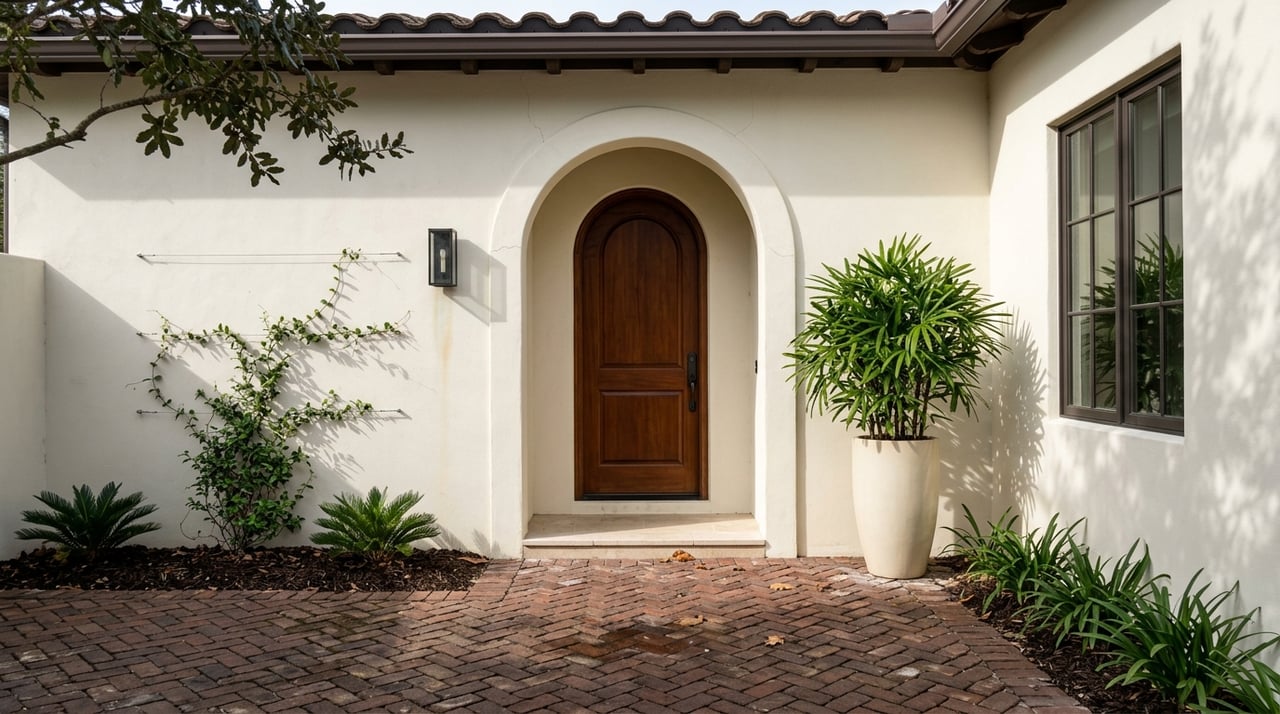
If you have your eye on a historic home in Winter Park, you already know the appeal is hard to match. Original details, established streetscapes, and true architectural character can make these properties feel one of a kind. The challenge is that competition is not just about price. It is also about preparation, timing, and knowing exactly what you are buying before you write an offer. Let’s dive in.
Why Winter Park historic homes are different
Winter Park’s historic homes are a limited part of the local housing supply. According to the city, more than 700 historic structures have been recorded, representing about 7% of residential dwellings. That means homes with authentic historic character are constrained from the start, even before you narrow your search by style, size, or location.
The city’s historic resources include late-1800s grove houses, winter cottages, Park Avenue buildings built before 1950, and neighborhoods influenced by the 1920s Florida land boom. In practical terms, you are shopping in a market segment where supply is naturally tight. That scarcity is one reason buyers need a clear strategy before the right home appears.
Winter Park’s broader resale market remains active as well. Over the three months ending April 2026, Redfin reported a median sale price of $750,000, about one offer on average, and roughly 36 days on market. Those numbers reflect the city overall, not historic homes only, but they still support one key point: serious buyers benefit from being ready early.
Know the type of historic status
Not every historic home in Winter Park is regulated in the same way. Some properties are tied to National Register districts such as the Downtown Winter Park Historic District or the Interlachen Avenue Historic District. Others may be locally designated or located within local historic districts such as the College Quarter Historic District or Virginia Heights East Historic District.
That difference matters because the rules that affect future changes often come from local designation, not simply from historic recognition in a broad sense. If you plan to update, expand, or significantly alter the property, you need to confirm the exact status before you decide how aggressive to be on price.
Understand what the city reviews
Winter Park manages preservation through its Historic Preservation Division and Historic Preservation Board. The city says its ordinance is designed to protect historic character, prevent incompatible exterior changes, and set standards for designating buildings, districts, and neighborhoods as historic. In general, a property must be at least 50 years old and have architectural, aesthetic, or historical value to qualify.
For locally designated properties and properties in historic districts, the city’s certificate-of-review process applies to exterior alterations, additions, relocation, new construction, demolition, and other work affecting the designated property. Applications may require materials such as photographs, elevations, site plans, floor plans, and material samples. That means your renovation ideas should be evaluated with the city’s process in mind, not just your contractor’s opinion.
There is one point that often gives buyers peace of mind. Interior remodeling is not reviewed by the historic board. If your plans focus mostly on interior layout, finishes, or systems, the review burden may look very different than if you want to alter the exterior or add square footage.
National Register does not mean no changes
Many buyers assume a historic label automatically means they cannot touch the house. That is not accurate. The National Park Service states that National Register listing does not place federal restrictions on what a non-federal owner may do with private property.
In Winter Park, the more important issue is local regulation. If the property is locally designated or sits within a local historic district, city review is what most directly affects exterior work. So when you are comparing properties, focus less on the plaque and more on whether local review applies.
Build your offer around your real plans
The smartest offer strategy starts with honesty about what you want to do after closing. If you want a move-in-ready home and expect minimal exterior work, your due diligence may be fairly straightforward. If you plan to add onto the house, change the facade, move structures, or pursue a teardown-and-rebuild approach, you need to factor approvals and design limits into the purchase itself.
That is especially important in a market where well-preserved historic homes are limited. Buyers sometimes let emotion push them into a price that only works if future changes are easy to achieve. In Winter Park, that assumption can create risk.
A more disciplined approach is to confirm key facts before finalizing your offer strategy:
- Whether the property is locally designated
- Whether it is inside a historic district
- Whether prior exterior work received approval
- Whether your planned changes are likely to fit the property’s scale and character requirements
- Whether timing for review could affect your renovation schedule
When you compete with this level of clarity, you are in a better position to move decisively without guessing.
Ask for the right documents early
Historic purchases reward careful documentation. Before negotiations get serious, ask for any prior certificates of review, permits, surveys, or design approvals tied to the property. In Winter Park, exterior review can involve substantial documentation, so existing records can tell you a great deal about what has already been approved and how the property has been handled over time.
This step can also help you avoid surprises after closing. If a past addition, exterior change, or site feature matters to your plans, you want to know as early as possible whether the paperwork supports it.
Balance charm with renovation reality
Part of the appeal of a historic Winter Park home is the detail you cannot easily recreate. The city highlights features such as heart pine floors, fixtures, cypress paneling, and built-ins as important elements buyers often value. These details can add warmth and identity that newer homes may not offer.
At the same time, historic ownership usually involves tradeoffs. Winter Park notes that additions are generally better placed on secondary facades and should remain in scale and character with the original architecture. For new construction in a historic district, the city says the home does not have to copy historic architecture exactly, but it should complement the district’s height, materials, roof form, massing, setback, and rhythm of openings.
That means the real question is not whether change is possible. The question is whether your version of change is likely to align with the city’s expectations. Buyers who understand that distinction tend to make stronger decisions and cleaner offers.
Keep taxes and incentives in perspective
Historic designation does not automatically mean a higher tax bill. Winter Park says historic designation is not a factor when setting property valuations. That can help correct a common assumption that buying a historic home automatically brings a tax penalty.
If the property will be your primary residence, Orange County’s homestead exemption can reduce taxable value by up to $50,000. When you compare carrying costs, it is wise to estimate taxes based on your likely post-close use rather than the seller’s current bill.
Winter Park also offers a local historic-property tax exemption for qualified restoration, renovation, or rehabilitation improvements. According to the city ordinance, it applies only to city taxes and can last 10 years if approved and maintained. The city also maintains preservation rehabilitation and service-line undergrounding grant programs.
These programs can help offset part of the renovation burden, but they should not replace careful budgeting. Approval timing, design constraints, and project scope still matter.
A confident strategy wins more than emotion
In Winter Park, competing for a historic home is rarely about being the loudest buyer in the room. It is more often about being the most prepared. When supply is limited and the rules can vary by designation, confidence comes from understanding the property, the review framework, and the true cost of your plans.
That is where advisory-led guidance makes a real difference. A thoughtful strategy can help you separate homes that simply look appealing from homes that genuinely fit your goals, budget, and timeline. In a market like Winter Park, that discipline protects both your lifestyle and your leverage.
If you are considering a historic home in Winter Park and want a clear, strategic approach before you compete, connect with Bent Danholm for a private consultation.
FAQs
What makes Winter Park historic homes competitive for buyers?
- Winter Park’s historic housing stock is limited, with the city recording more than 700 historic structures that make up about 7% of residential dwellings, so buyers are often competing for a relatively small pool of properties with authentic character.
What should buyers verify before offering on a historic home in Winter Park?
- You should confirm whether the property is locally designated or located in a historic district, especially if you plan exterior changes, additions, or site modifications.
What exterior work on a Winter Park historic property may need city review?
- For locally designated properties and properties in historic districts, Winter Park’s certificate-of-review process can apply to exterior alterations, additions, relocation, new construction, demolition, and other work affecting the designated property.
What interior changes can buyers make to a historic home in Winter Park?
- Winter Park states that interior remodeling is not reviewed by the historic board.
What does National Register status mean for a Winter Park homeowner?
- National Register listing alone does not place federal restrictions on what a non-federal owner may do with private property, but Winter Park’s local rules may still govern exterior work if local designation or district rules apply.
What tax benefits may apply when buying a historic home in Winter Park?
- If the home will be your primary residence, Orange County’s homestead exemption may reduce taxable value by up to $50,000, and Winter Park also offers a local historic-property tax exemption for qualified improvements if approved.
What documents should buyers request for a Winter Park historic home?
- Ask for prior certificates of review, permits, surveys, and design approvals so you can better understand what has been approved and how the property has been modified over time.
