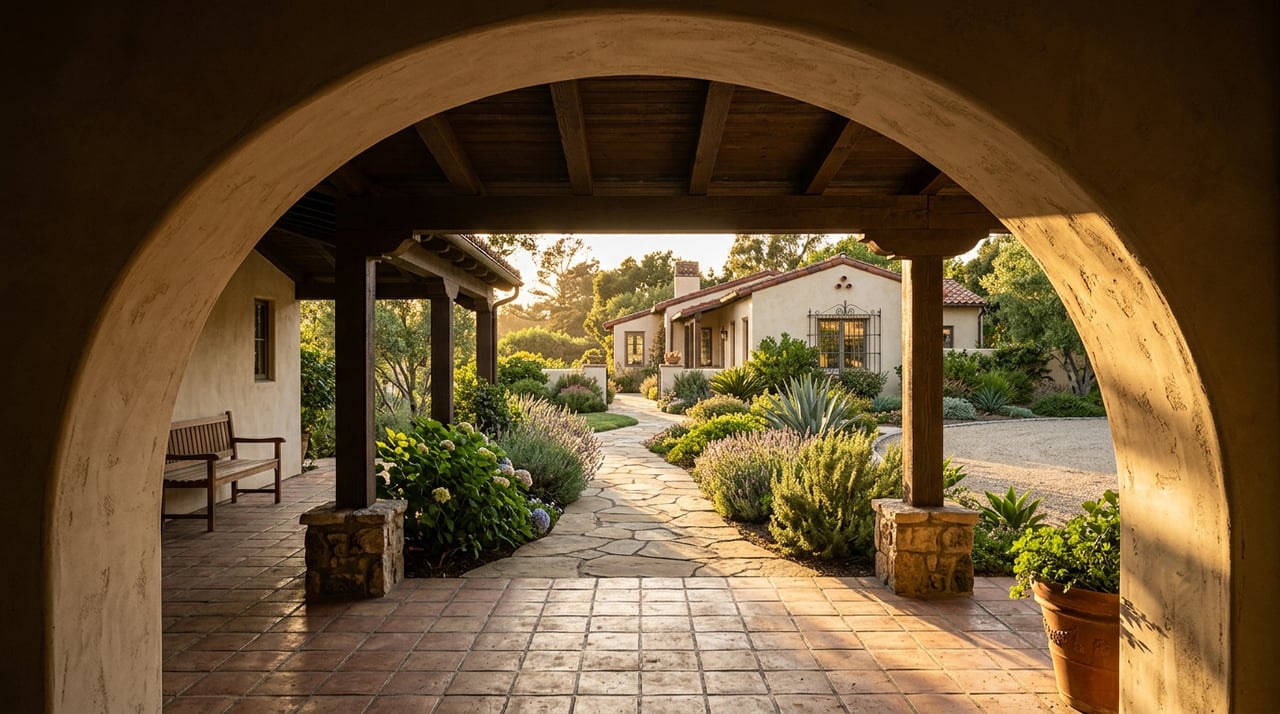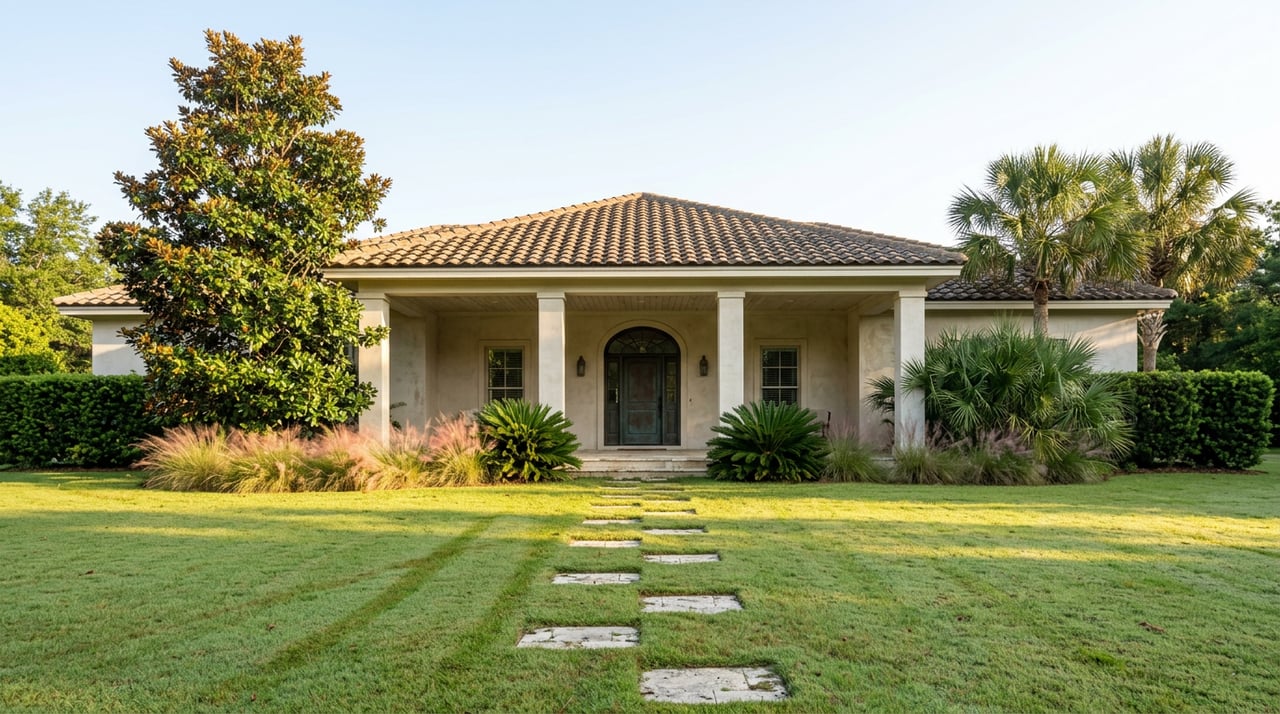
93,064 people live in Winter Garden, where the median age is 37.4 and the average individual income is $48,999. Data provided by the U.S. Census Bureau.
Total Population
Median Age
Population Density
Average individual Income
Winter Garden is one of Central Florida's most sought-after communities, and it has earned that reputation honestly. Situated just west of Orlando along the State Road 429 corridor, Winter Garden blends the character of a historic downtown with the polish of one of Florida's most ambitious master-planned expansions. It is the kind of place where you can bike to a farmers market on a Saturday morning, walk to a craft brewery at night, and still be at Walt Disney World in under 15 minutes.
What draws people here — and keeps them — is the rare combination of lifestyle, schools, and location. The historic Plant Street corridor gives the city a genuine sense of place that newer suburbs simply cannot replicate. At the same time, the Horizon West expansion to the south has introduced some of the most thoughtfully designed master-planned communities in the entire Orlando metro, complete with top-rated schools, lakeside town centers, and modern amenities built into the neighborhoods themselves.
Families relocating from out of state consistently rank Winter Garden near the top of their list because it delivers on nearly every front: strong public schools, low crime relative to the broader metro, a walkable downtown, and access to major employment corridors. The trade-off is price. This is a premium market, and buyers should approach it with that expectation.
The Winter Garden housing market has matured out of the frenzied seller's market of recent years into something more balanced — and honestly, more sustainable. Buyers have breathing room again. Sellers still benefit from resilient demand. But the days of waiving inspections and offering $50,000 over asking are behind us.
Here is where the market currently stands:
The market's continued resilience is not accidental. Winter Garden benefits from a structural set of demand drivers that insulate it from the softening seen in many outer-ring Orlando suburbs: top-tier school zones, proximity to Disney and the broader I-4 employment corridor, and a lifestyle offering that is genuinely hard to find elsewhere at this price point. Well-priced, move-in-ready homes still move in under two weeks. Overpriced ones sit.
Understanding Winter Garden's market requires understanding that it is actually two distinct markets operating under the same city name.
The Historic Downtown Core — centered around Plant Street and the adjacent town of Oakland — is defined by limited inventory and strong insulation from price corrections. Homes here rarely last long. The walkability, the West Orange Trail access, and the authentic neighborhood character create a demand floor that keeps values elevated regardless of broader market conditions.
Horizon West, the massive master-planned expansion dominating the city's southern 34787 zip code, operates differently. Builder competition is a real factor here. With dozens of active subdivisions and national production builders offering financial incentives — permanent rate buy-downs, closing cost credits, and upgrade packages — resale homeowners in this corridor are competing against corporate marketing machines. The homes are newer, the amenities are outstanding, and the schools are excellent, but buyers have more choices, which keeps pricing more fluid.
Beyond the geographic split, a few broader trends are shaping decisions right now. First, buyers are overwhelmingly gravitating toward move-in-ready properties. Elevated contractor costs and long remodeling timelines have made fixer-uppers functionally unappealing. Second, new construction has an insurance advantage that buyers are increasingly aware of: homes built to current Florida building codes can qualify for wind-mitigation credits that reduce annual premiums by up to 60% compared to older, unmitigated structures. Third, carrying costs matter more than ever. With mortgage rates in the mid-6% range, buyers are scrutinizing HOA and CDD fees closely — especially in Horizon West, where combined assessments can add $150 to $400 or more per month on top of standard property taxes.
The 34787 zip code is in its final major push of master-planned construction. Land is becoming constrained, and the most established communities are transitioning from active build-out to resale-only territory. Buyers who want new construction should understand where the remaining activity is concentrated and what to expect financially.
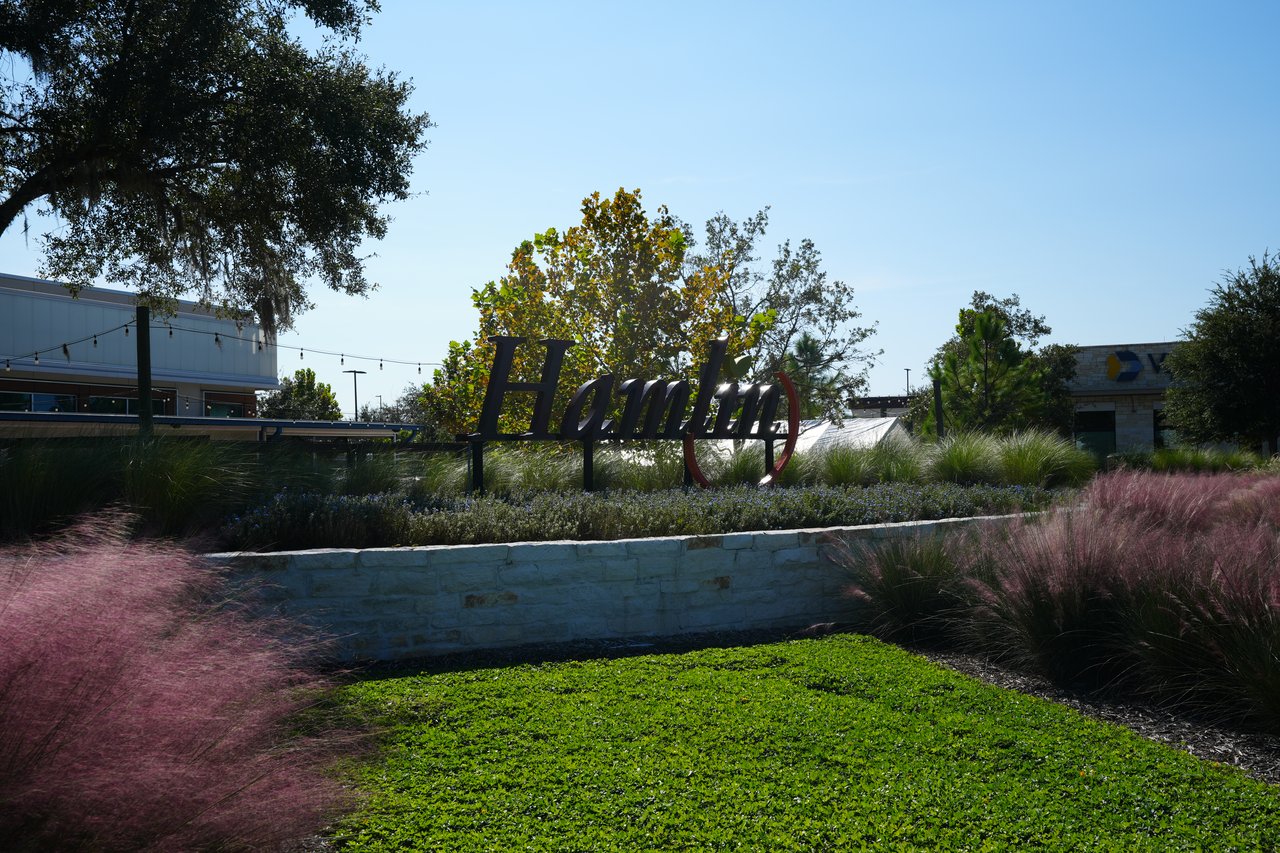
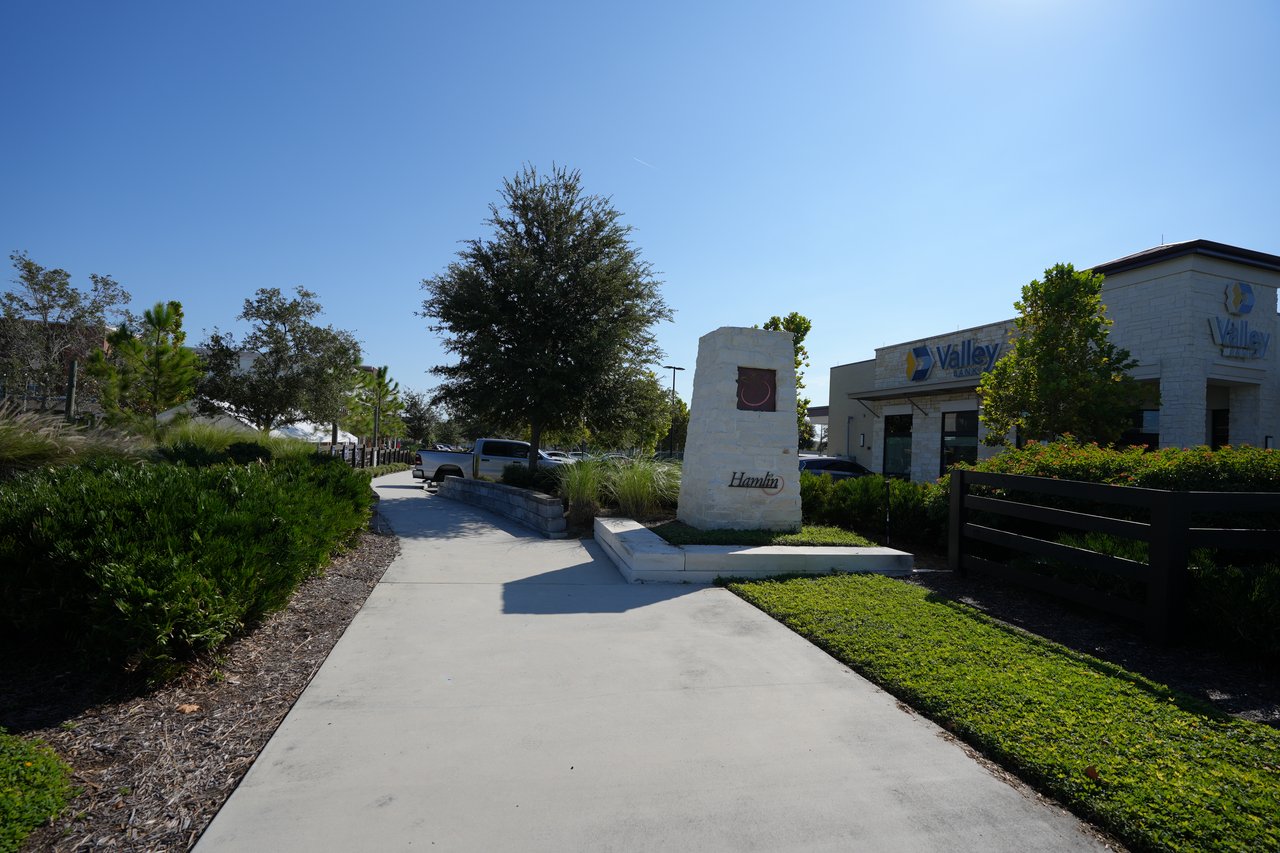
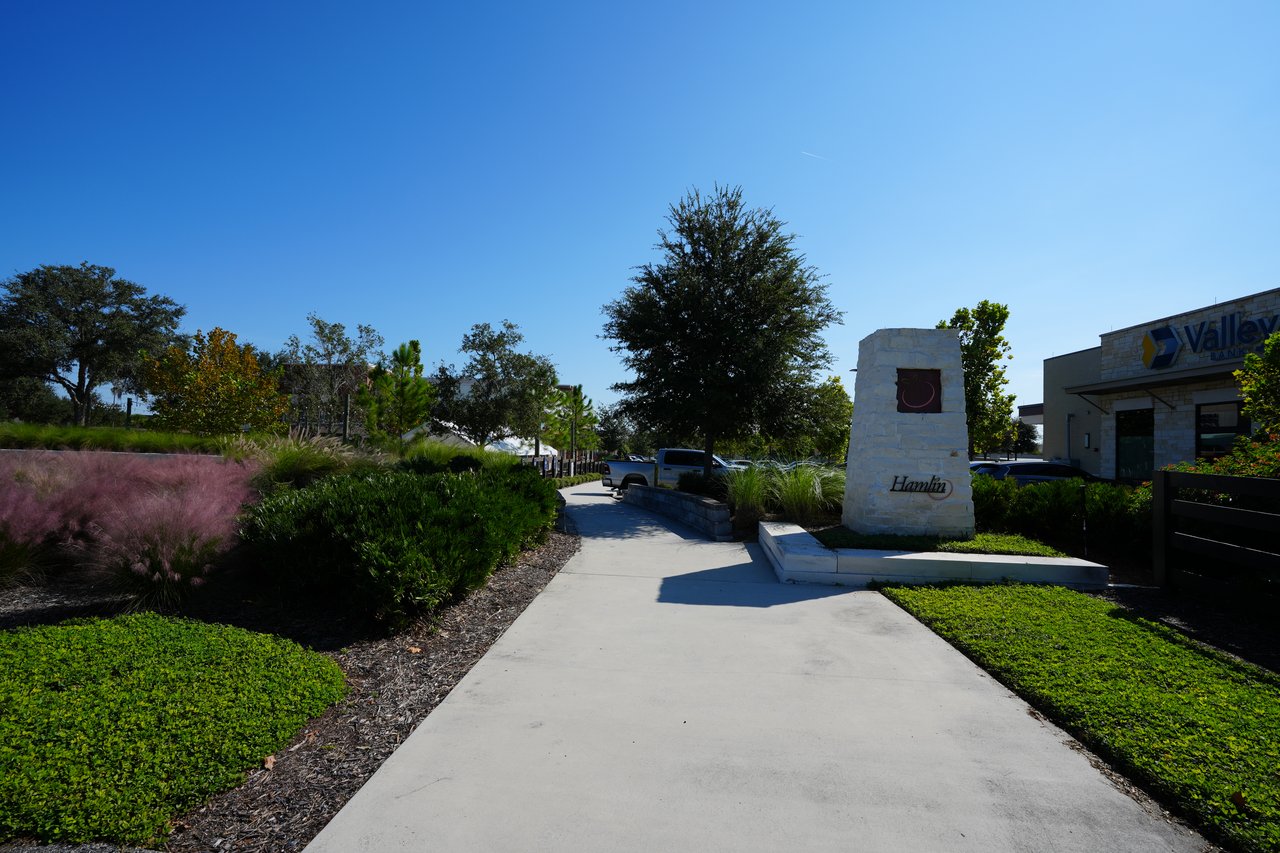
Horizon West remains the primary epicenter, with ongoing construction in pockets like Hamlin, Ovation, Waterleigh, and along the Hartzog Road corridor. These are high-amenity, high-density communities built around lakes, trail networks, and commercial town centers. The Oakland / North-Side Corridor caters to buyers seeking a custom or semi-custom home closer to the historic downtown core — boutique infill projects with a higher price ceiling but more architectural individuality. Further west, builder activity is spilling across the Clermont border along the new Wellness Way connector, with communities like Parkside Trails blurring the boundary between Clermont pricing and a Winter Garden lifestyle.
New construction pricing currently breaks down roughly as follows:
Property Type | Price Range |
|---|---|
Townhomes | Low-to-mid $400,000s |
Production Single-Family | $500,000s – $900,000s |
Custom / Luxury Estates | $2 million+ |
One of the most important things to know before visiting a builder's sales office: builders are motivated to move inventory without officially reducing base prices, because doing so would impact the appraised value of homes already sold in that phase. Instead, they are offering permanent mortgage rate buy-downs into the 5% range and $15,000 to $30,000 in closing cost credits. A qualified buyer who knows how to negotiate can extract significant financial value from this dynamic.
Selling in Winter Garden today requires a fundamentally different mindset than it did two or three years ago. The market is structurally sound — median prices have climbed roughly 11% over the past few years and demand remains active — but buyers are payment-sensitive, and they have options. Sharp execution is the difference between a smooth sale and a listing that stagnates.
The single biggest mistake sellers make right now is pricing aspirationally. With over a third to half of active listings taking at least one price reduction, the data is unambiguous: buyers will not stretch for an overpriced home. If your listing crosses the 45-day mark without an offer, the perception of stigma sets in and buyers will expect a deep discount to compensate.
Correctly priced, move-in-ready homes are still going pending in 13 to 24 days. The 97.9% sale-to-list ratio means sellers should build a modest negotiation buffer into their pricing expectations — but the emphasis is on "modest."
A few strategic considerations worth knowing before you list:
Your most direct competition may not be a neighbor's resale — it could be a production builder a mile away offering a 5.5% rate buy-down to new buyers. Countering this with a seller concession (for example, offering $10,000 toward the buyer's closing costs or rate buy-down) can neutralize that competitive edge. If your home sits in an older neighborhood with low HOA fees and no CDD assessment, that is a genuine selling point that should be front and center in your marketing — buyers who have run the numbers on Horizon West communities know exactly what those fees add up to annually.
Accurate pricing in Winter Garden requires more precision than a simple zip code-level analysis can provide. Pulling broad comps across the 34787 zip code will mislead you, because you are mixing the historic downtown core, master-planned Horizon West subdivisions, and the Clermont border corridor into the same data set. These are fundamentally different buyer pools with different motivations and different price tolerances.
The only reliable approach is to pull comparable sales from your specific neighborhood archetype. A Horizon West production home should be measured against other Horizon West production homes of similar square footage, lot size, and finish level — not against a craftsman bungalow near Plant Street.
A few pricing mechanics that matter specifically in this market:
The new construction discount factor is real. If a builder in a neighboring subdivision is selling a comparable layout for $600,000 and offering a rate buy-down, your resale priced at $610,000 needs to offer something the new build cannot — a private pool, an oversized lot, a premium location within the community, or some combination thereof. Buyers will do the math.
Portal search behavior also matters more than most sellers realize. Buyers heavily rely on automated alerts set to round-number thresholds. Pricing at $599,900 instead of $603,000 captures every buyer with a $600,000 cap. That incremental difference in visibility can meaningfully impact your days on market.
For buyers, this market is genuinely more navigable than it was two or three years ago. Multiple-offer situations still occur on well-priced listings, but they are no longer the default. You do not need to waive your inspection contingency or your appraisal protection to be competitive. What you do need is decisiveness and a clear understanding of how to structure an offer intelligently.
On homes that have been sitting for more than three weeks, an opening offer at 2% to 4% below asking is statistically reasonable given the current sale-to-list ratio. On fresh, well-priced listings in desirable school zones, that margin narrows considerably.
One of the most powerful tools a buyer has right now is the seller concession. Rather than negotiating for a straight price reduction, ask for closing cost credits instead. A $15,000 concession applied toward a permanent mortgage rate buy-down will save you significantly more over the life of the loan than a $15,000 reduction in your purchase price. Most sellers prefer this structure as well, because it keeps the contract price intact for the appraisal.
Keep your inspection contingency. Florida's home insurance market is strict, and carriers scrutinize roof age, HVAC condition, and electrical panels closely. If an inspection reveals a roof older than 15 years or an aging water heater, you have legitimate grounds to request a replacement or an escrowed credit — and you should use it. An uninsurable home is a deal that falls apart at closing.
Finally, if you are buying in a newer Horizon West development like Hamlin or Waterleigh, verify the combined HOA and CDD fees before making any offer, and make sure your lender has factored those non-ad valorem assessments into your debt-to-income calculation. This step gets skipped more often than it should.
Winter Garden's housing stock tells the story of the city itself — a place caught productively between its historic roots and its modern ambitions.
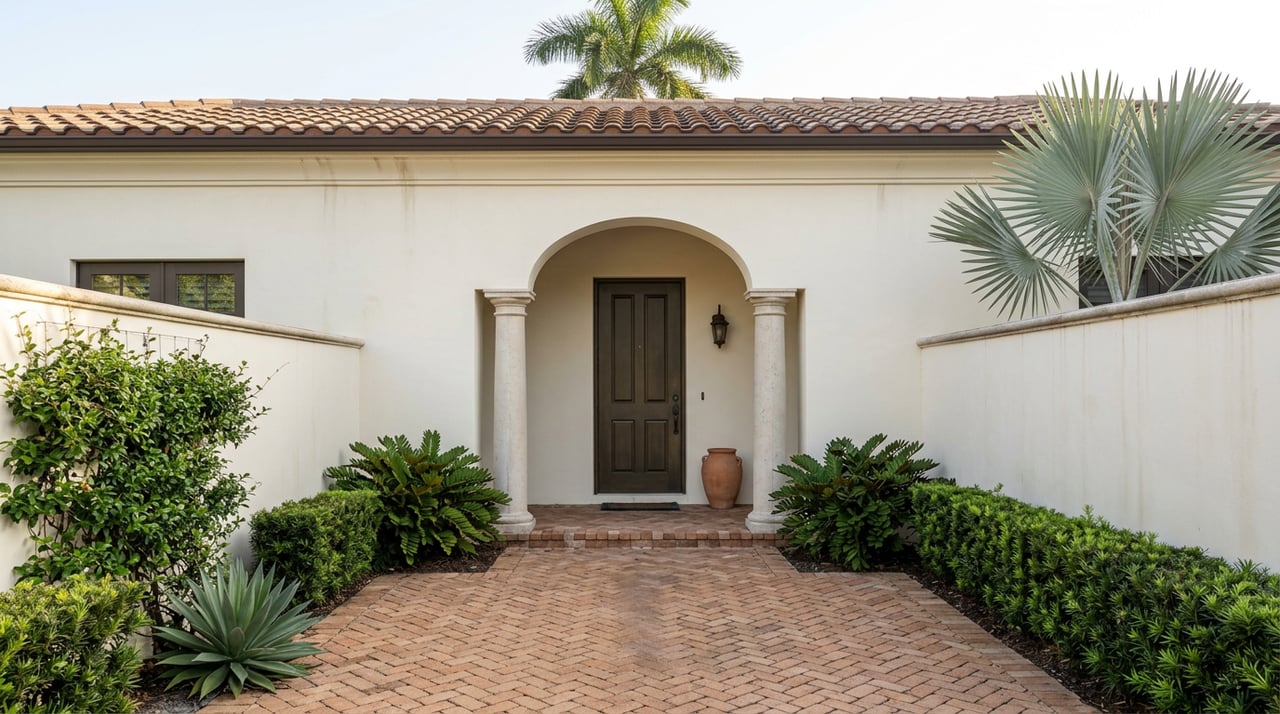
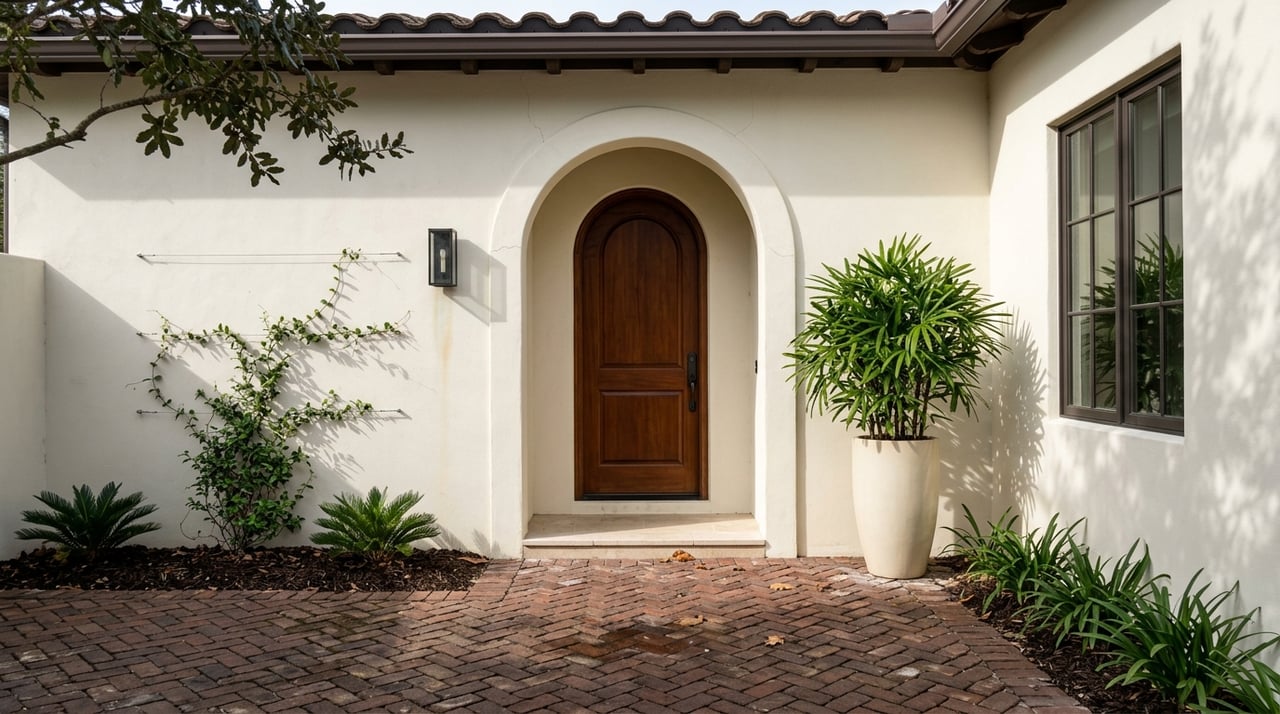
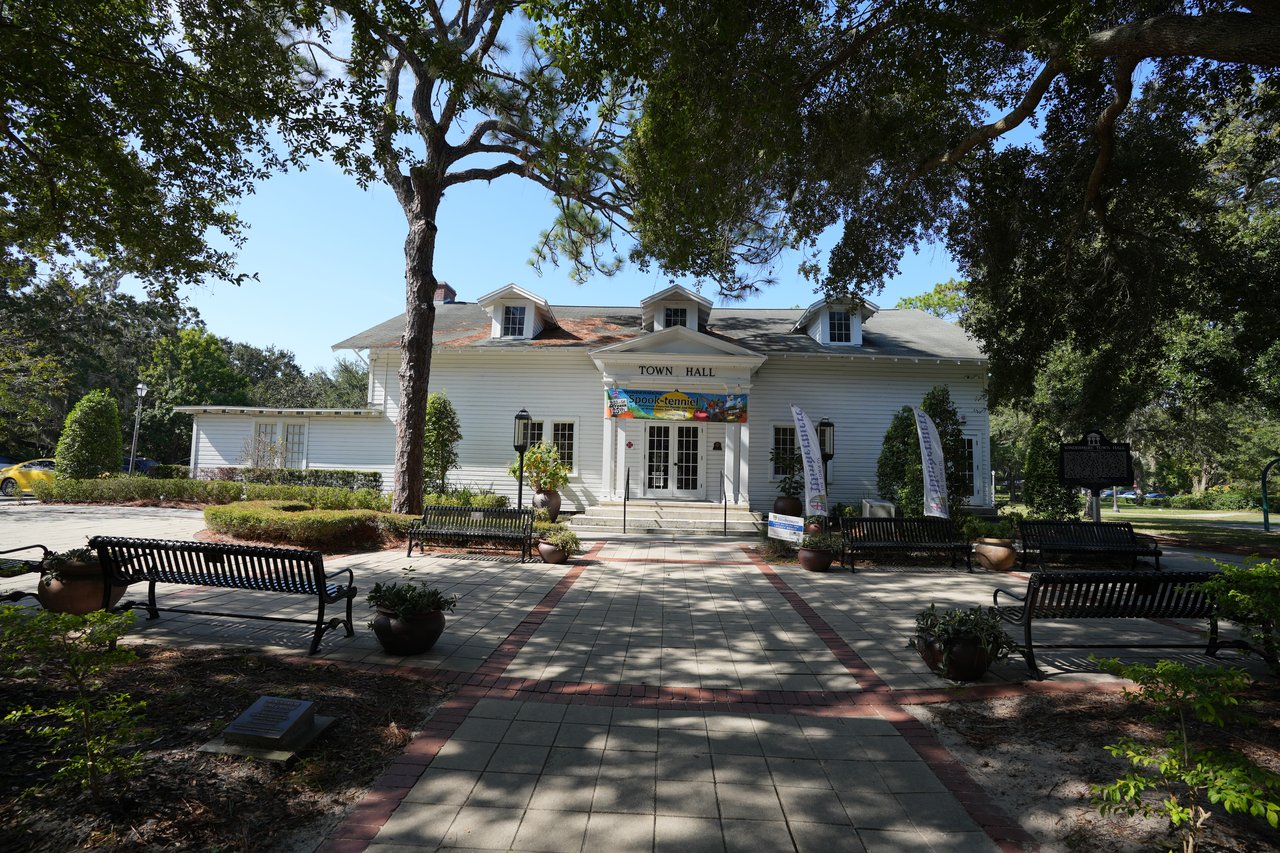
In and around the downtown core and the neighboring town of Oakland, the architecture is rooted in classic Florida residential history. Craftsman bungalows with deep front porches, metal roofs, and detailed trim work sit alongside Colonial Revival homes with symmetrical facades and elegant porticos. The neo-traditional community of Oakland Park is a notable example of how this aesthetic has been successfully reimagined for modern buyers: new homes built in a historic style, with rear-facing garages accessed via alleys and a pedestrian-forward streetscape that genuinely encourages neighbors to interact.
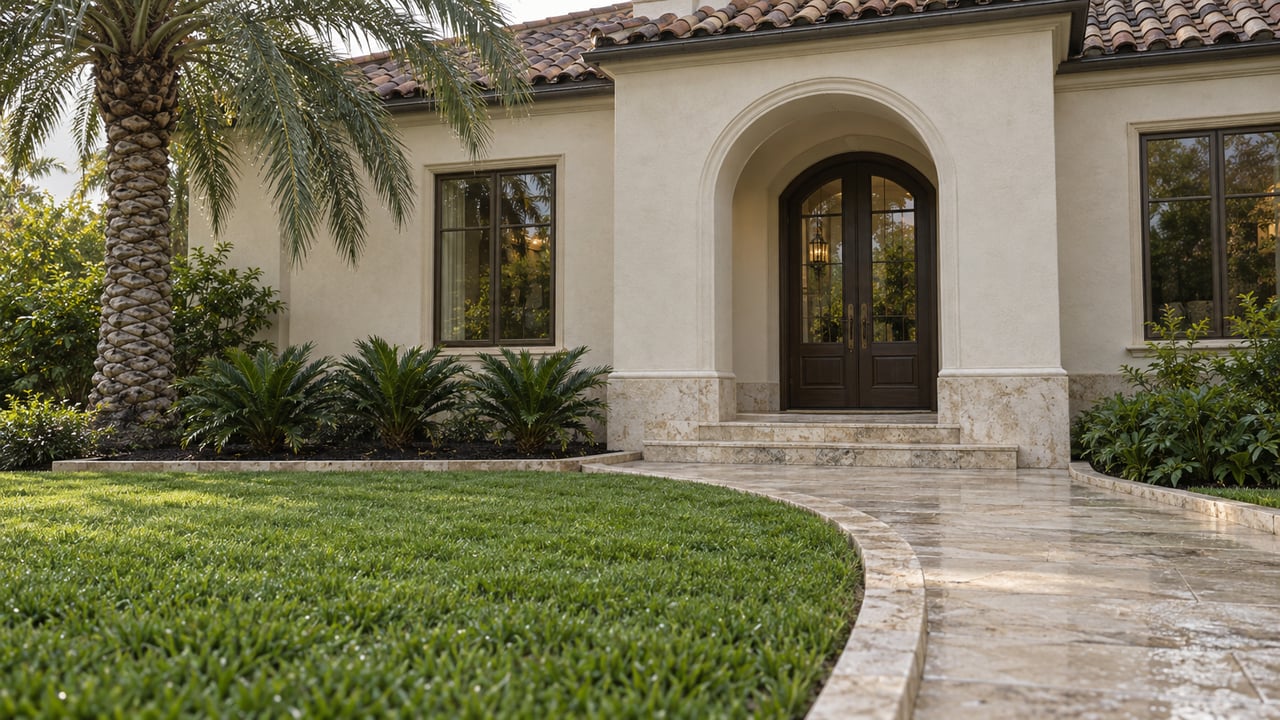
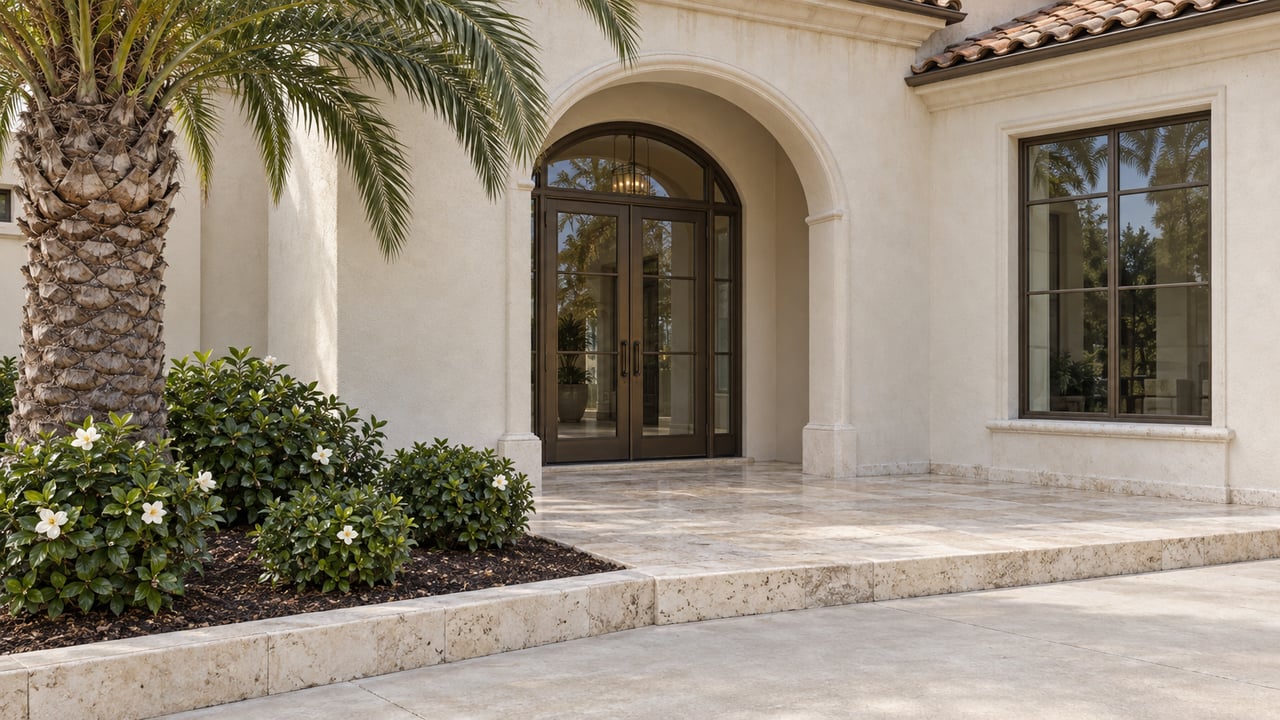
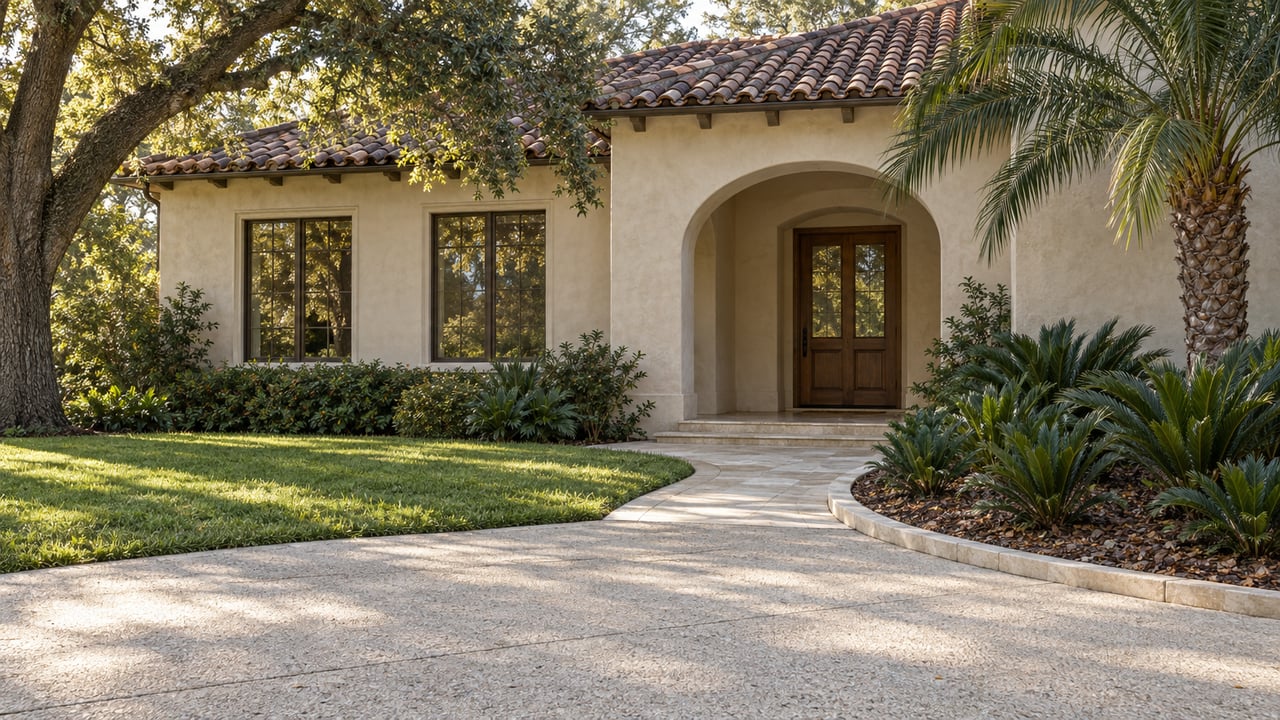
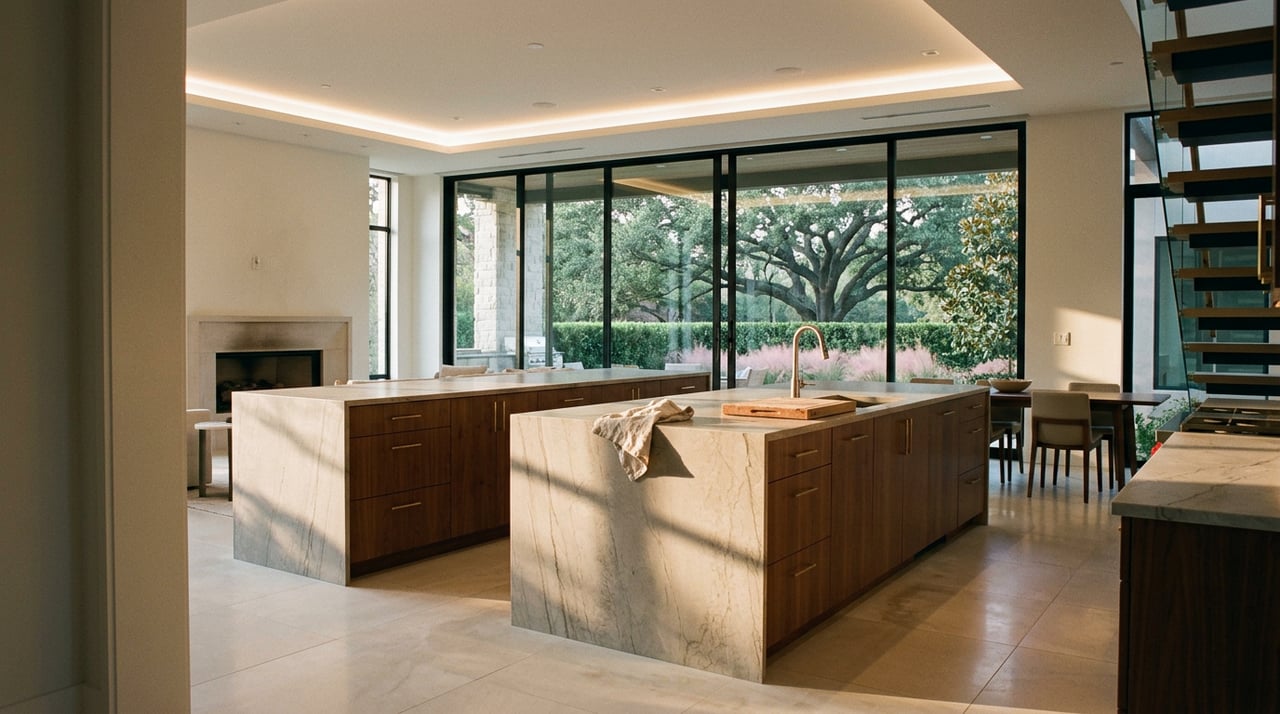
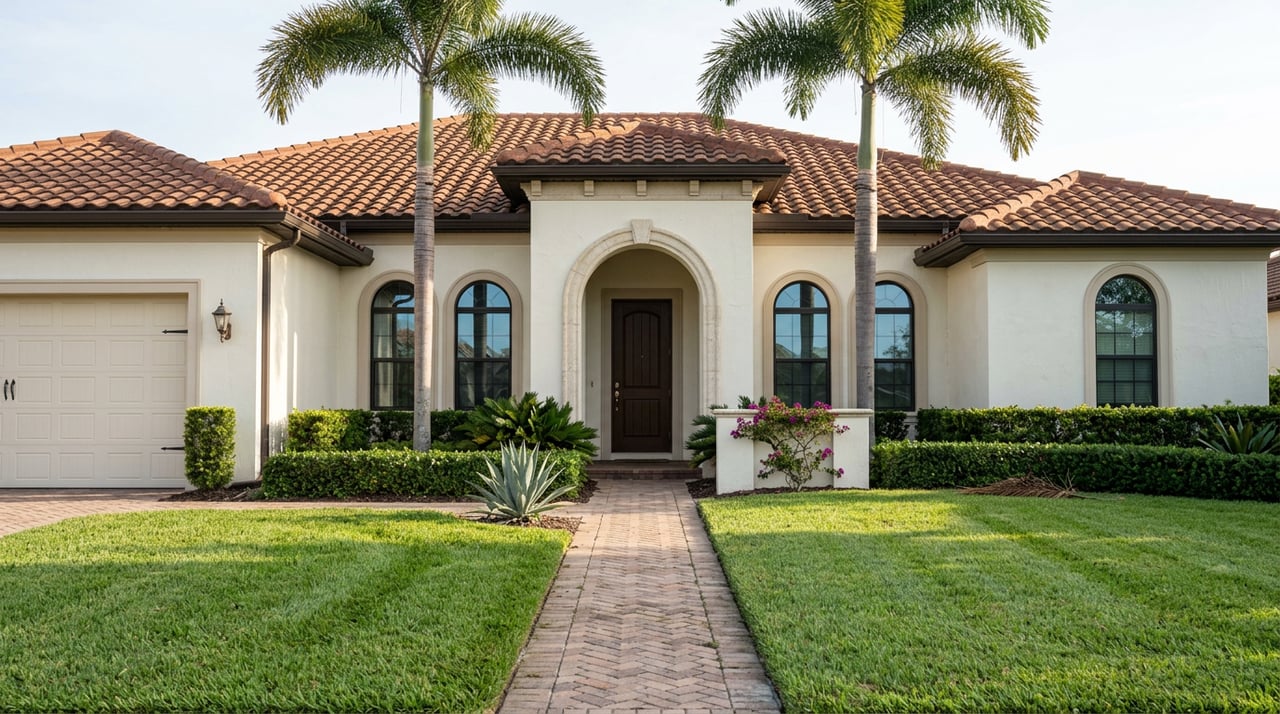
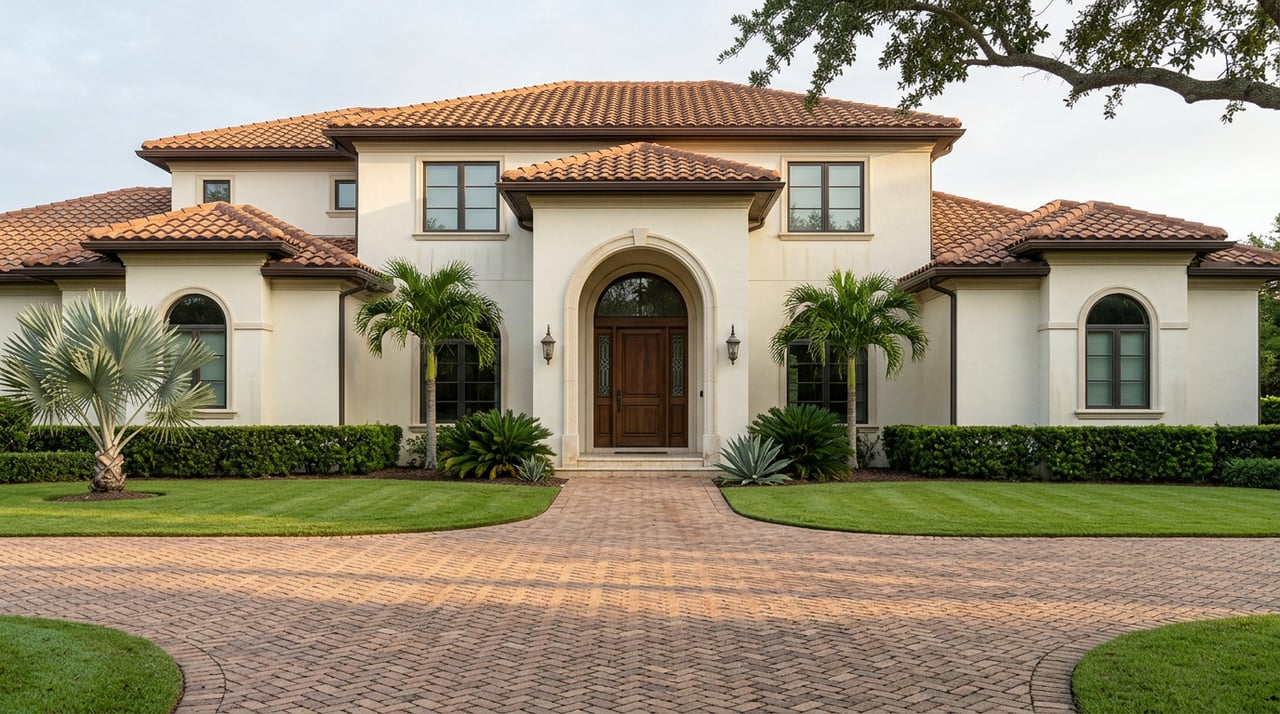
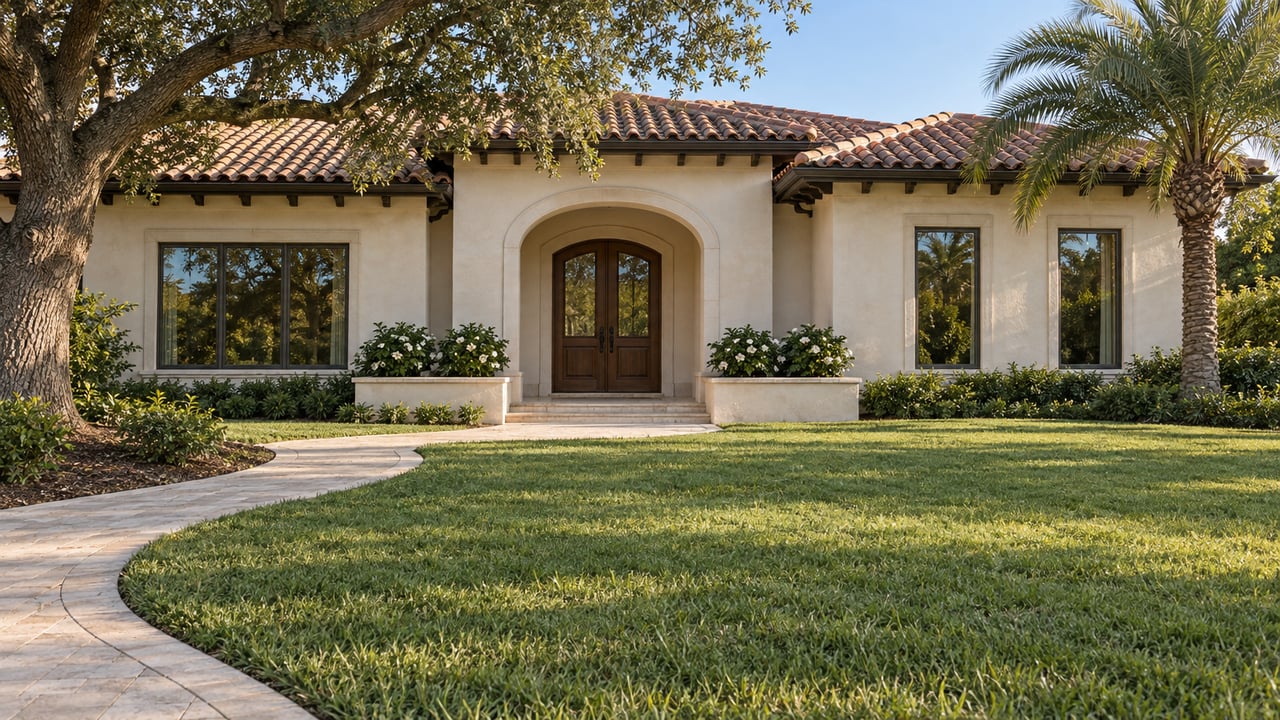
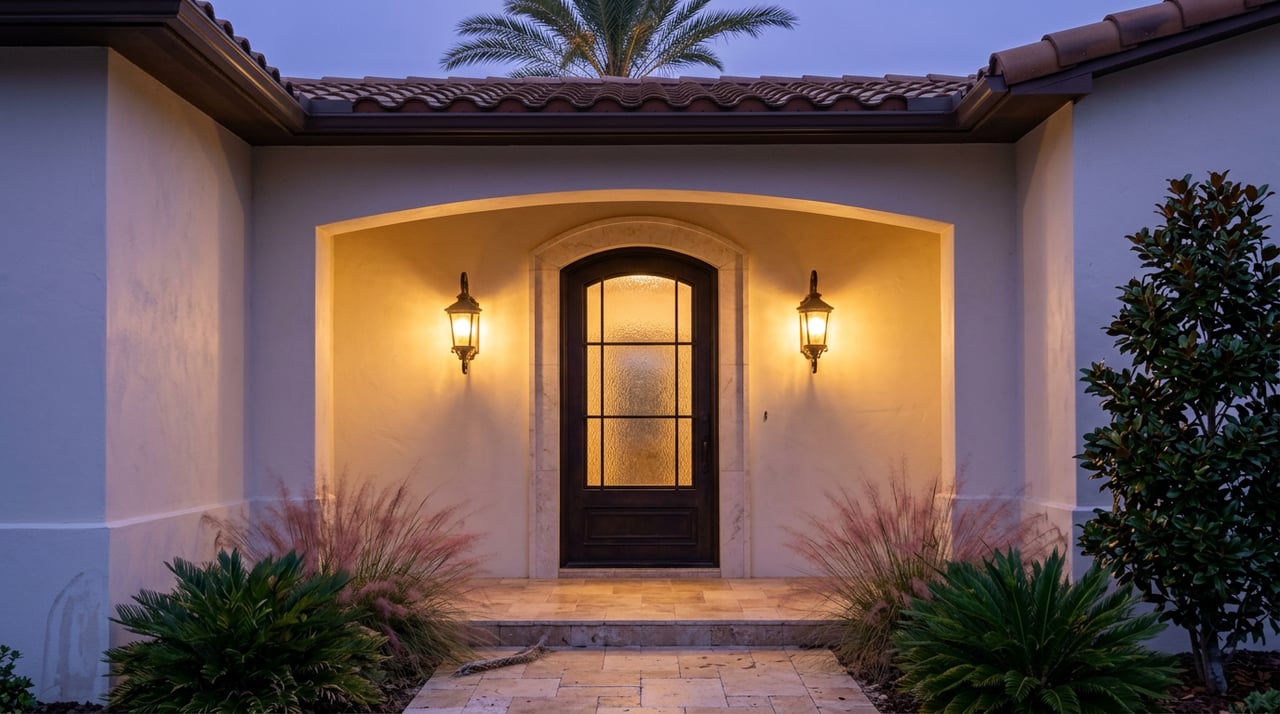
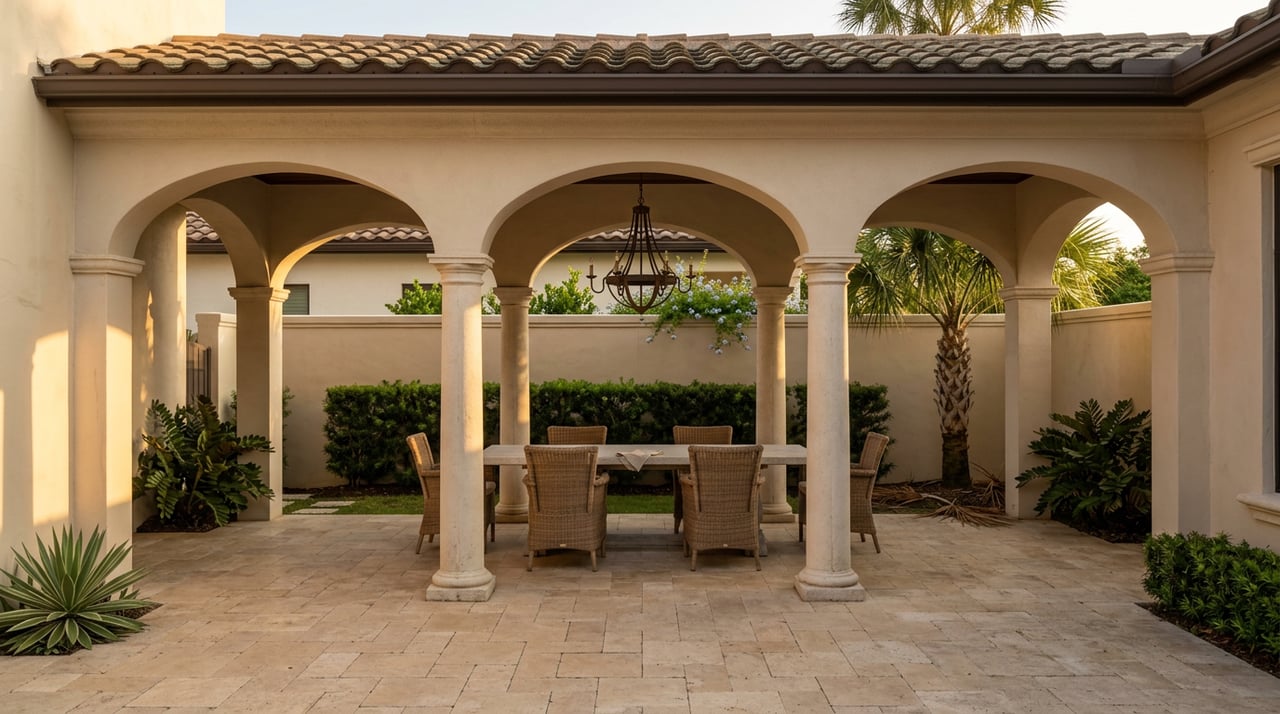
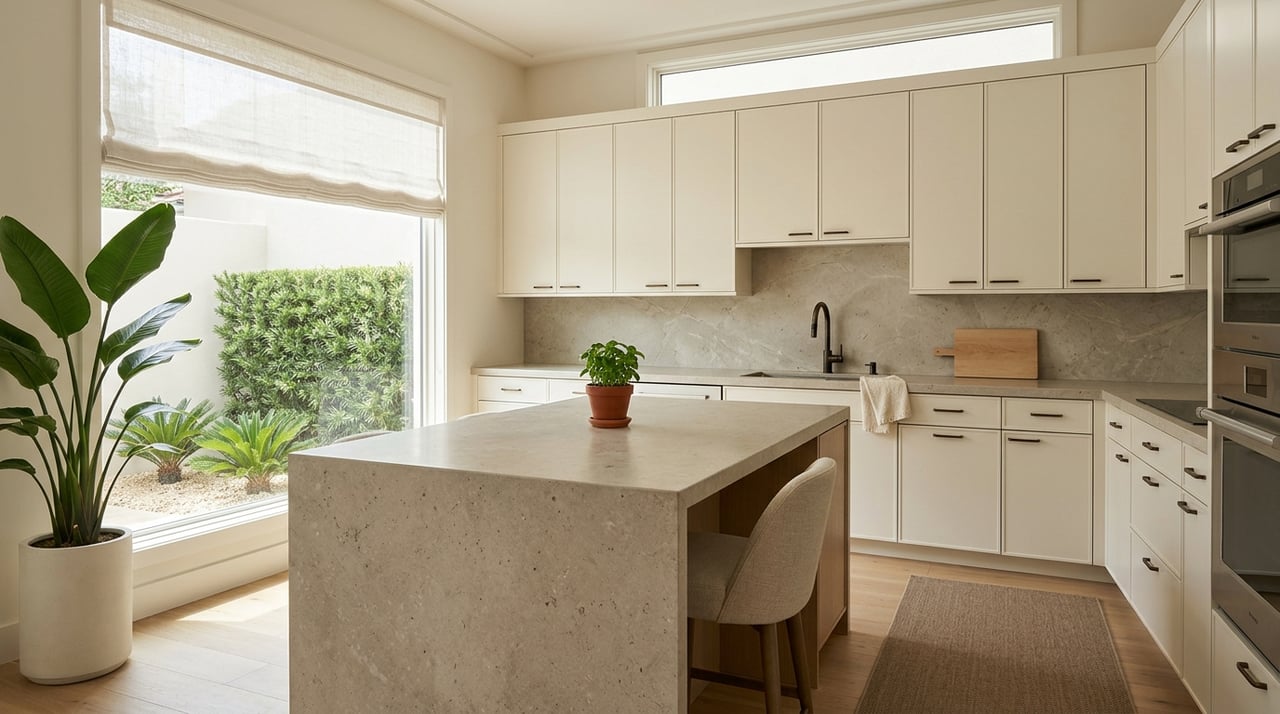
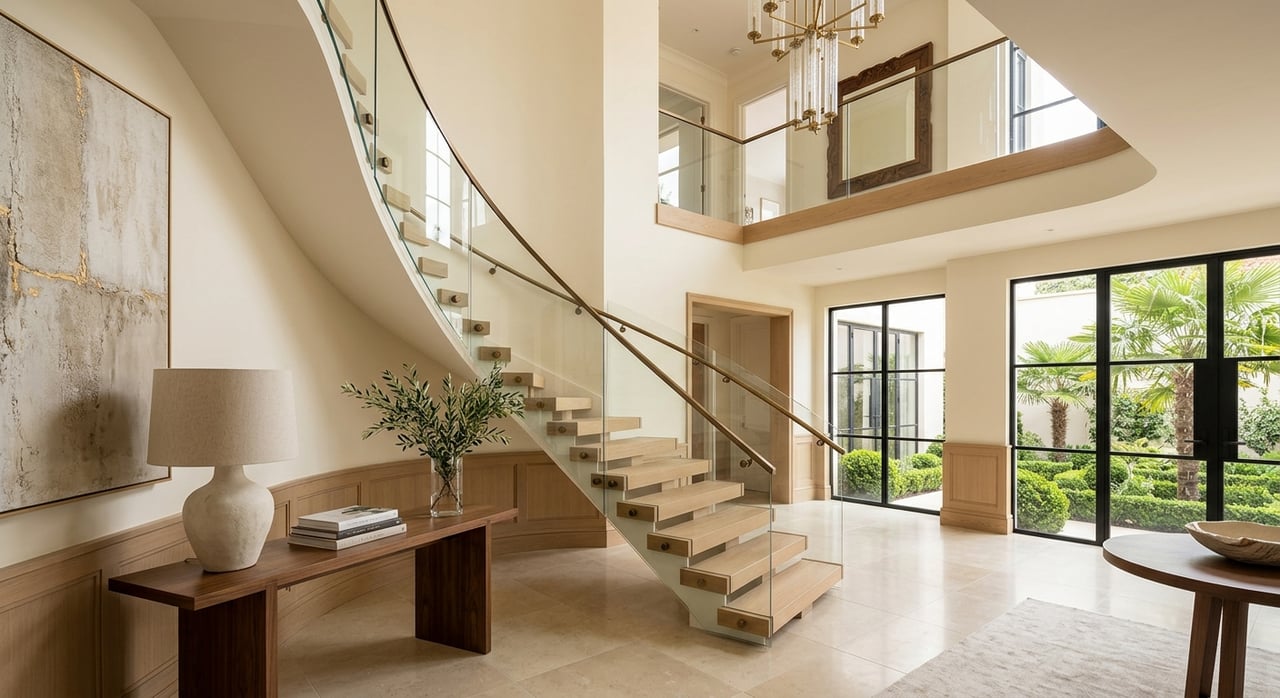
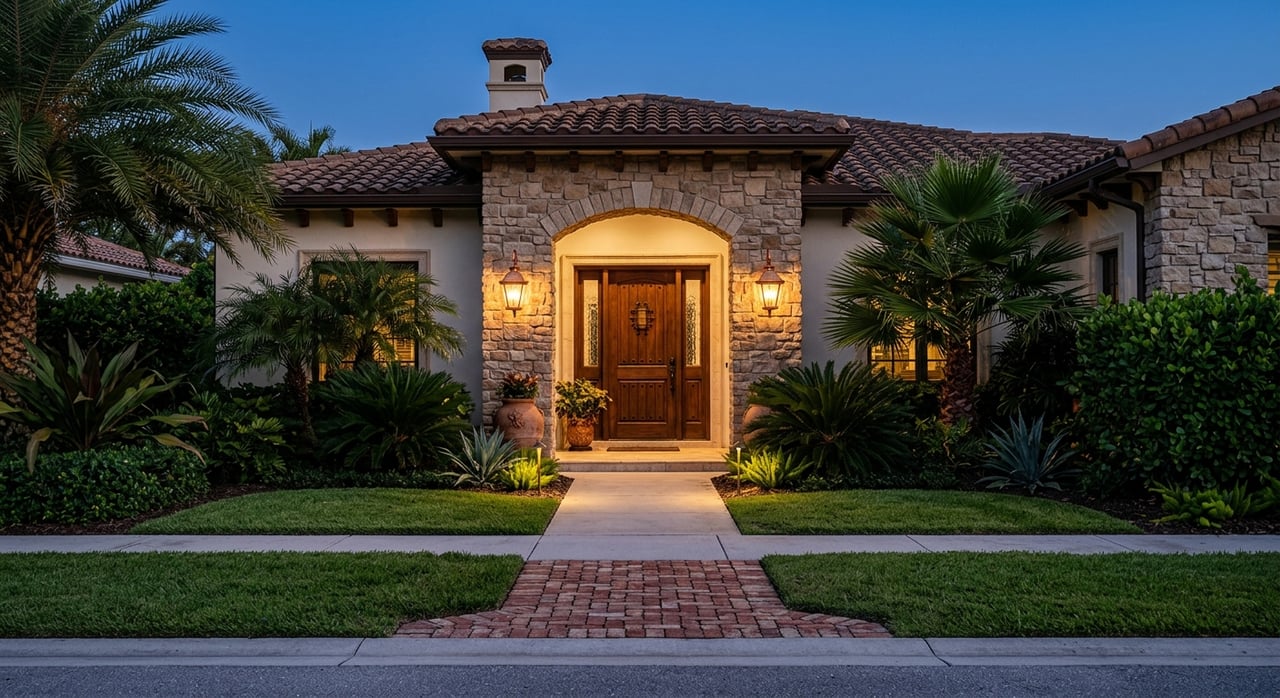
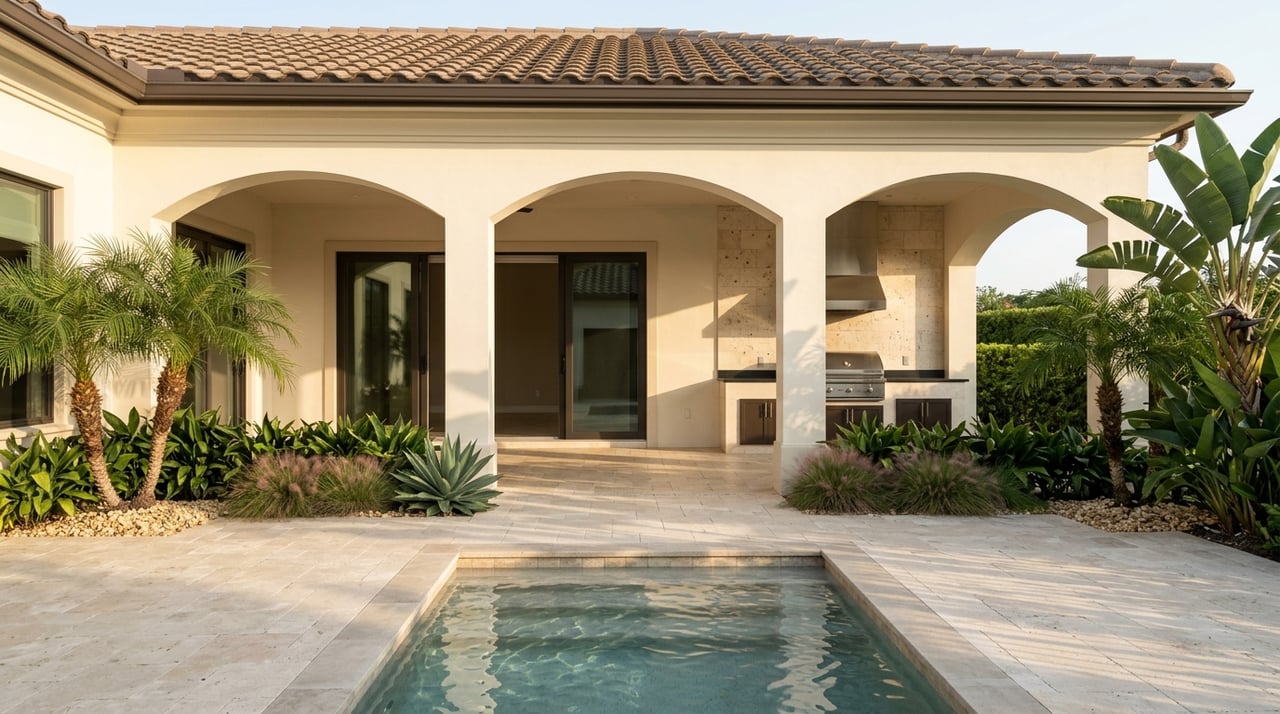
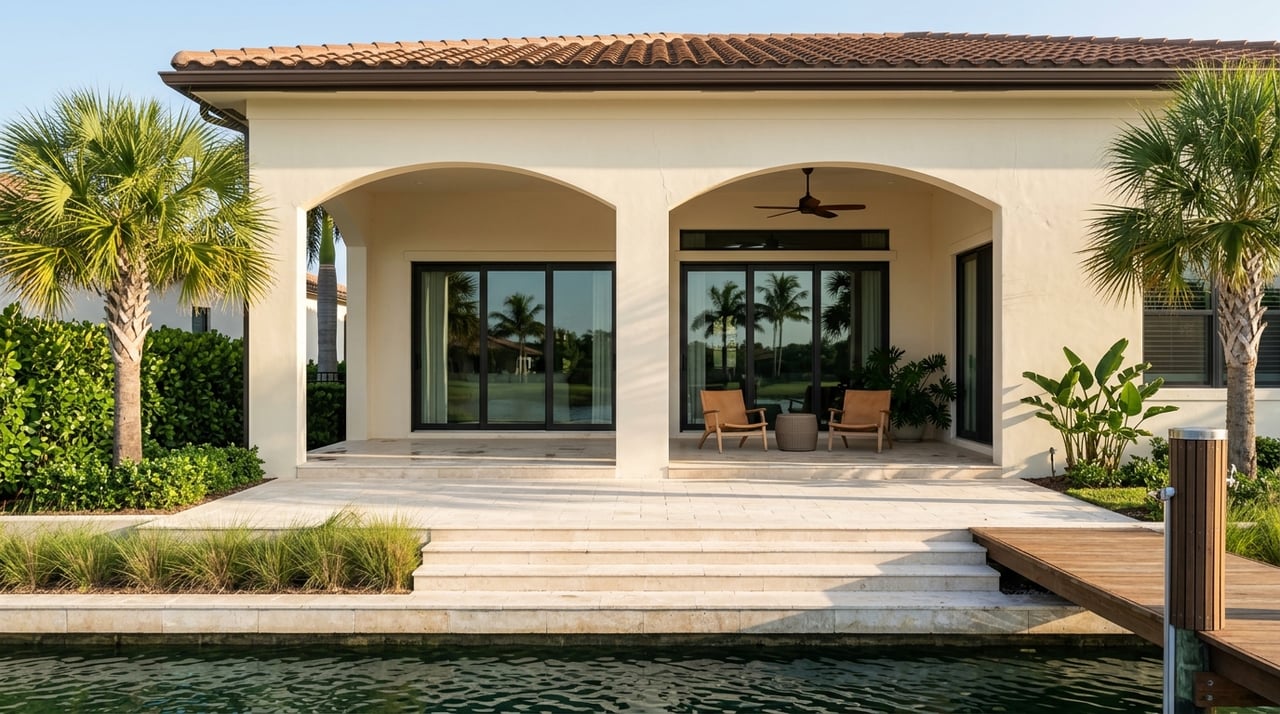
Move south into Horizon West, and the architecture shifts entirely. National production builders like Toll Brothers, Ashton Woods, and Lennar have defined the aesthetic here: Modern Mediterranean and transitional coastal styles with smooth stucco finishes, stone accents, flat tiled roofs, and neutral palettes. Interiors are engineered for contemporary living — two-story family rooms, floating lofts, open-plan kitchens, and integrated indoor-outdoor lanais that blur the line between living space and the Florida climate. Multi-story townhomes in this corridor often feature detached rear garages centered around private interior courtyards, a design choice that prioritizes community feel over individual curb appeal.
Both architectural personalities have their advocates, and the choice between them usually reveals a buyer's broader priorities: walkable character and historic charm versus modern construction, new-home warranties, and lower insurance premiums.
Transportation in Winter Garden works on two completely different scales depending on where you live and where you are going.
For local movement, Winter Garden has something most Central Florida cities do not: a functioning, officially designated Golf Cart District. The city has intentionally lowered speed limits to 30 MPH on several key streets — including portions of East Plant Street, Crown Point Road, and Vineland Road — to safely integrate golf cart traffic with standard vehicles. Carts cannot exceed 20 MPH, cannot use sidewalks, and are prohibited from the West Orange Trail itself. Drivers under 18 must hold a valid learner's permit or driver's license. For residents near the downtown core, this is a genuine lifestyle upgrade.
The West Orange Trail is the other defining piece of local infrastructure. This 22-mile paved rail-trail cuts directly through downtown, connecting residential neighborhoods to the Plant Street corridor, the weekly Farmers Market, Centennial Plaza, and the Downtown Interactive Fountain. It is both a recreation amenity and a practical transportation option — residents regularly bike or walk to dinner, weekend events, and local errands without touching a car.
For regional commuting, the picture is more complicated. State Road 429 (the Western Expressway) is the primary artery, offering direct access south to Walt Disney World and connecting efficiently to the Florida Turnpike and SR 408 for downtown Orlando. The northern historic sections of Winter Garden handle traffic reasonably well. Horizon West is a different story. The rapid density of new construction has outpaced infrastructure expansion, and Avalon Road (CR 545) and Marsh Road can be genuinely difficult during school drop-off hours and peak rush periods. This is an honest trade-off buyers in the southern corridor should factor into their decision.
School quality is one of the primary reasons families choose Winter Garden over comparable Central Florida suburbs — and the data backs the reputation. Operating under Orange County Public Schools, Winter Garden's public institutions rank in the top 20% statewide, with math and reading proficiency scores that substantially outperform Florida averages.
At the elementary level, Whispering Oak Elementary consistently earns a perfect 10/10 on GreatSchools, placing it in the top 5% of all Florida elementary schools. Lake Whitney Elementary and Summerlake Elementary (serving the Horizon West zone) are similarly well-regarded. At the middle school level, Bridgewater Middle School and SunRidge Middle School are the standouts — homes zoned for Bridgewater actually see measurably lower days on market because parents specifically target the boundary lines when searching.
High school options split between West Orange High School, the historic campus known for its strong AP and dual-enrollment programs with Valencia College, and Horizon High School in southern Winter Garden, a newer campus built around digital media, biomedical sciences, and engineering tracks. Both carry "A" ratings from the state.
For families seeking private options, Foundation Academy is deeply woven into the local community. It operates a lower school campus directly on Plant Street in the downtown corridor and a 70-acre upper school on Tilden Road, with a strong college placement track record.
The outdoor lifestyle here is not a marketing talking point — it is structurally built into the city. Winter Garden's recreational identity is anchored by the West Orange Trail, a 22-mile paved rail-trail that functions as a linear park running directly through downtown. Residents use it daily for biking, running, and rollerblading, and it connects seamlessly to Centennial Plaza and the Downtown Interactive Fountain, a popular splash pad for families.
Newton Park, situated on the shores of Lake Apopka just blocks from the downtown core, offers a boardwalk, a fishing pier, and some of the best sunset views in West Orange County. It is a quieter, nature-forward escape that long-time residents prize precisely because it does not feel like a designed amenity — it feels like the Old Florida that most of Central Florida has paved over.
Tucker Ranch Recreation and Nature Complex is the area's most expansive natural preserve at 209 acres. It features oak hammocks, walking trails, a nature-themed playground, and canoe and kayak launch access to Monverde Springs and the Johns Lake boat ramp system. It is the kind of park that makes parents realize they do not need to leave the city for a genuine outdoor experience.
In Horizon West, the park model is different by design. Rather than large standalone city parks, communities like Waterleigh and Hamlin are built around interconnected trail networks, private dog parks, and direct paddleboard and kayak launch points on Lake Avalon. The outdoor amenity is embedded into the neighborhood itself.
Winter Garden has become one of the more compelling food and social scenes in the entire Orlando metro, and it has done so without sacrificing its local character for chains and corporate concepts.
Downtown on Plant Street, the social anchor is Plant Street Market — a large indoor artisanal food hall built around Crooked Can Brewing Company. On any given weekend evening, it functions as the communal living room of the city, with groups moving between craft beers, coal-fired pizza, sushi, and gourmet comfort food all under one roof. The surrounding blocks support genuine dining destinations: The Whole Enchilada draws crowds for its rooftop bar, and Market to Table earns repeat visits with contemporary American fine dining that competes with anything in downtown Orlando.
The atmosphere here is walkable, neighborhood-focused, and decidedly local. It is not a nightlife scene built around clubs or late-night venues — it is built around people who live here and enjoy being where they live.
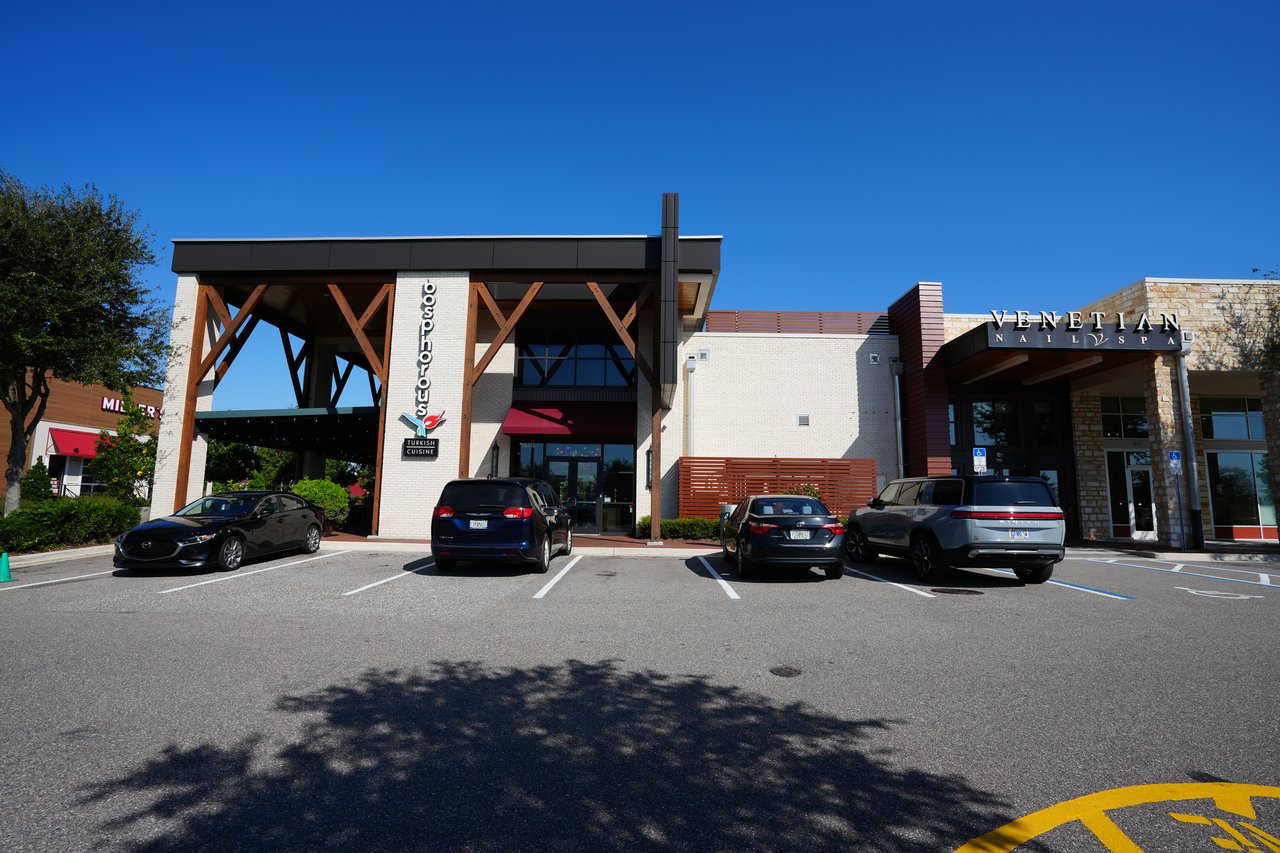
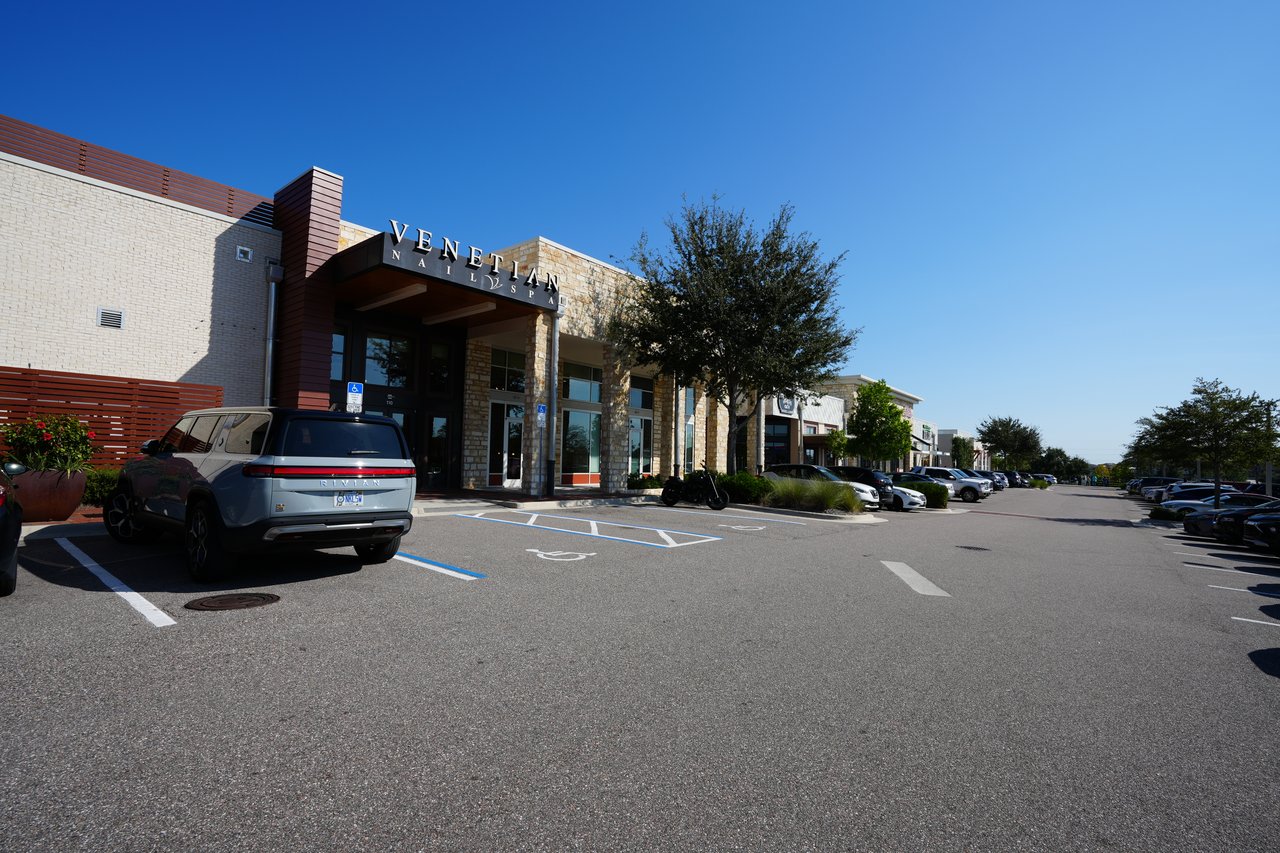
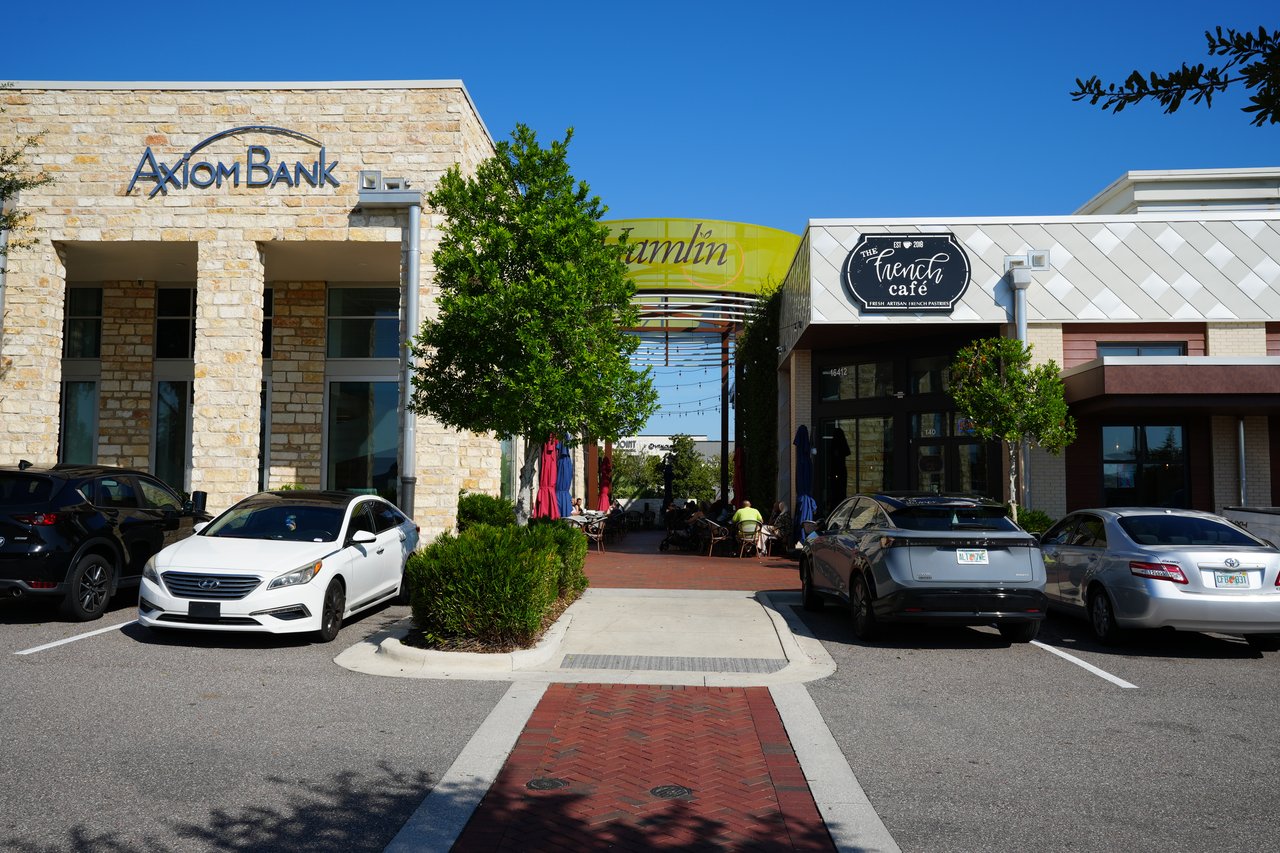
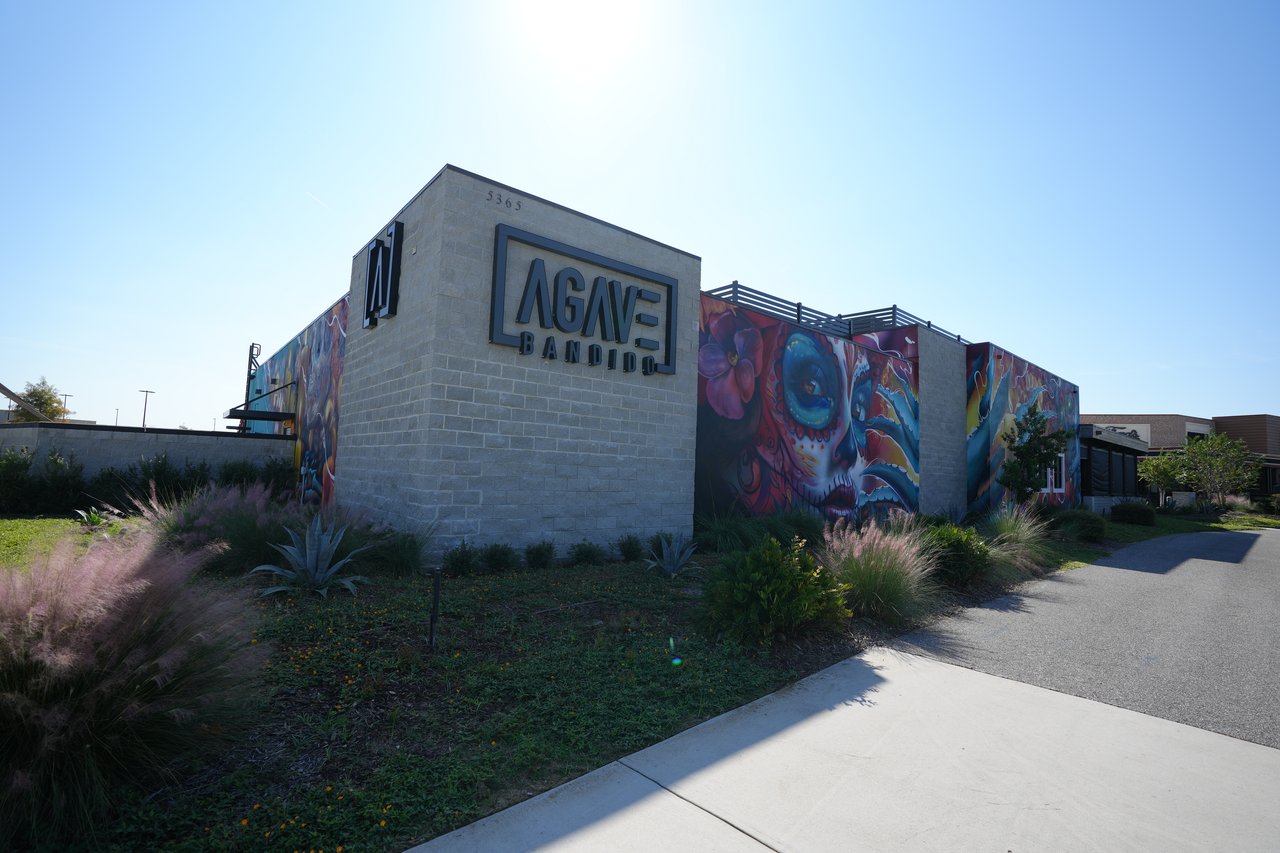
South in the Hamlin Town Center, the dining landscape shifts toward a lakeside entertainment model. The water-facing patios, upscale Mexican concepts, modern taprooms, and the Cinepolis boutique cinema make it a reliable destination for date nights and young families. The vibe is polished but relaxed, designed for residents who want something more elevated than a strip mall without the drive into the city.
Property taxes in Winter Garden deserve careful attention, particularly for buyers coming from out of state who may not be familiar with how Florida's tax system actually works in practice.
For homes within Winter Garden city limits, the combined millage rate — pooling county, school district, and municipal assessments — generally falls between 16.5 and 18.2 mills. As a practical budgeting rule, new buyers should estimate annual property taxes at roughly 1.4% to 1.7% of the purchase price.
The most common and costly mistake buyers make is looking at the current owner's tax bill and assuming they will pay something similar. Florida's Save Our Homes law caps annual assessment increases at 3% per year for primary residents. A seller who has owned their home for a decade may be paying taxes on an assessed value far below current market. The moment you purchase the home, that cap resets and the assessment returns to full market value — which can cause the tax bill to double or even triple in your first full year of ownership. Always estimate your taxes based on your purchase price, not the seller's historical bill.
The mitigation is the Homestead Exemption. If you establish the home as your permanent primary residence, you qualify for a $50,000 reduction in assessed value for most taxing authorities — saving roughly $500 to $700 annually — and, more importantly, you lock in the 3% annual cap going forward.
Buyers purchasing in Horizon West or other newer southern Winter Garden communities also need to account for Community Development District (CDD) fees, which appear as a non-ad valorem line item on the annual tax bill. These assessments — used to retire the infrastructure bonds that built the roads, utilities, and community amenities — can add $1,000 to $3,500 or more per year on top of standard property taxes and HOA fees. They are a real carrying cost that should be factored into any affordability calculation.
Winter Garden is not a market where generic real estate advice serves you well. The difference between the historic downtown core and Horizon West, the builder incentive landscape, the CDD fee structures, the school boundary dynamics — these are details that materially affect the value of what you are buying or selling, and they require someone who works this market specifically.
Bent Danholm is the broker and owner of Danholm Collection, a boutique luxury real estate advisory firm based in Gotha, Florida, at the heart of West Orange County. Bent has represented buyers and sellers across Winter Garden, Windermere, Isleworth, Lake Nona, Winter Park, and Golden Oak at Walt Disney World — and his approach is built around one principle: strategic positioning. That means identifying the right buyer profile for a property, pricing with precision rather than optimism, and structuring transactions to protect his clients' financial position at every stage.
Bent's background is unusual in this business. Originally from Denmark, with a career spanning Denmark, France, the United Kingdom, and the United States across finance, marketing, and real estate, he brings a global advisory perspective to a hyper-local market. His work has been recognized by Modern Luxury Miami, James Edition, and DailyMail.com, and he serves as a host on the Emmy-nominated, five-time Telly Award–winning television program The American Dream TV.
If you are considering buying or selling in Winter Garden or anywhere in Central Florida, reach out to Bent directly for a private consultation.
Bent Danholm — Danholm Collection Phone: (407) 288-0704 Email: [email protected] Website: danholmcollection.com
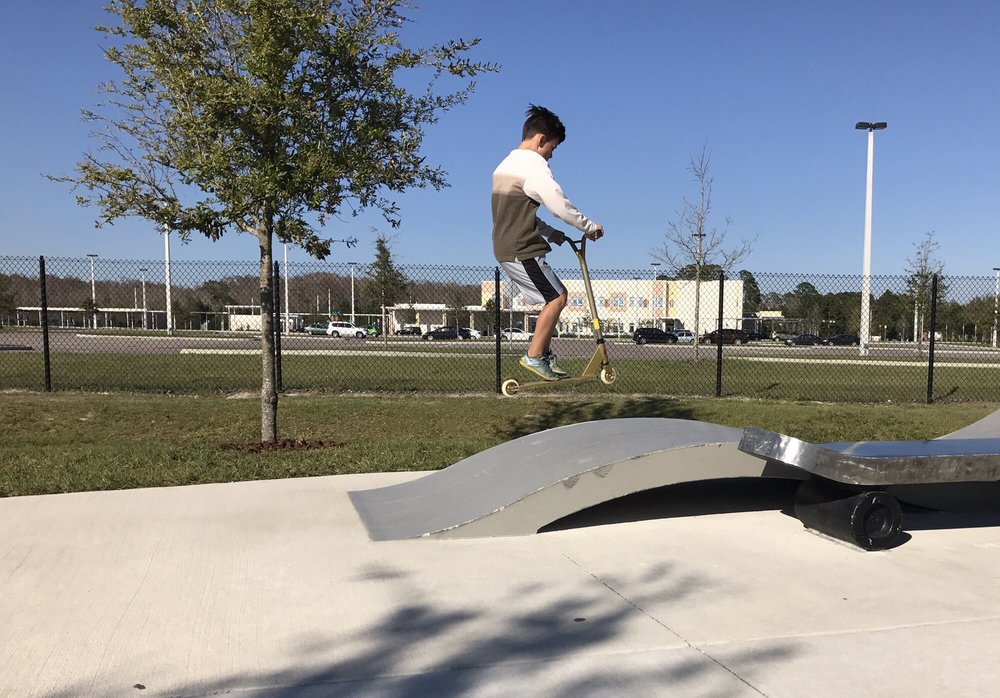
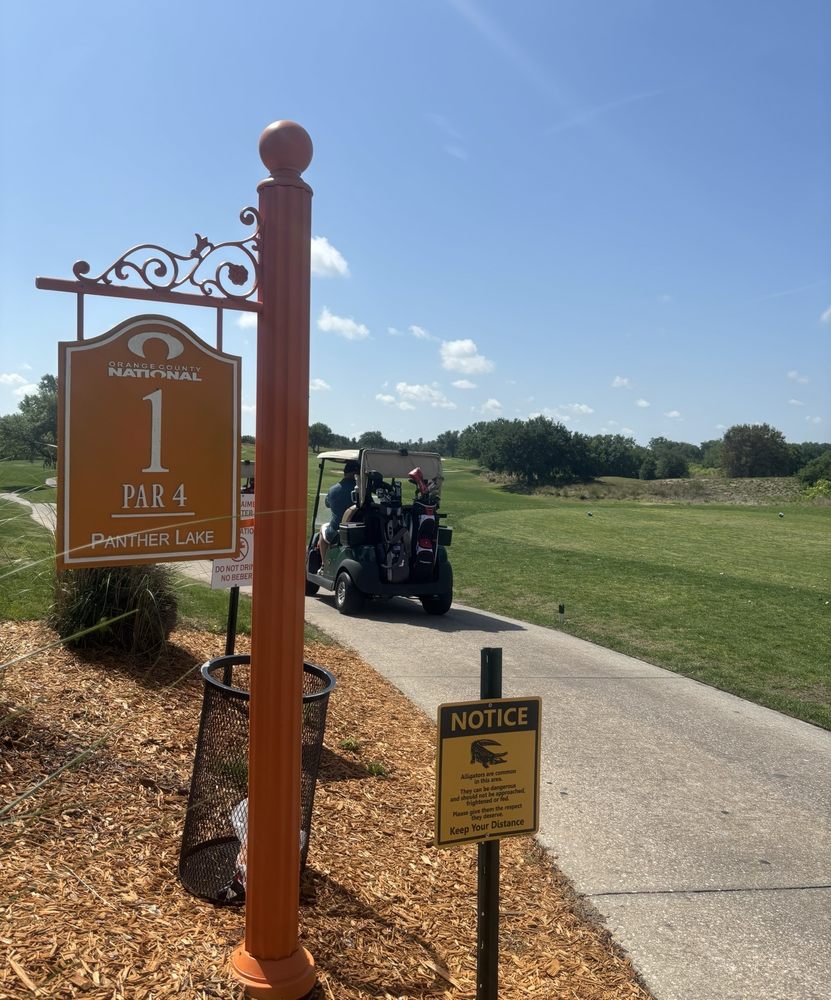
There's plenty to do around Winter Garden, including shopping, dining, nightlife, parks, and more. Data provided by Walk Score and Yelp.
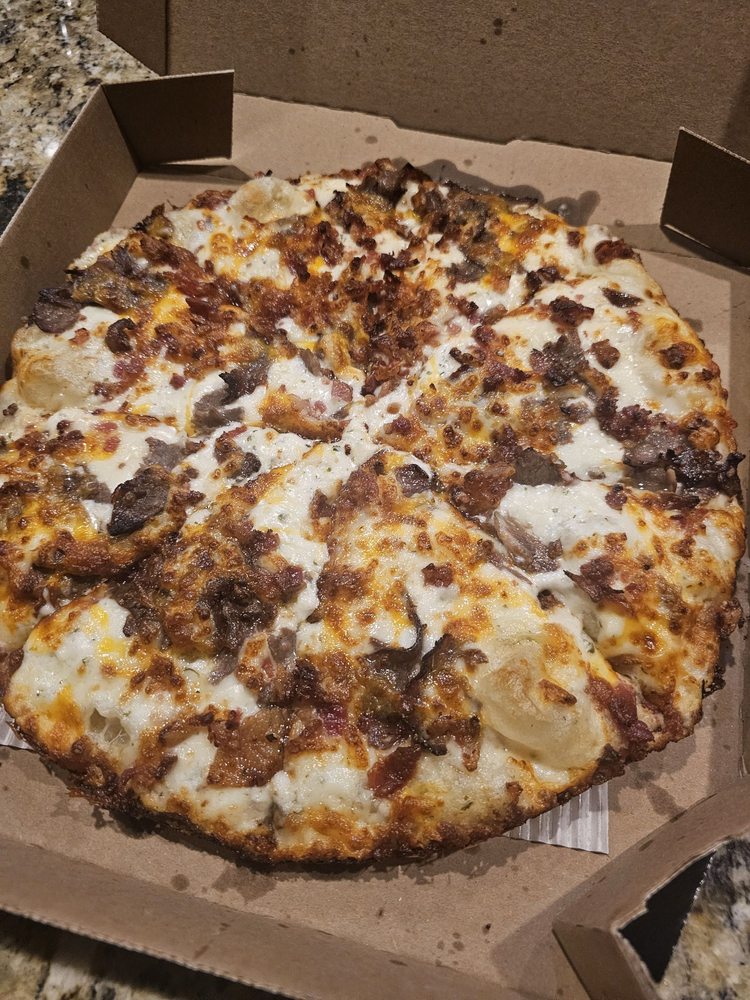
Explore popular things to do in the area, including Leanbites Meal Prep, Beijing & Tokyo, and Domino's Pizza.
| Name | Category | Distance | Reviews |
Ratings by
Yelp
|
|---|---|---|---|---|
| Dining | 1.17 miles | 0 reviews | 0/5 stars | |
| Dining · $$ | 2.38 miles | 146 reviews | 3.8/5 stars | |
| Dining · $ | 2.54 miles | 46 reviews | 1.9/5 stars | |
| Shopping | 2.39 miles | 0 reviews | 0/5 stars | |
| Active | 0.47 miles | 2 reviews | 4.5/5 stars | |
| Active | 1.76 miles | 5 reviews | 4/5 stars | |
| Active | 2.59 miles | 1 review | 1/5 stars | |
| Active | 2.7 miles | 0 reviews | 0/5 stars | |
| Active | 2.7 miles | 3 reviews | 4/5 stars | |
| Active | 2.7 miles | 0 reviews | 0/5 stars | |
| Beauty | 0.01 miles | 1 review | 5/5 stars | |
| Beauty | 0.5 miles | 0 reviews | 0/5 stars | |
| Beauty | 0.64 miles | 3 reviews | 3.7/5 stars | |
| Beauty | 2.37 miles | 0 reviews | 0/5 stars | |
| Beauty | 2.38 miles | 16 reviews | 3.9/5 stars | |
| Beauty | 2.38 miles | 0 reviews | 0/5 stars | |
| Beauty | 2.39 miles | 25 reviews | 3.2/5 stars | |
| Beauty | 2.43 miles | 1 review | 5/5 stars | |
| Beauty | 2.45 miles | 5 reviews | 1.8/5 stars | |
| Beauty | 2.58 miles | 0 reviews | 0/5 stars | |
|
|
||||
|
|
||||
|
|
||||
|
|
||||
|
|
||||
|
|
Winter Garden has 30,658 households, with an average household size of 3.02. Data provided by the U.S. Census Bureau. Here’s what the people living in Winter Garden do for work — and how long it takes them to get there. Data provided by the U.S. Census Bureau. 93,064 people call Winter Garden home. The population density is 1,384 and the largest age group is Data provided by the U.S. Census Bureau.
Total Population
Population Density Population Density This is the number of people per square mile in a neighborhood.
Median Age
Men vs Women
Population by Age Group
0-9 Years
10-17 Years
18-24 Years
25-64 Years
65-74 Years
75+ Years
Education Level
Total Households
Average Household Size
Average individual Income
Households with Children
With Children:
Without Children:
Blue vs White Collar Workers
Blue Collar:
White Collar:
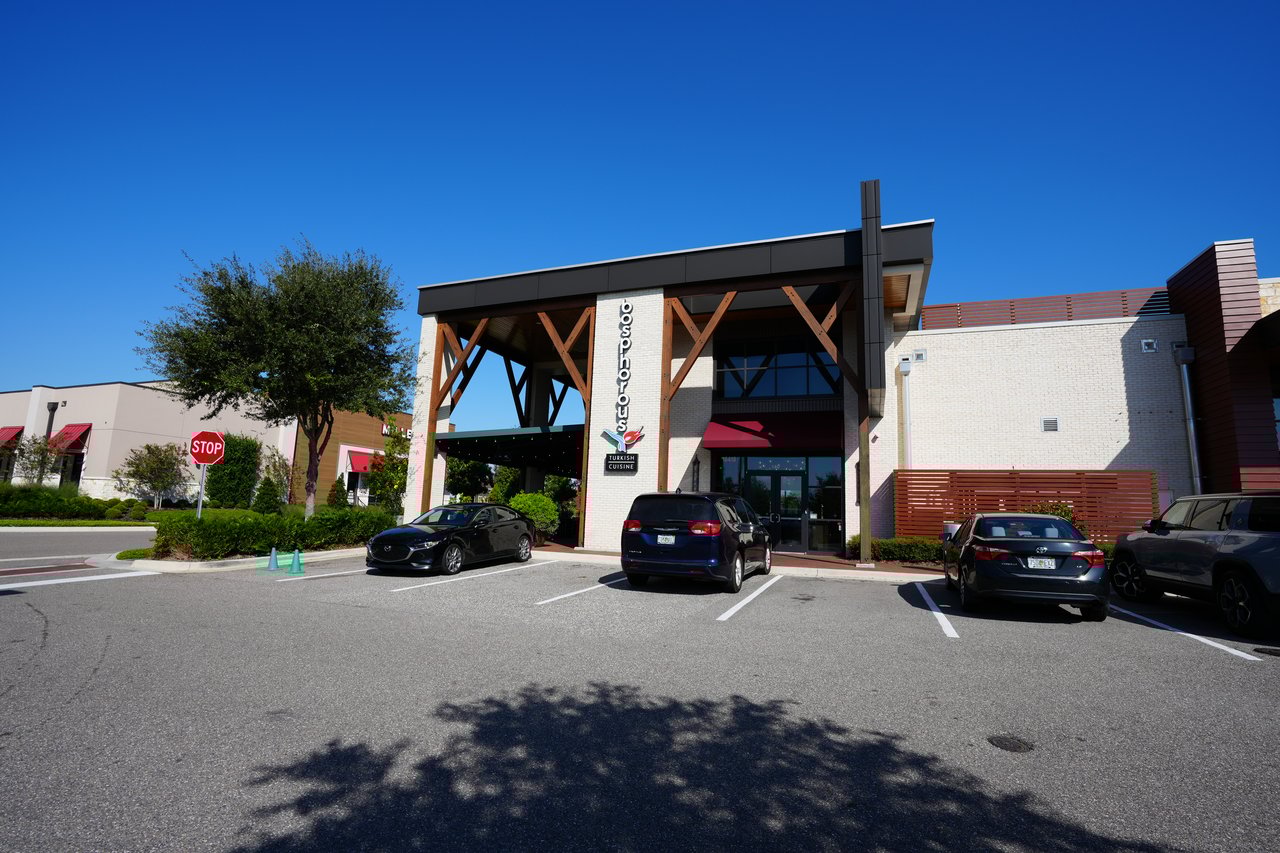
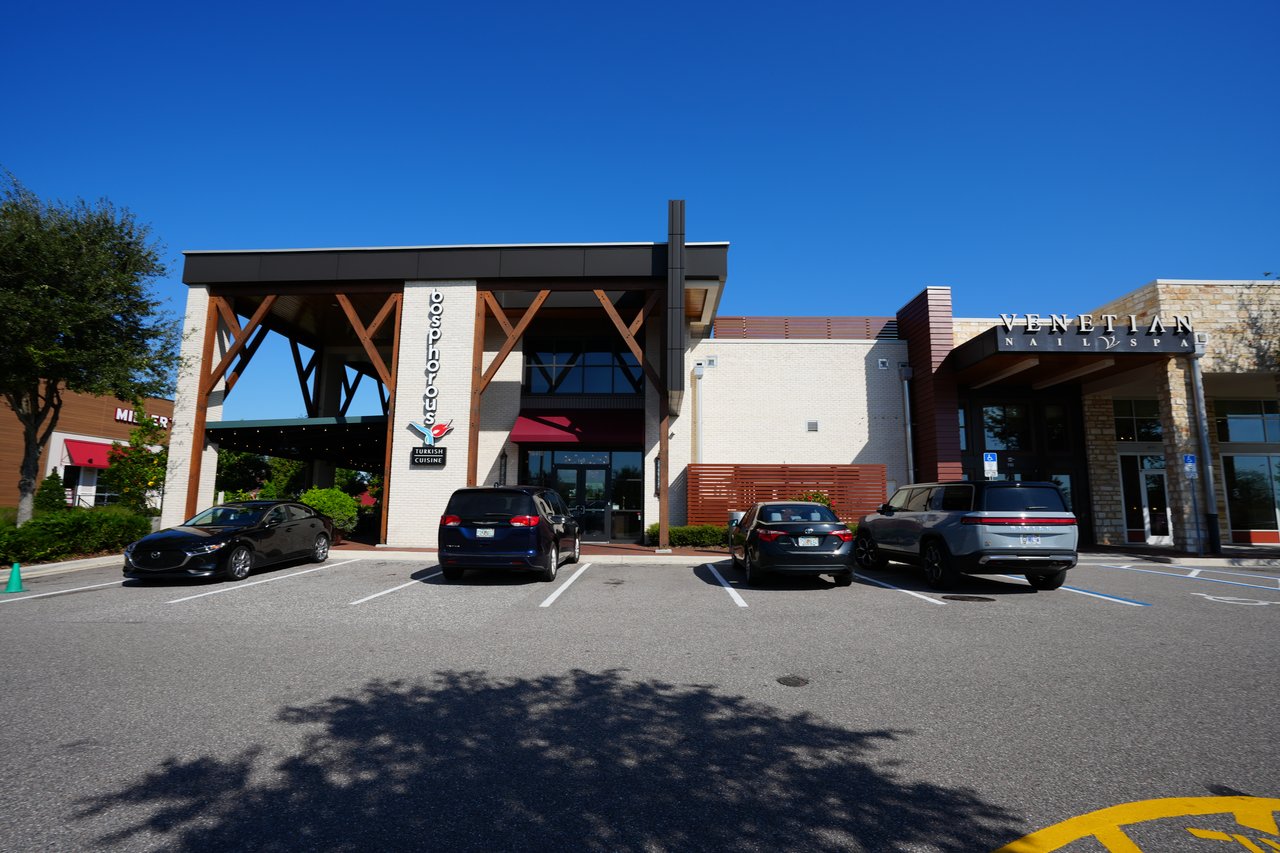

2030 Lake Fischer Cove Ln Gotha, FL 34734
2030 Lake Fischer Cove Ln Gotha, FL 34734