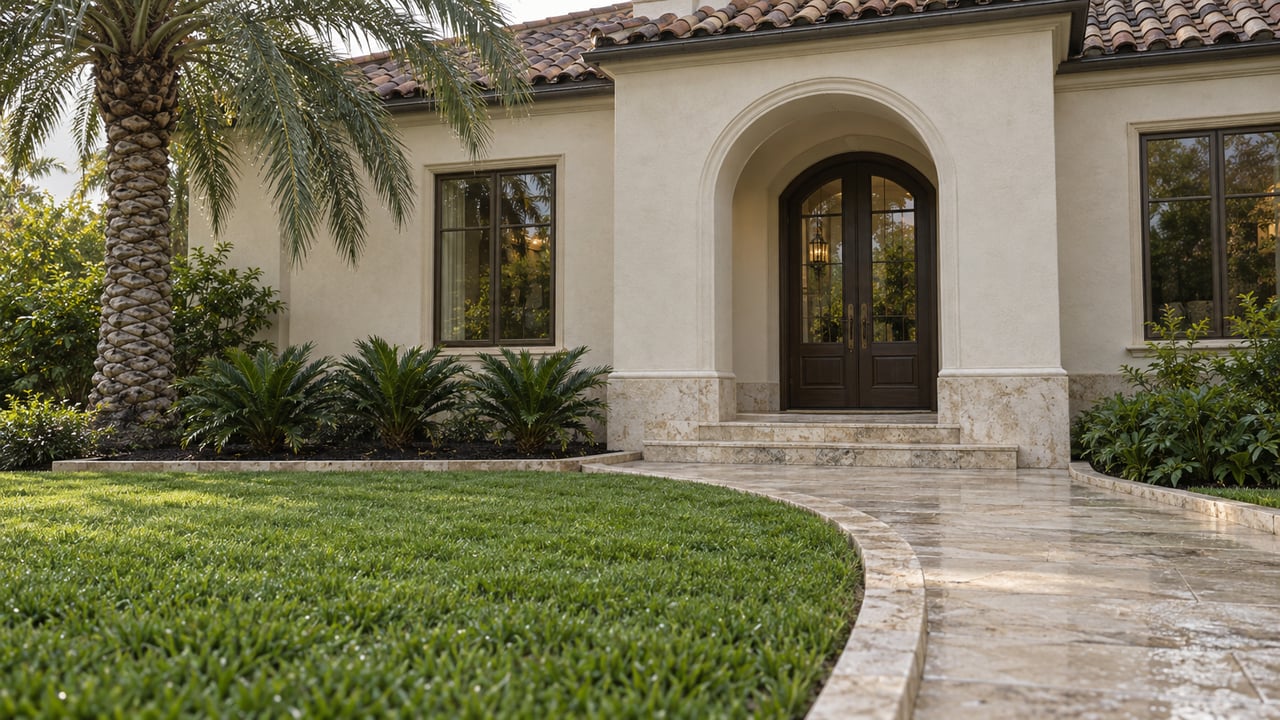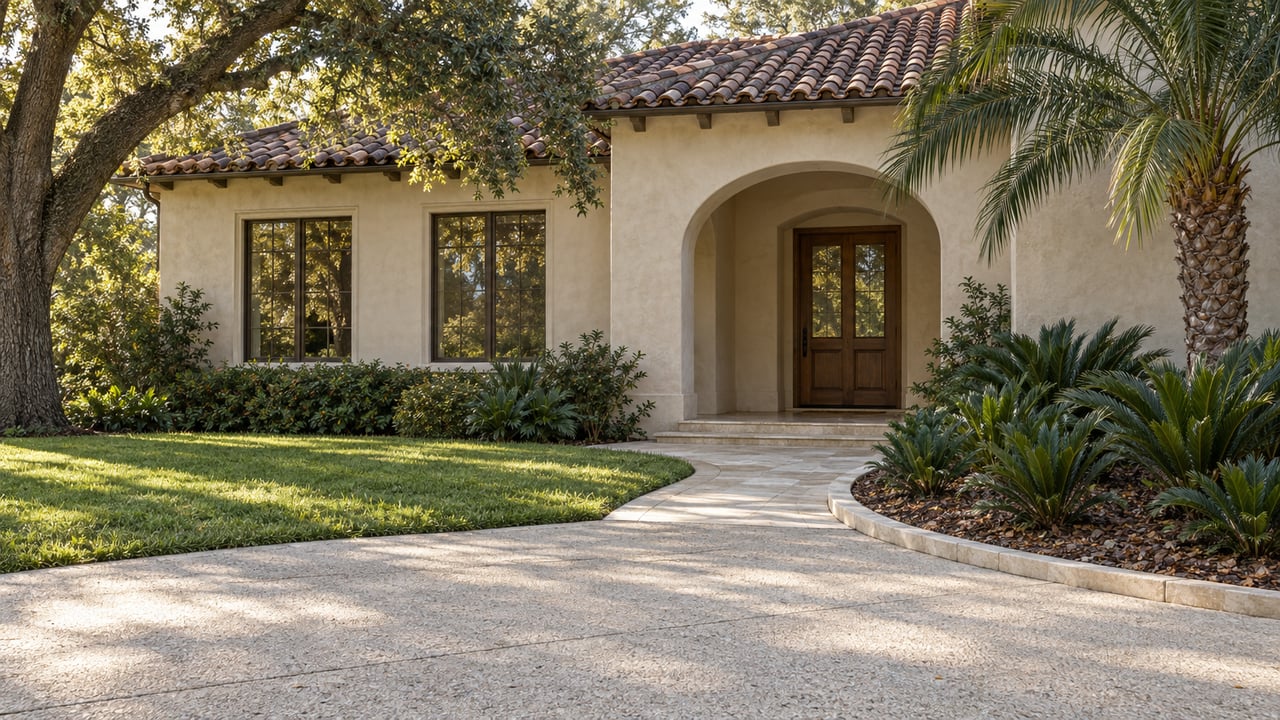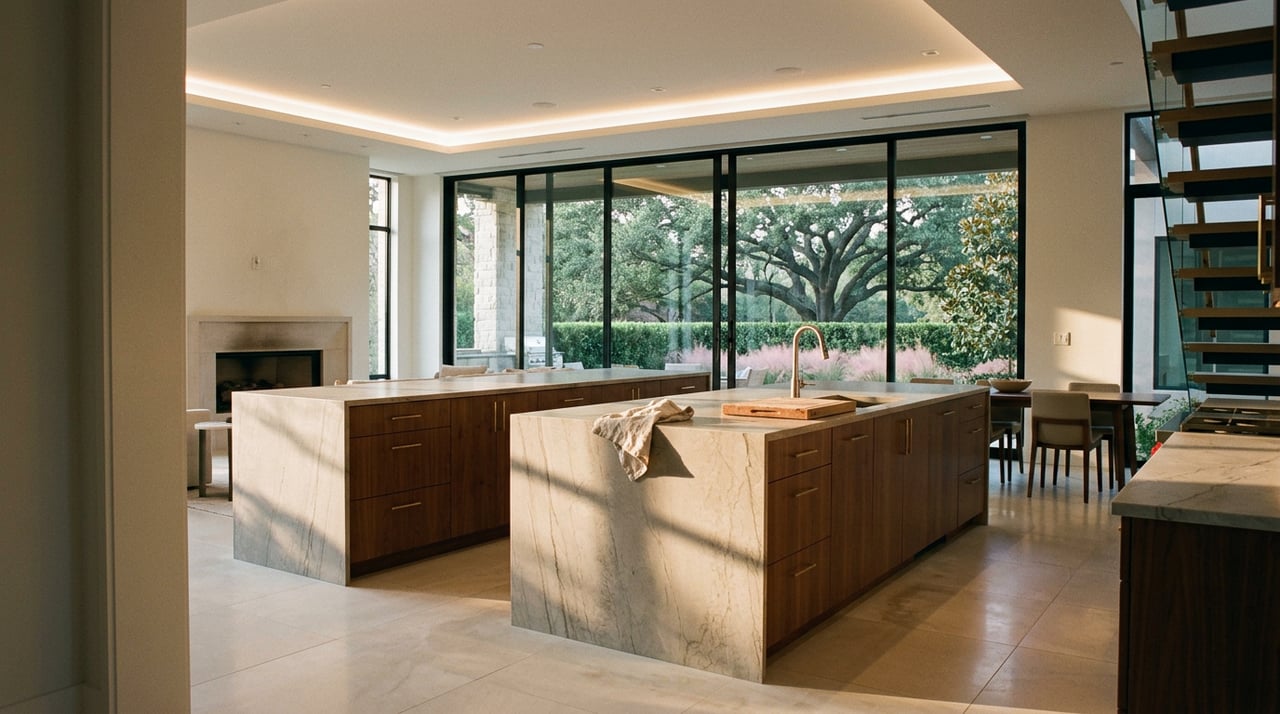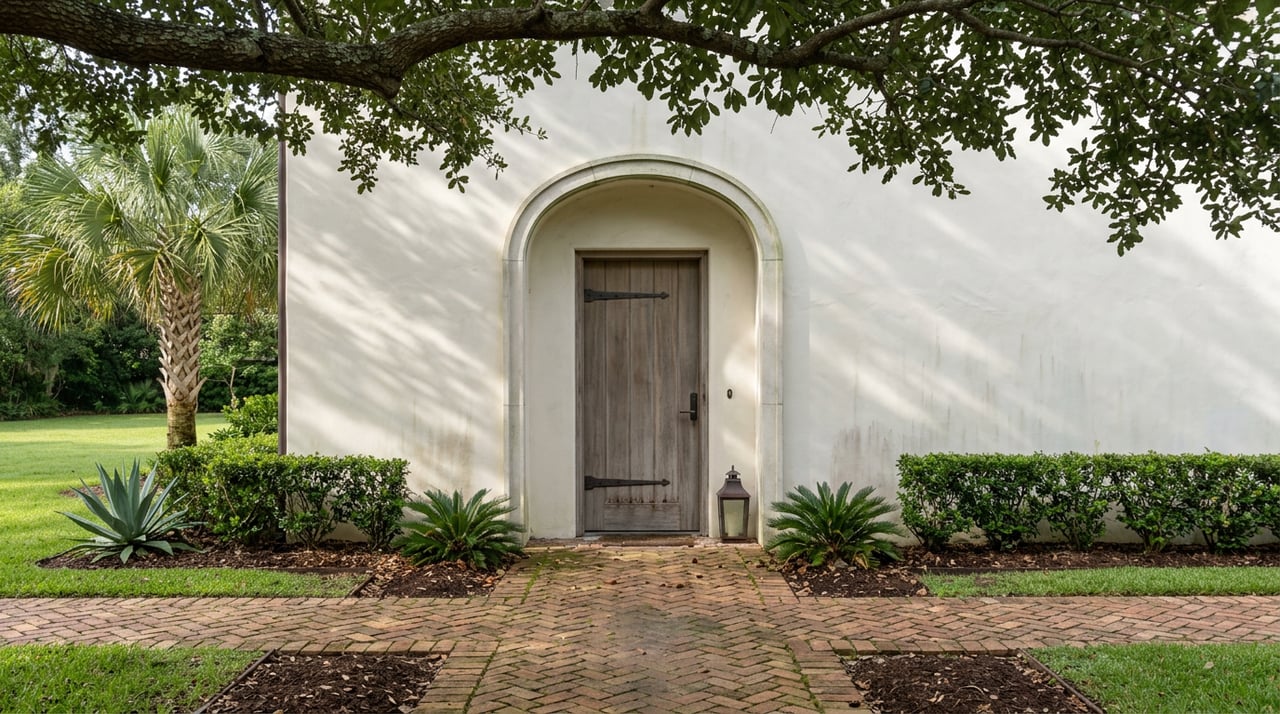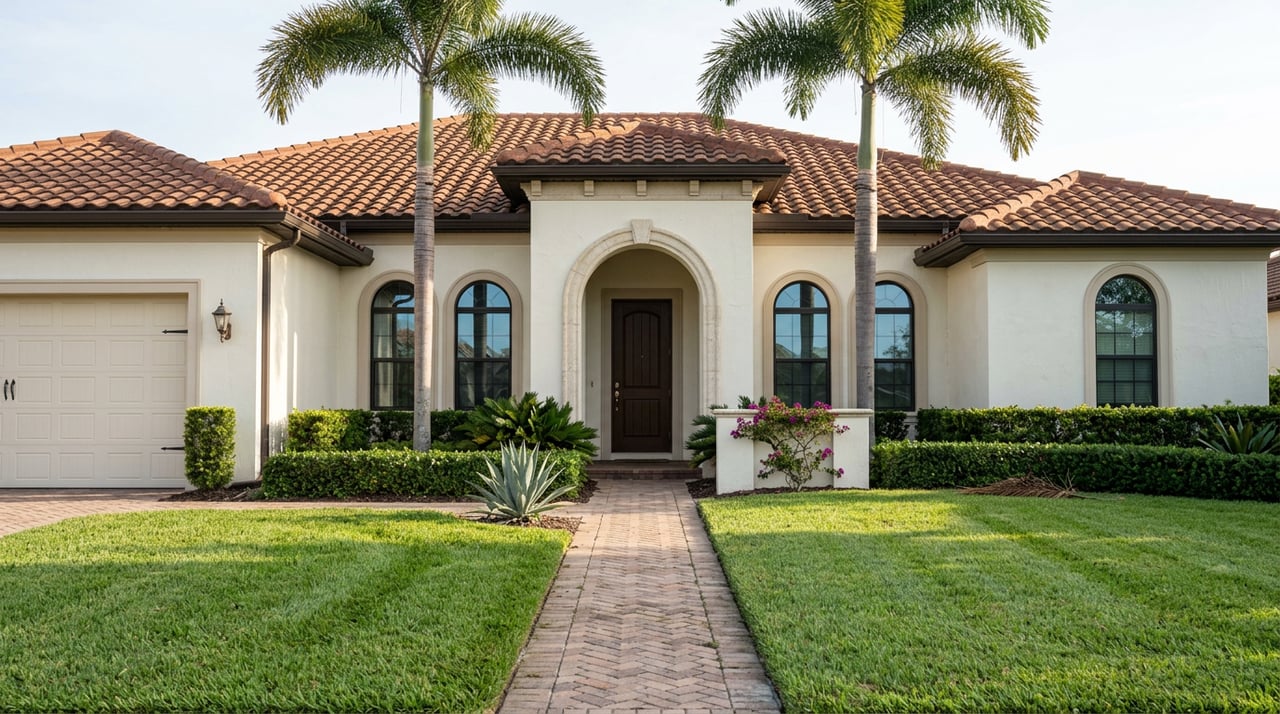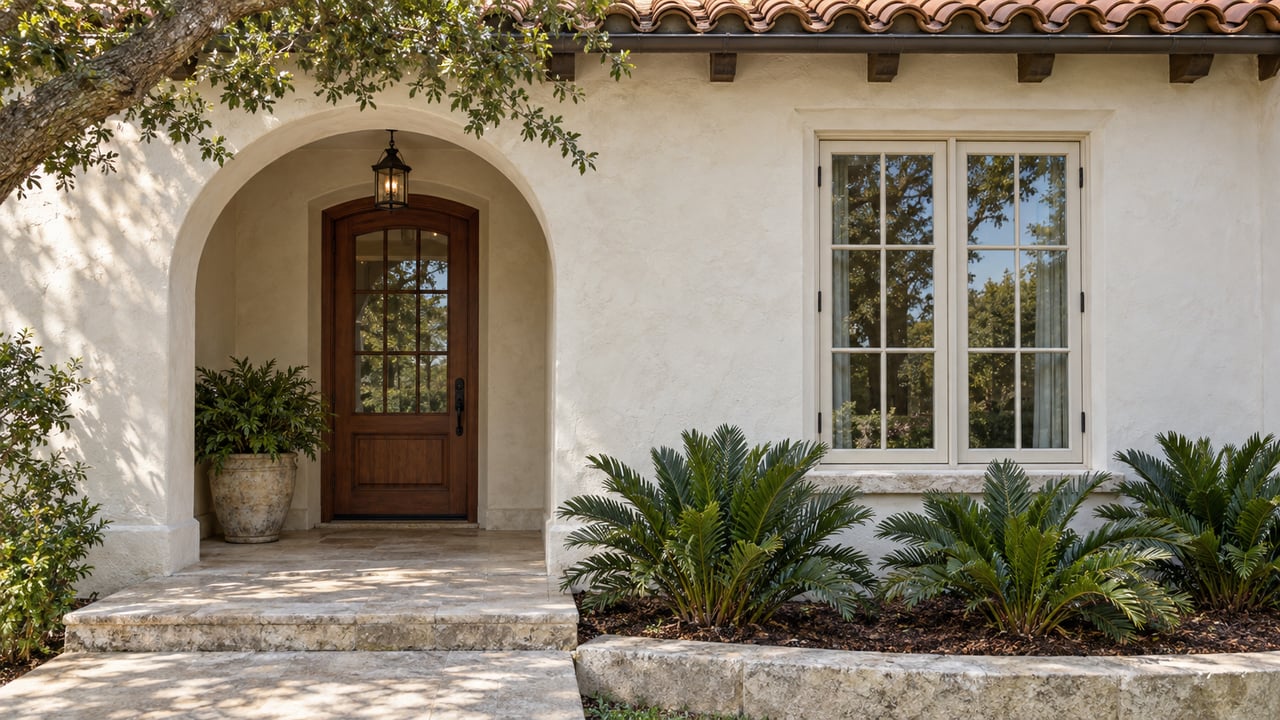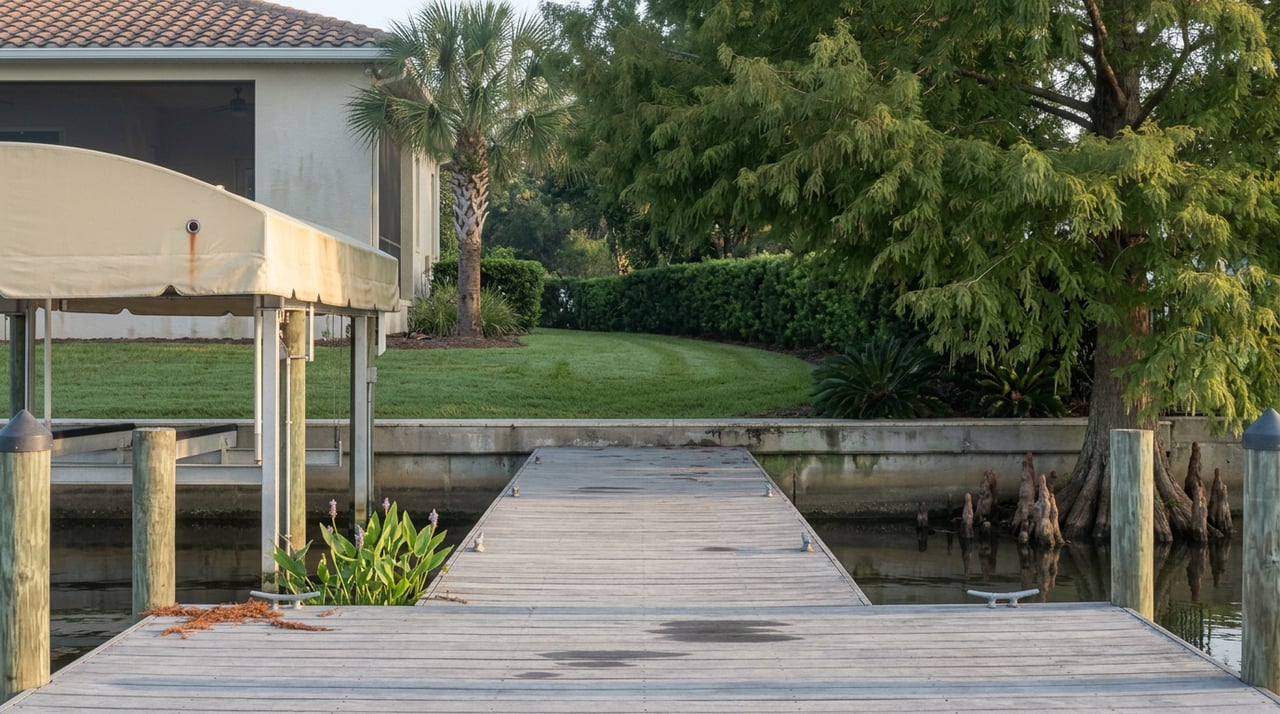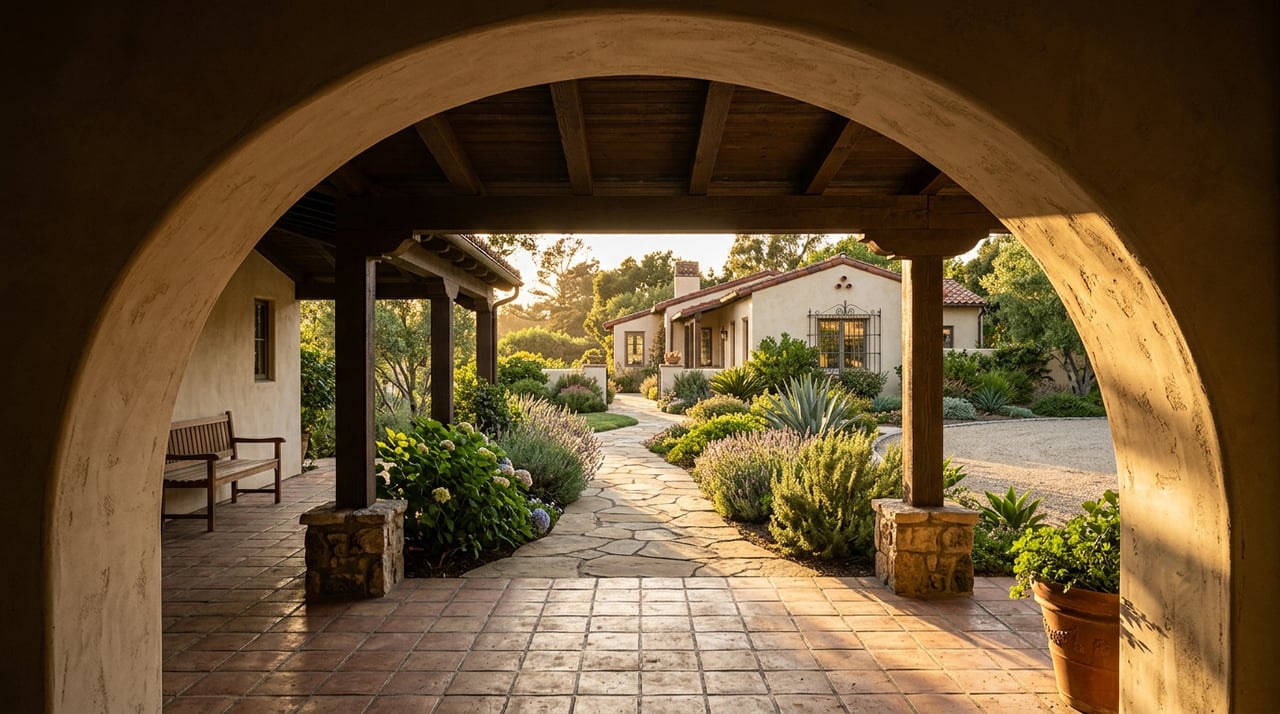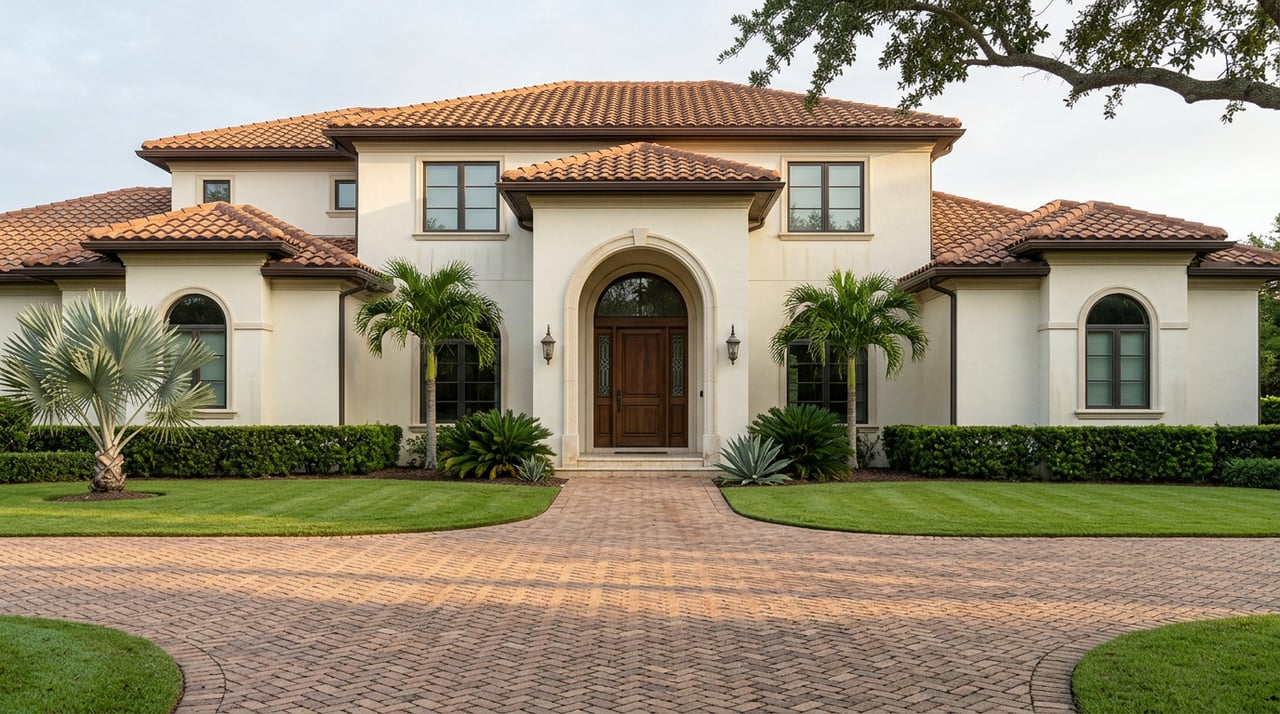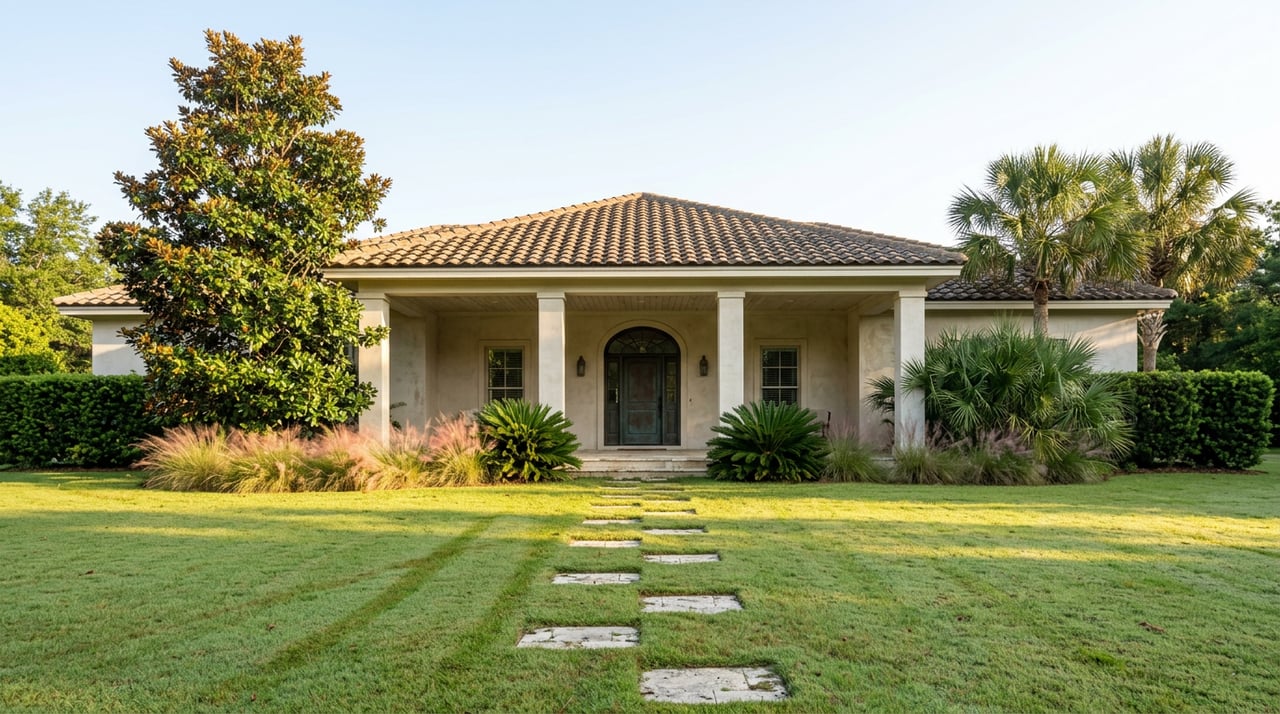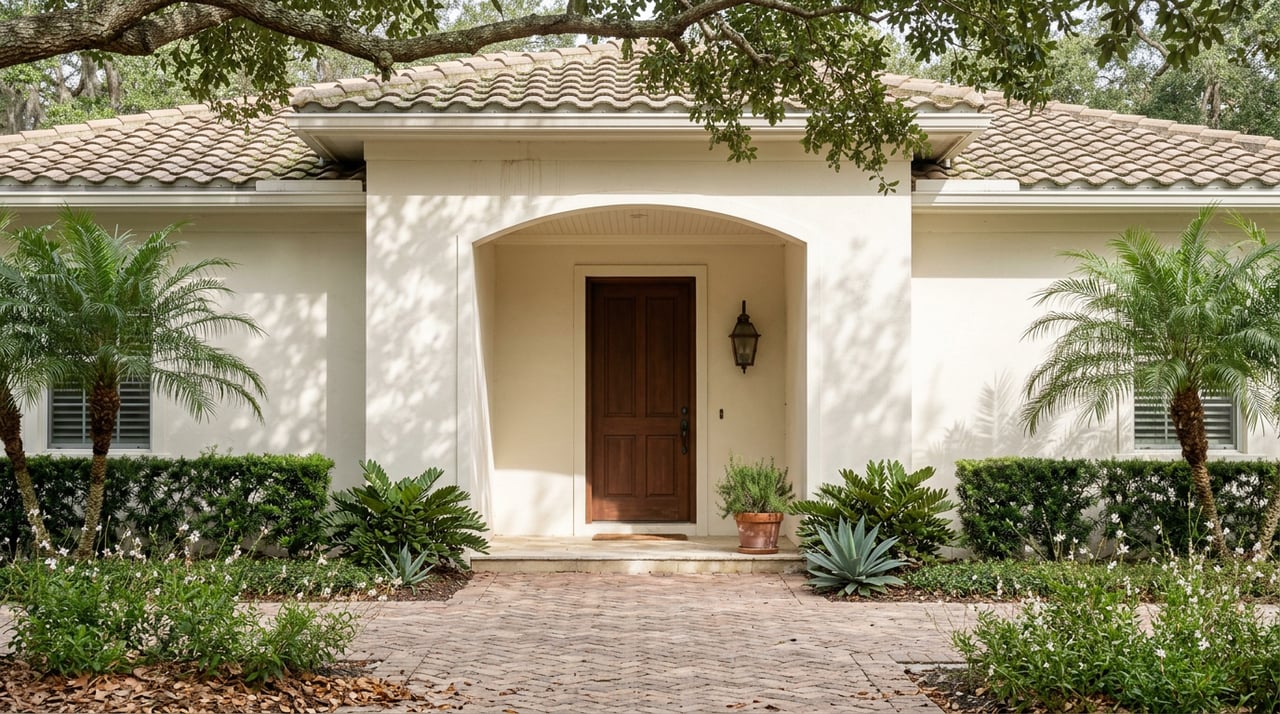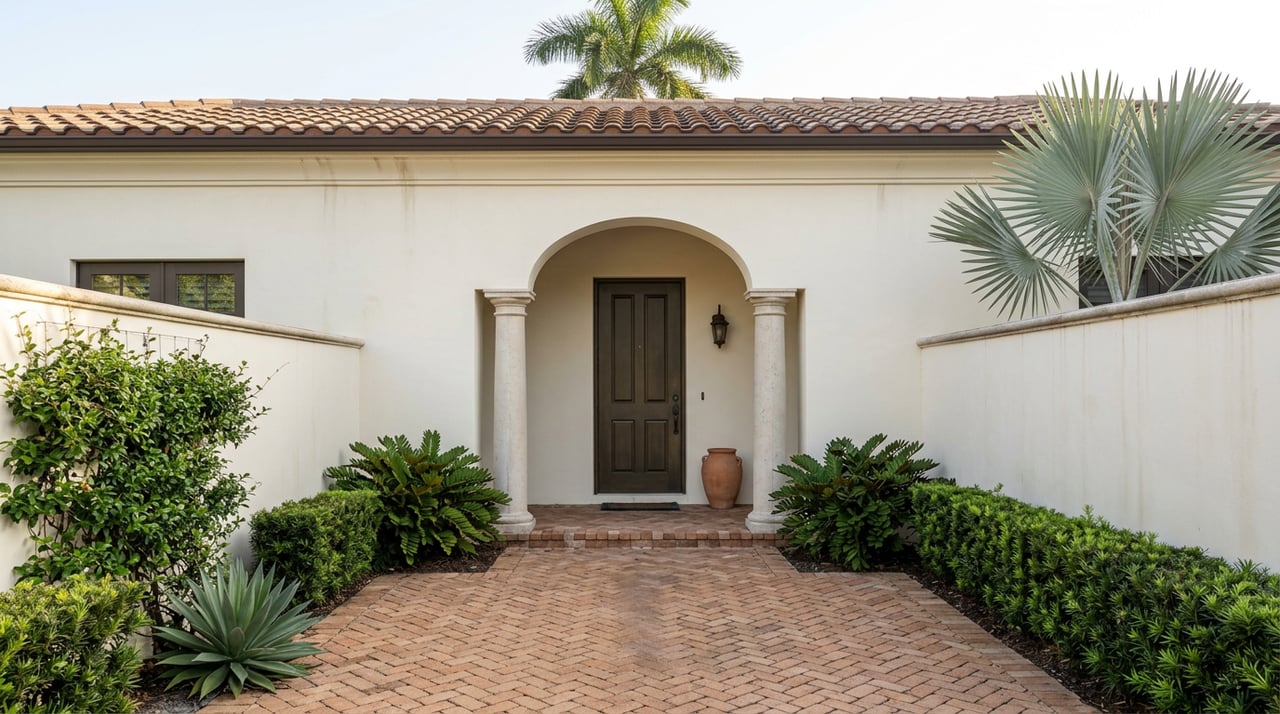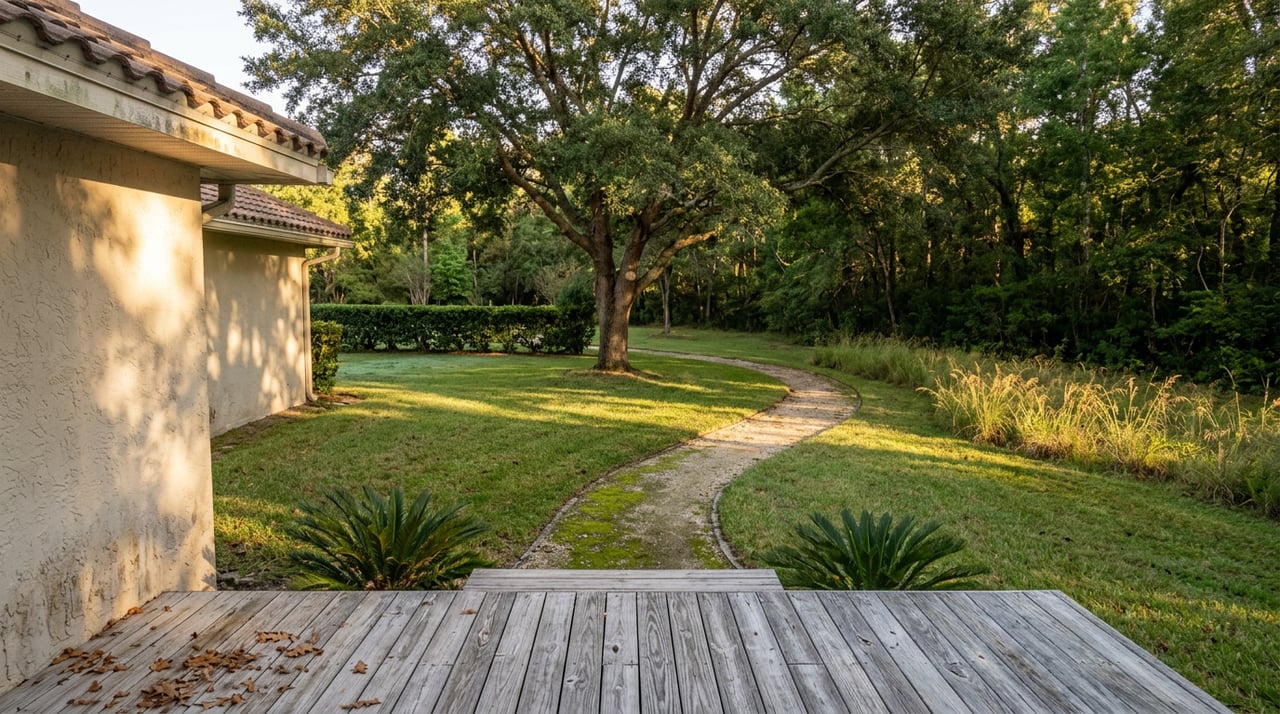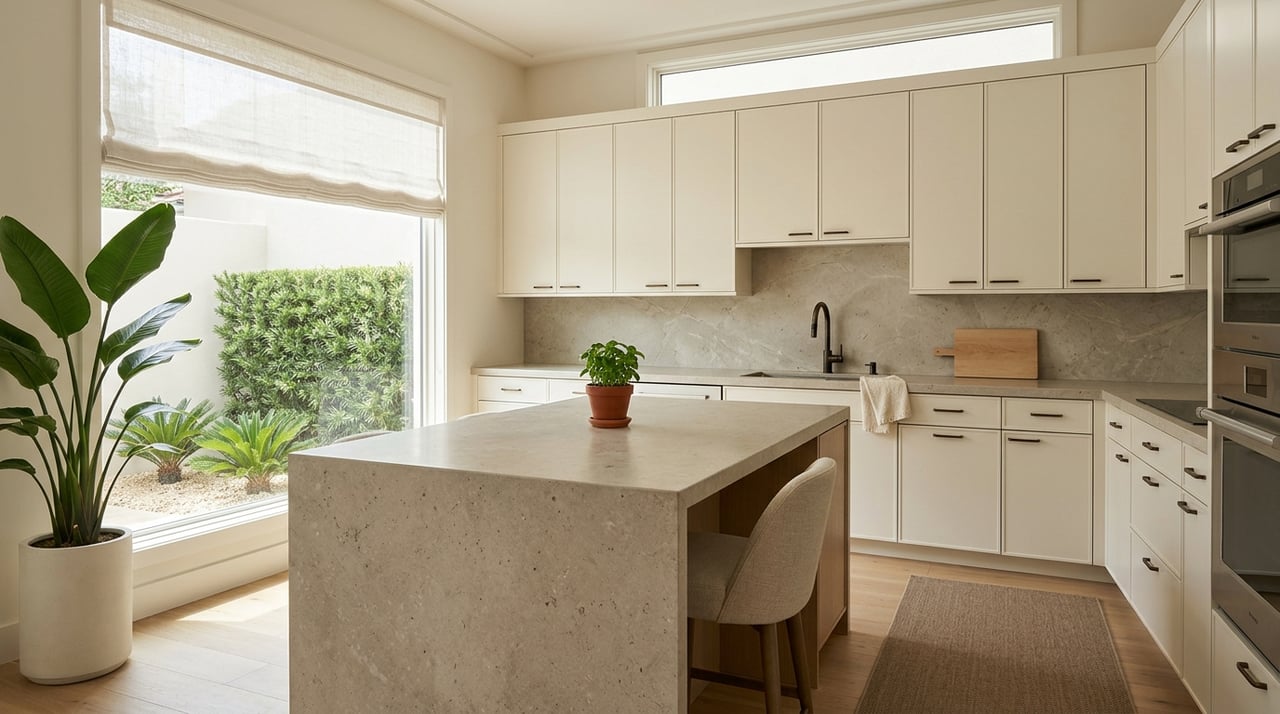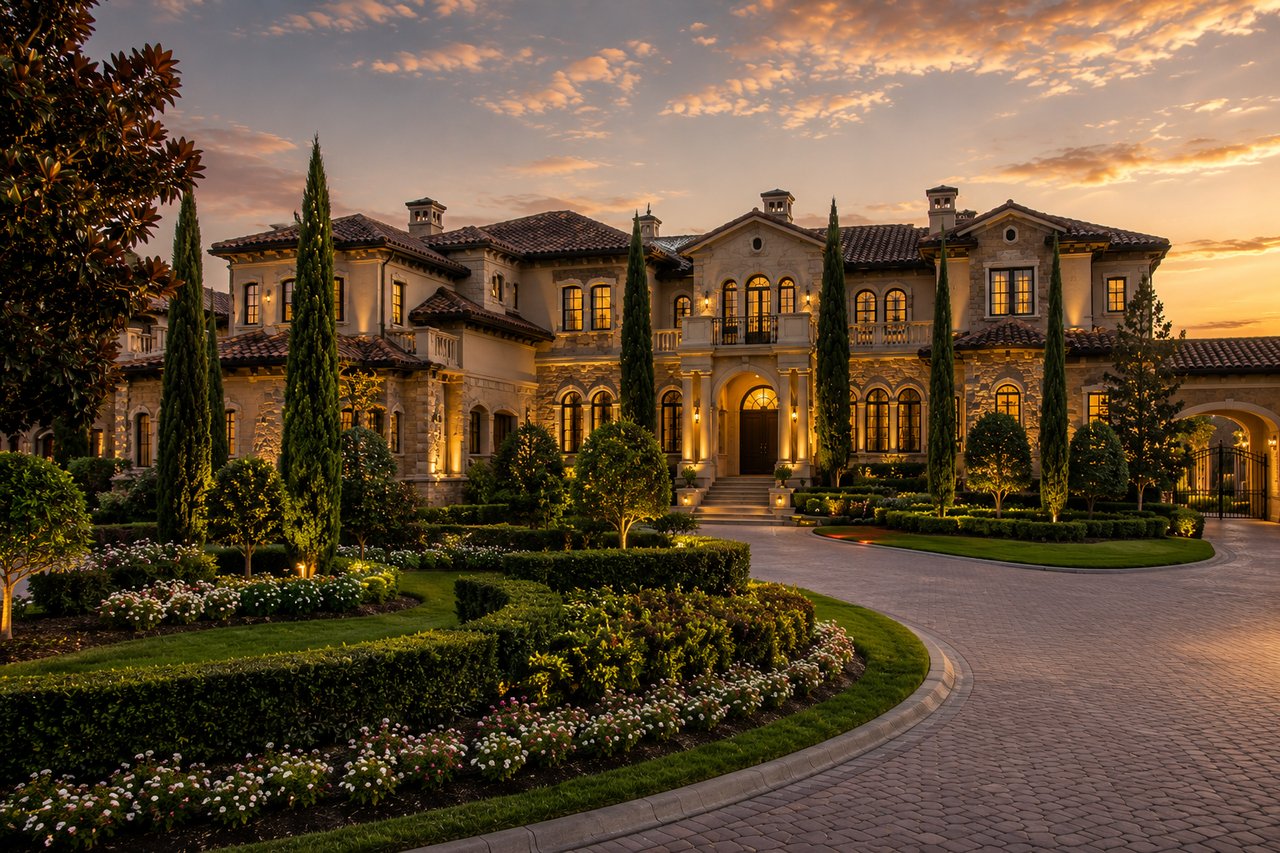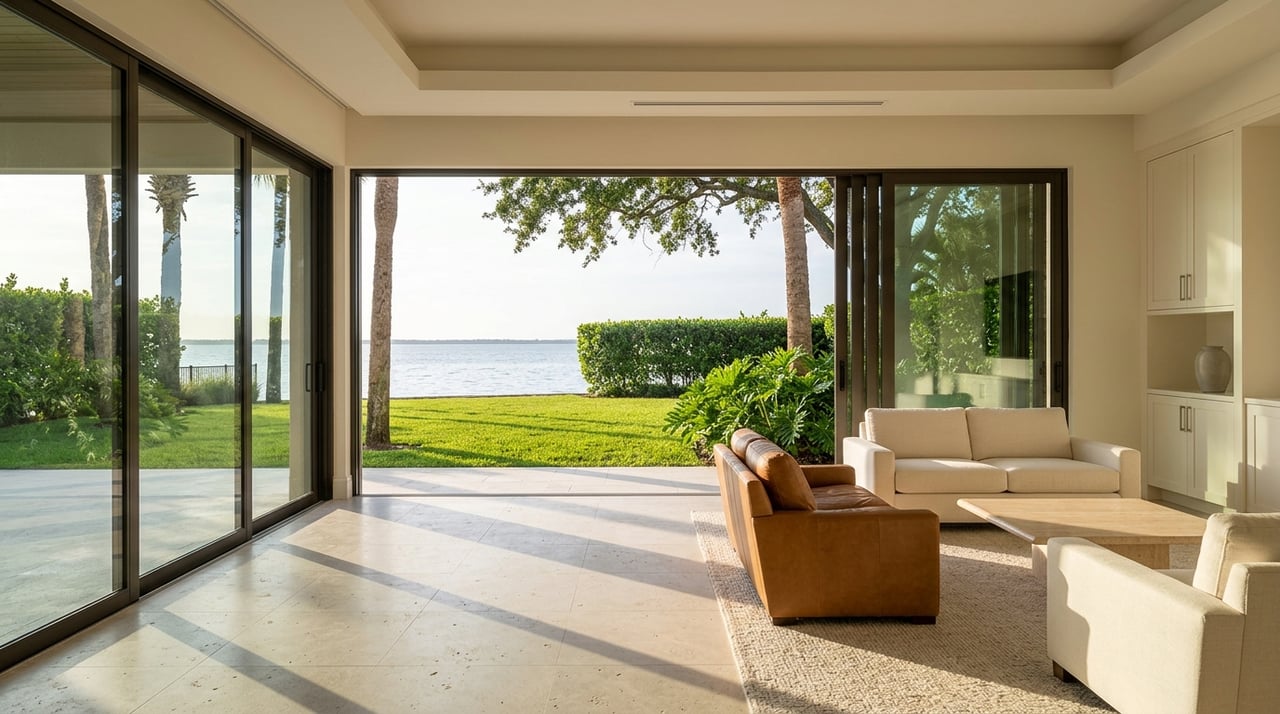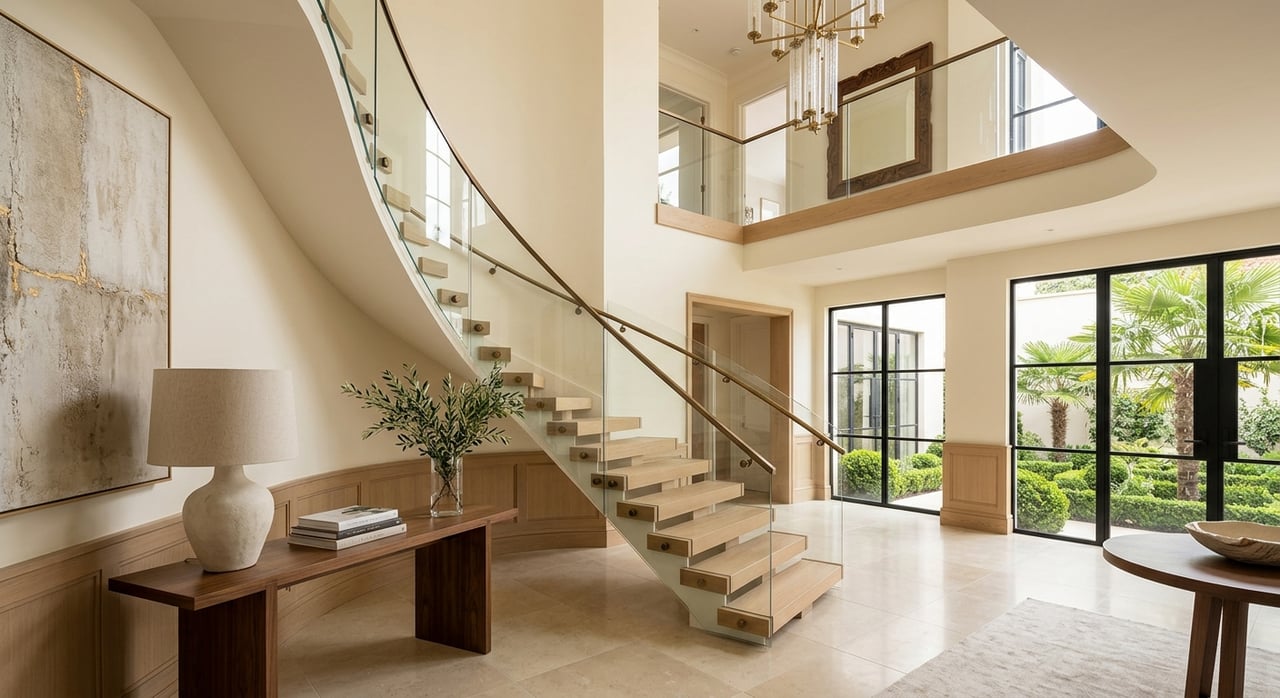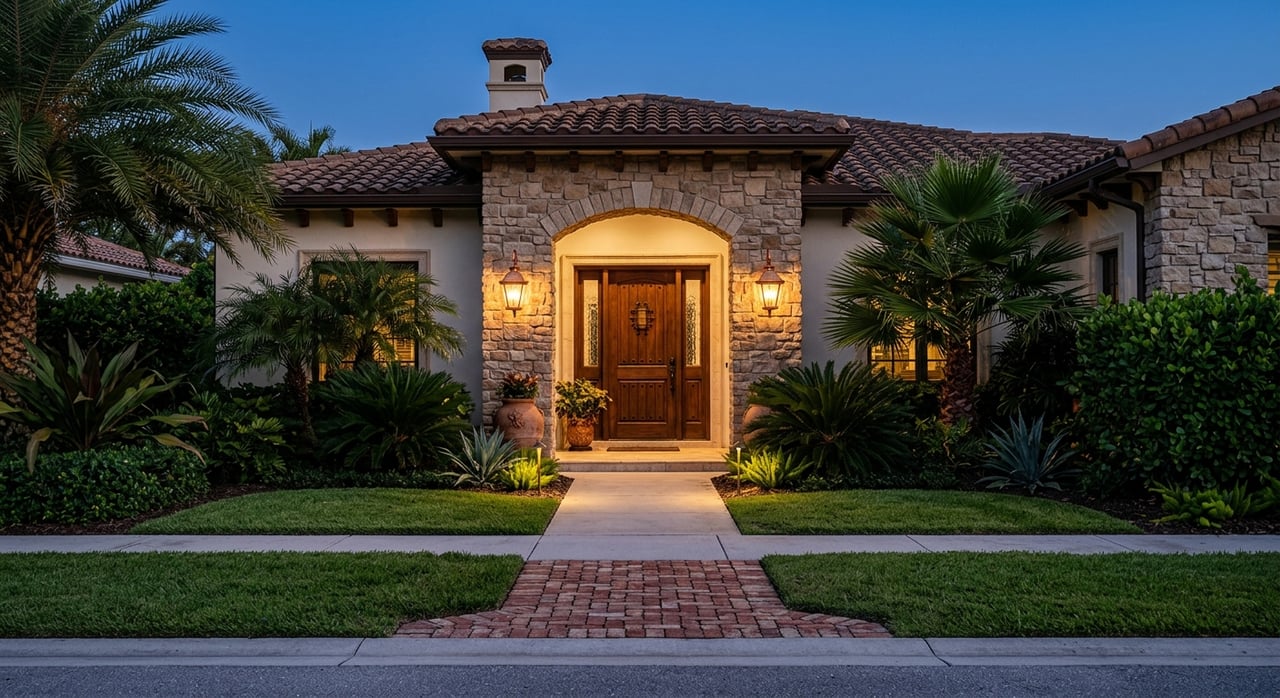
4,031 people live in Gotha, where the median age is 36.8 and the average individual income is $41,187. Data provided by the U.S. Census Bureau.
Total Population
Median Age
Population Density
Average individual Income
Gotha doesn't announce itself. There's no marquee entrance, no lifestyle branding, no master-planned identity carefully crafted by a developer's marketing team. What it has instead is something harder to manufacture: genuine character, rooted in more than a century of history, and a geographic footprint small enough that scarcity has done the work that amenity packages do elsewhere.
Tucked between Windermere to the south and Winter Garden to the north, Gotha is a census-designated place — not an incorporated city — which carries real financial implications for the people who live there. It occupies a narrow slice of Orange County where large lots, dense oak canopy, and a quiet that feels earned rather than engineered define the daily experience.
The buyers Gotha attracts tend to share a few common threads. They've typically looked at Windermere, done the math on what lakefront prestige costs, and discovered that Gotha offers a comparable school zone, similar lot sizes, and a similar sense of seclusion — at a price that leaves room to build the home they actually want. Many are professional families relocating from out of state who want the best Orange County schools without surrendering land or privacy. Others are longtime Central Florida residents who've watched Windermere and Winter Garden get built out around them and want the last pocket of breathing room the area has left.
It's not a neighborhood for everyone. The social scene is low-key to a fault, walkability is minimal outside the historic core, and the limited inventory means you don't get to be picky about timing. But for buyers who value stability, land, and a school district that has remained consistently strong without the rezoning anxiety that follows high-growth developments, Gotha is one of the most quietly compelling addresses in Orange County.
Gotha operates as a boutique micro-market, which means the rules that apply to broader Orlando real estate don't always translate here. Because the entire 34734 zip code rarely carries more than 15 active listings at any given time, a handful of high-value transactions can shift the median meaningfully in either direction. Understanding that context is essential before interpreting the numbers.
As of May 2026, the market leans seller-favorable — not because of frenzy, but because of scarcity. Correctly priced homes are moving in under 30 days. Those that aren't — typically properties with idiosyncratic floor plans, deferred maintenance, or pricing anchored to the peak of 2024 — are sitting for 60 days or more, sometimes well past 100. The gap between those two outcomes is almost entirely explained by preparation and pricing discipline.
The price range is genuinely bifurcated. Older ranch homes and established neighborhood properties start in the $500,000s. Newer construction, extensively renovated mid-century homes on larger lots, and lakefront-adjacent estates move into the $1.2 million to $2 million-plus range. The median list price as of mid-2026 sits around $742,000 — up from the low $600,000s in 2025 — driven largely by a wave of buyers purchasing older homes on large lots and modernizing them rather than reselling.
Competition is present but measured. Well-priced listings still attract multiple offers. Buyers have recovered enough leverage to negotiate minor repairs or modest price adjustments, but don't expect motivated sellers to capitulate on well-positioned homes. The scarcity that defines this market protects values on both sides of the transaction.
Gotha is doing something relatively rare in the current Florida market: it's holding its value without relying on speculation. The extreme appreciation of the early 2020s has passed, but what's replaced it isn't correction — it's stabilization with a strong structural floor.
Year-over-year median price growth has settled into a 2% to 4% range, and where data shows a dip in median price, it's a compositional story rather than a value story. When more mid-market homes transact in a given quarter than multi-million dollar estates, the median falls even if individual home values are unchanged. That distinction matters for buyers and sellers trying to read the market honestly.
The trend doing the most work in Gotha right now is what might be called "gentrification by renovation." Buyers are purchasing 1970s and 1980s ranch homes on one-plus acre lots and investing heavily in updates — not to flip, but to stay. This drives up the comparable sale floor across the neighborhood and reinforces values even in periods of lower transaction volume.
The "Windermere effect" is real and worth understanding. As Windermere reaches maximum density and its price points push further beyond the reach of the professional family buyer, Gotha captures that overflow. It offers similar school zones, similar lot character, and similar access to Orlando's employment corridors — at a price point that still allows for personalization. That dynamic is unlikely to reverse, and it provides a meaningful structural backstop against any broader softening.
Looking ahead, Gotha's large-lot zoning and Rural Settlement designation are increasingly valuable as surrounding areas build out. That constraint, which frustrates some buyers who want more inventory, is the same mechanism that keeps the market from oversupplying.
Gotha is not a place you come to find a production subdivision. The zoning doesn't allow it, and the character of the community actively resists it. What the new-build landscape offers instead is more deliberate and, for the right buyer, more rewarding.
The dominant form of new construction within Gotha proper is custom infill — buyers purchasing older homes or one of the few remaining vacant lots, then working with a regional custom builder to develop a bespoke estate. Element Home Builders is among the most active in this space, and the results tend toward Modern Farmhouse and Transitional Coastal designs that sit naturally against Gotha's wooded backdrop without forcing the Mediterranean aesthetic that dominates neighboring Windermere.
At the community level, Toll Brothers is active on the periphery, with high-end single-family estates starting at $1.2 million. National builders Pulte and Taylor Morrison have projects at the Winter Garden/Gotha border — communities like Winter Grove — where prices start in the $700,000s and buyers get new construction at a more accessible entry point while still benefiting from Gotha-adjacent school zones.
What sets new construction here apart from anything in Horizon West is lot size. Half-acre to one-plus acre lots are standard rather than exceptional. That's a genuinely rare find in modern Orange County, and for buyers who want space between themselves and their neighbors, it justifies the premium.
One important note for buyers pursuing this path: the best custom lots and spec homes in Gotha often move through local builder networks before they ever reach the MLS. Working with an agent who has active relationships in this market isn't just helpful — it's often the difference between finding something and missing it entirely.
The low-friction sales of the early 2020s have been replaced by a market that rewards preparation and penalizes wishful pricing. Gotha remains a seller's market in terms of supply and demand fundamentals, but the buyers now active in this price range are informed, well-capitalized, and not in a hurry to overpay.
The market is running on two speeds. Homes that are genuinely turnkey — updated with current design sensibility, functional outdoor living, and evidence of proper maintenance — are going under contract in under 21 days. Homes that require major updates or carry layouts that don't match current buyer expectations are sitting for 45 to 60 days or longer, even in a supply-constrained environment.
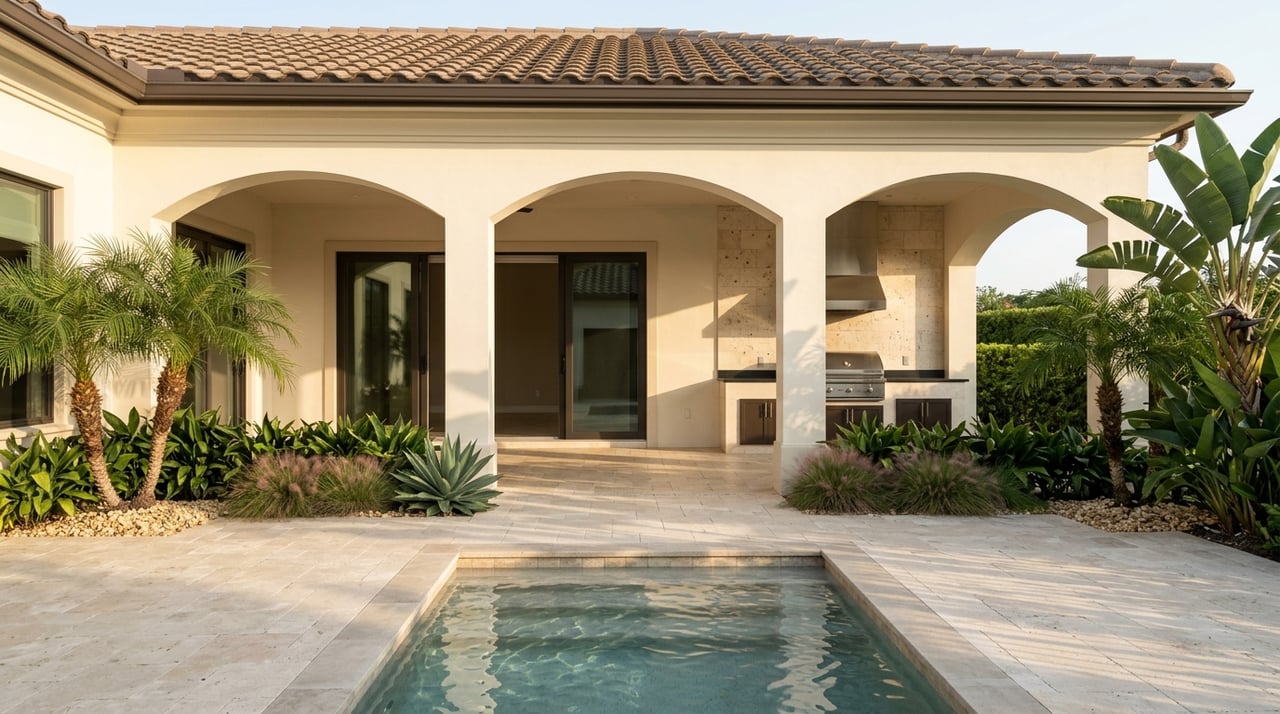
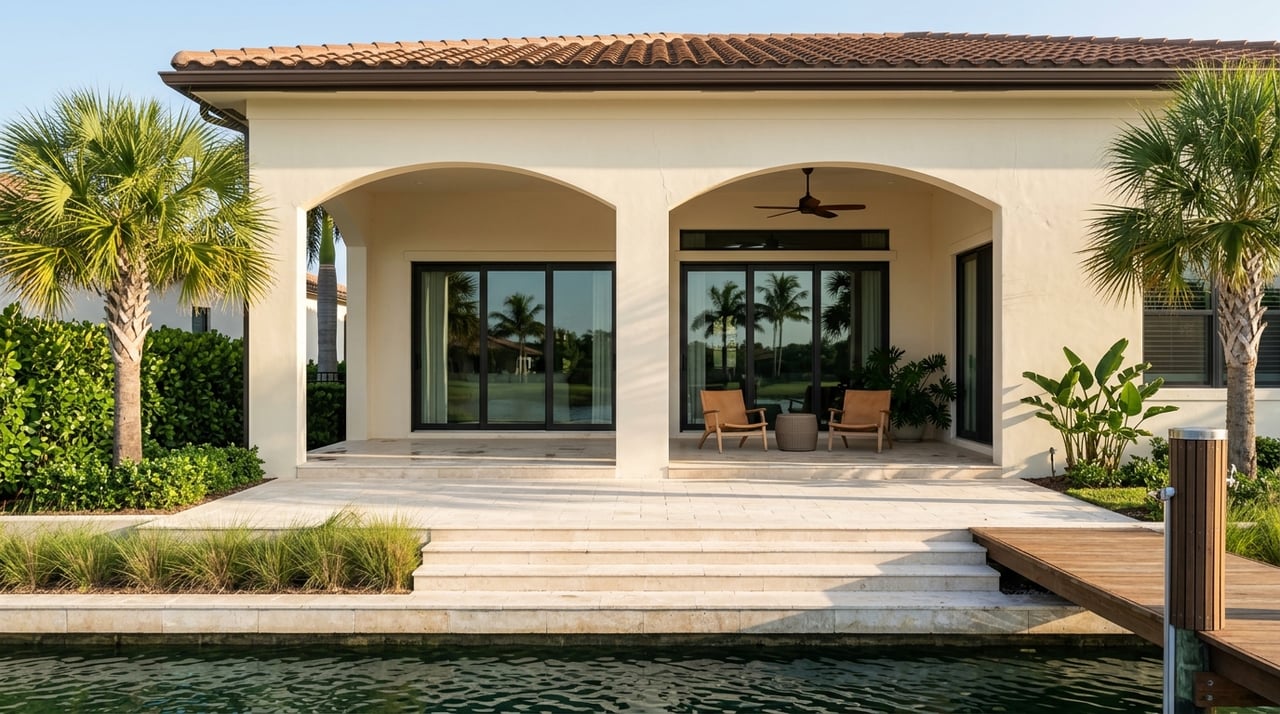
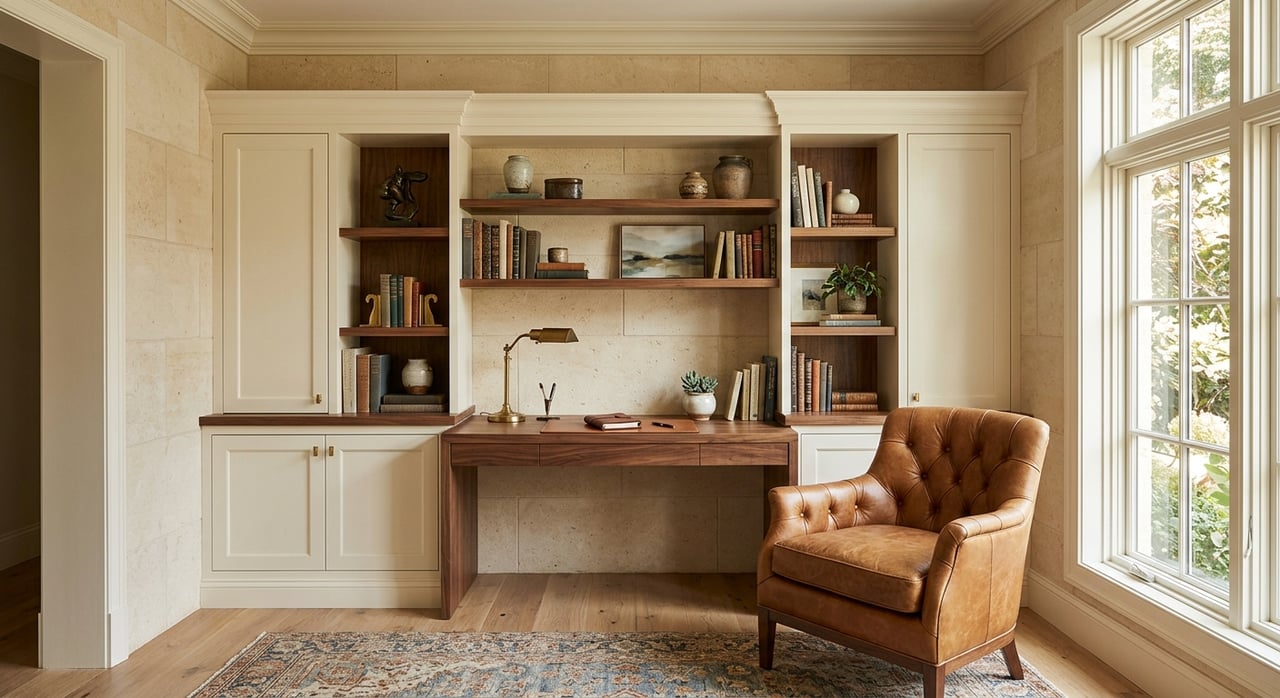
Staging expectations have shifted at the $800,000-plus price point. "Neutral" is no longer a differentiator — it's the baseline. Gotha buyers are responding to what might be called "organic luxury": natural textures, wood and stone finishes, and outdoor living spaces that feel like they belong to the wooded lot rather than sitting on top of it. Summer kitchens, screened lanais, and fire pit areas have moved from upgrade territory to assumed standard.
One selling factor unique to Gotha in 2026 is what the insurance market has done to buyer psychology. A seller who can demonstrate a post-2022 roof, impact-resistant windows, or an updated electrical panel is offering something with real dollar value — lower insurance premiums for the buyer in a state where those premiums are a live concern. Documenting those improvements in your listing package, rather than leaving buyers to discover them during inspection, can materially accelerate interest.
Pricing in a micro-market with fewer than 15 active listings is an exercise in judgment rather than formula. There simply aren't enough direct comparables to lean on the way you can in a high-volume suburb, which means the pricing strategy has to work harder than it would elsewhere.
The most important framing adjustment for Gotha sellers is the three-mile radius approach. Because inventory within the zip code is so thin, appraisers and sophisticated buyers will pull comparables from Windermere's unincorporated estates and Winter Garden's newer developments. If your property is on a lot over an acre, the relevant comp set is Windermere. If you're in a neighborhood, the relevant comp set is Winter Garden — but with a 5% to 8% premium applied for Gotha's lower density and school zone stability. Understanding which category your home falls into is the starting point for any serious pricing conversation.
The bracket strategy matters here. Most buyers search using $50,000 or $100,000 price filters, which means where your home sits relative to those thresholds affects how many people see it. A home worth $1,015,000 that lists at $999,000 appears at the top of the "under $1M" search results and the bottom of the "over $1M" results — meaningfully expanding its digital exposure compared to a $1,025,000 price that captures neither.
The 14-day signal applies in Gotha as much as anywhere else. If serious inquiries haven't materialized in the first two weeks, the market has delivered a verdict. A price correction in week three costs less — in time, carrying costs, and negotiating leverage — than a larger correction in week eight after the listing has accumulated days on market that buyers will use against you.
One Gotha-specific consideration worth raising: if you own an older home on two or more acres, the lot itself may carry comparable or greater value to the structure. Framing the listing around land bank potential and ADU opportunity — a genuine high-demand feature among multi-generational buyers in 2026 — can open your buyer pool in ways that a purely structure-focused approach won't.
Gotha is a low-velocity, high-conviction market. Homes don't change hands every week, but when they do, the buyers on the other side are typically well-prepared and financially serious. That context shapes what a competitive offer looks like.
Escalation clauses are common and appropriate for well-priced listings. Given the limited inventory, a property that hits the market correctly will attract attention from multiple buyers simultaneously. Set the escalation increment at $5,000 to $10,000 — the buyer pool here is sophisticated, and smaller increments read as tactical rather than committed.
The defining advantage in this market isn't always price. Gotha sellers, many of whom have held their homes for a decade or more, tend to prioritize certainty. A clean offer — shortened inspection period, pre-appraisal gap guarantee, and clear financing documentation — routinely outperforms higher offers weighted down with contingencies. In a market where the seller can afford to wait for the right buyer, removing friction is a more reliable strategy than adding dollars.
Florida's insurance environment has introduced a relatively new variable: proof of insurability. Savvy buyers in 2026 are including a contingency tied to an acceptable wind mitigation report, and sellers who have proactively obtained that documentation are seeing faster, smoother closings as a result. If you're a buyer, asking your agent to request this upfront can save significant time during due diligence.
Perhaps the most important piece of tactical advice for this market: many Gotha sales happen before a property ever reaches the MLS. The Gotha Rural Association network and long-standing relationships between local agents and homeowners on large lots mean that off-market opportunities are real here. Working with an agent who is proactively reaching out to likely sellers — rather than waiting for the listing to appear — is not a luxury; it's the strategy that gets results in this environment.
Gotha's architectural identity is a genuine mismatch, and it's better for it. Unlike Windermere's broadly consistent Mediterranean palette or Horizon West's modern farmhouse uniformity, Gotha holds several distinct eras of residential design simultaneously — some of them layered on the same street.
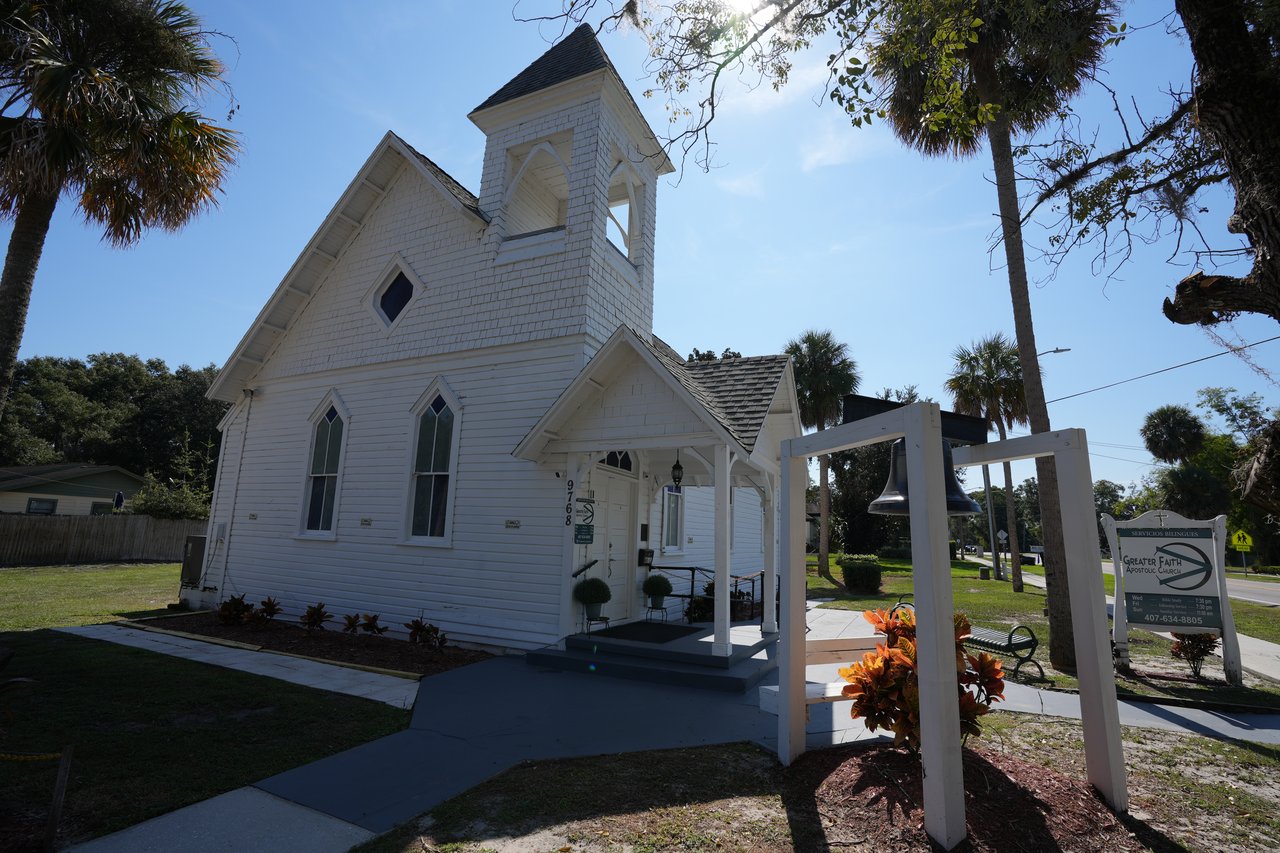
The oldest homes, concentrated near the historic town center along Hempel Avenue, carry the influence of the town's German founders: steeper roof pitches, heavier wooded details, and a structural seriousness that reads as European even without obvious ornamentation. Turner Hall itself reflects this lineage. These properties are rare and are rarely listed, but they establish the neighborhood's deeper character for anyone paying attention.
The most common housing stock is the mid-century ranch — single-story homes built between the 1960s and 1980s on lots that would be subdivided into three or four parcels in any other Orange County suburb. Low-slung, horizontal, and often positioned to maximize canopy coverage rather than curb appeal, these homes are the primary renovation target in today's market. Buyers are gutting and modernizing them while preserving the lot size and setback that make Gotha worth buying into in the first place.
Newer builds and recent renovations are trending toward Transitional Luxury — a blend of Modern Farmhouse structure with stone accents, clean geometric lines, and expansive glazing designed to bring the wooded exterior into the living space. This is "woods over water" thinking: where Windermere orients the home toward the lake, Gotha orients it toward the canopy.
Practical buyers should note a few things specific to the older homes here. Gotha's rolling terrain creates drainage patterns that were never fully addressed by mid-century construction standards. When touring any home built before 1990, give the foundation and crawl spaces real attention — not because problems are universal, but because they're specific to this geography and worth knowing about before an offer is written.
Gotha is car-dependent. That's not a criticism — it's a structural reality of a Rural Settlement with low density and minimal commercial infrastructure. The trade-off is what makes the community what it is, and most buyers arriving here have already made peace with it.
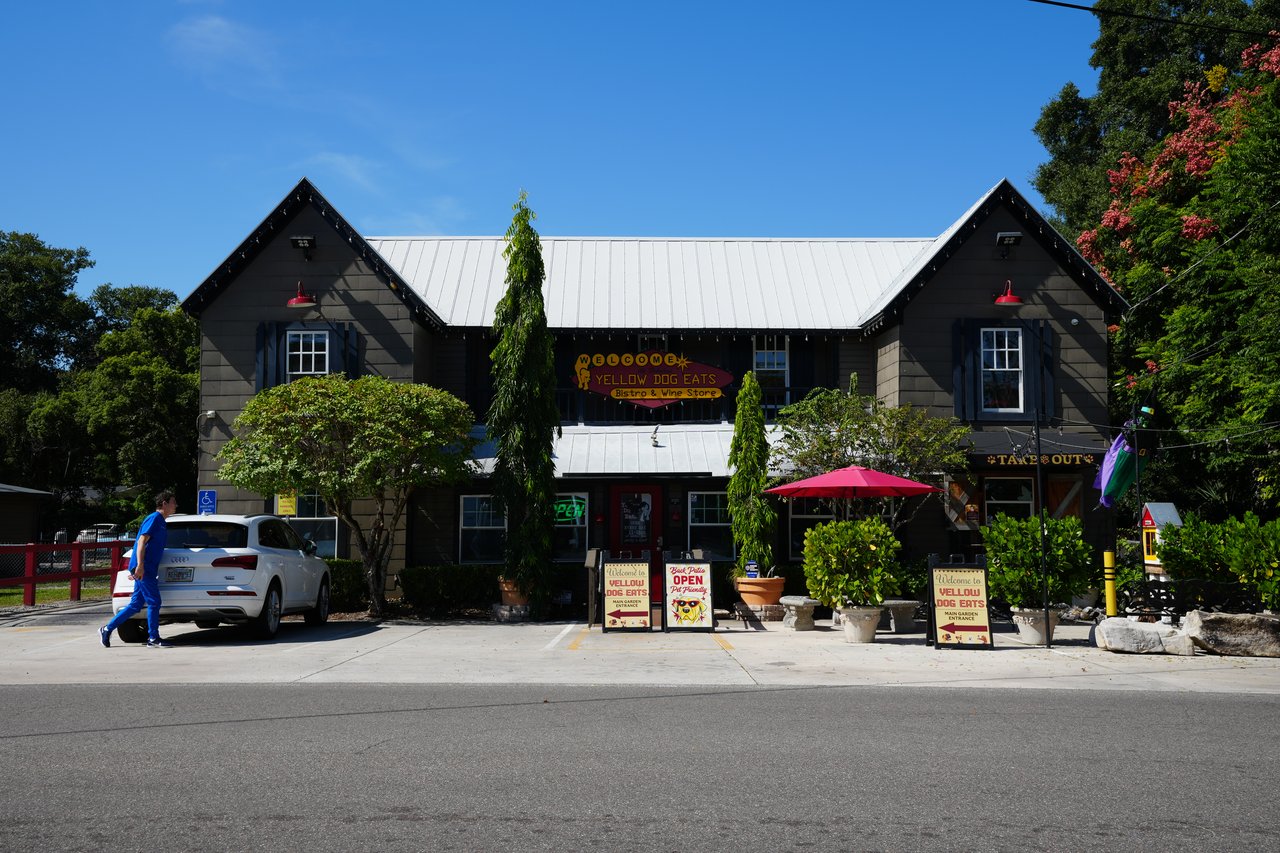
The partial exception is the historic core near Hempel Avenue, where a resident can walk to Yellow Dog Eats and experience a genuine neighborhood-scale social moment. But daily errands, school runs, and anything resembling retail require a vehicle.
What Gotha offers in place of walkability is commute efficiency that surprises most people who haven't studied the map carefully. The community sits at the intersection of SR-408 and Florida's Turnpike, which puts Downtown Orlando at roughly 15 minutes, Walt Disney World and the tourism corridor at 15 to 20 minutes, and Lake Nona's Medical City at approximately 30 minutes via SR-417. For a community that feels as secluded as Gotha does, that access to Orlando's major employment centers is genuinely uncommon.
The West Orange Trail is Gotha's most underappreciated infrastructure asset. The 22-mile paved rail-trail is accessible nearby and connects residents by bike to downtown Winter Garden, Apopka, and beyond. Over 5% of Gotha residents use bikes for local commuting or recreation — a rate significantly higher than the Florida average and a meaningful quality-of-life feature for active households.
Public transit exists in the form of Lynx Bus Route 54, which provides a direct link to downtown Orlando. It's rarely used by the professional demographic moving into the area, but its presence is worth noting for households with varied transportation needs.
The school zone is, for many Gotha buyers, the non-negotiable. It sits at the center of the value proposition, and the stability of those assignments over time — in a county where rapid growth regularly forces rezoning — is part of what justifies the premium.
Gotha is served by Orange County Public Schools. At the elementary level, Thornebrooke Elementary consistently earns a 9 or 10 out of 10 in state rankings, with strong parent involvement and a well-regarded STEAM program. At the middle school level, Gotha Middle School sits in the 7 to 8 range — a solid standing, particularly noted for its visual and performing arts programs. Olympia High School is the A-rated destination for high school students, carrying a strong AP program, a sprawling campus, and a long-established athletic tradition.
On the private side, Gotha's central location is a genuine logistical advantage. The First Academy, Windermere Preparatory School, and Foundation Academy are all within a 10-minute drive, making Gotha one of the most accessible addresses in Central Florida for families who want optionality between the public and private systems.
One practical warning: Gotha's boundaries are not always intuitive. The community sits within an unincorporated pocket, and some addresses that feel geographically like Gotha are actually zoned for Ocoee schools rather than the Thornebrooke and Olympia pipeline. Before writing an offer, verify the specific address on the OCPS "Find My School" portal. That single step can protect both your expectations and your resale value.
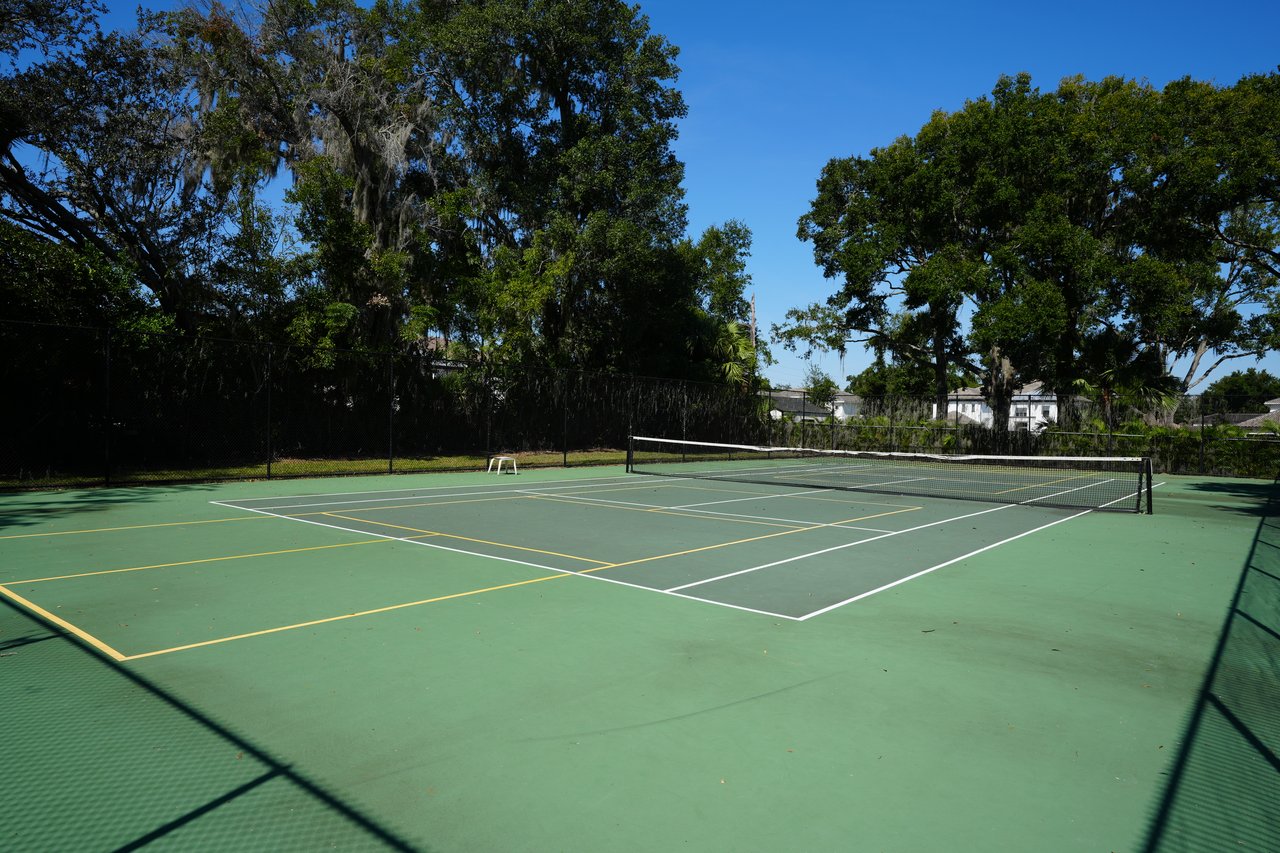
The outdoor life in Gotha doesn't require a park. The wooded lots, quiet roads, and rural-settlement character mean that the landscape itself functions as the recreational infrastructure for much of the community. That said, there are specific amenities worth knowing.
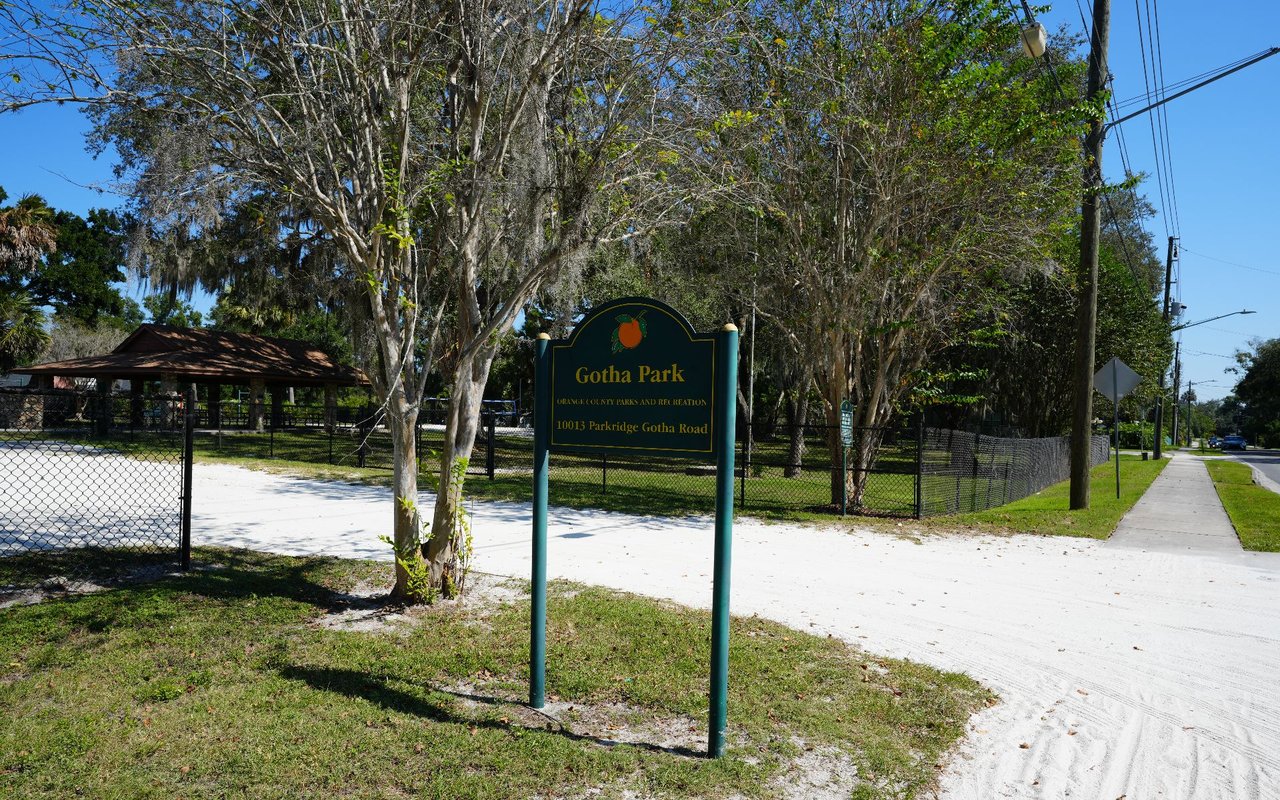
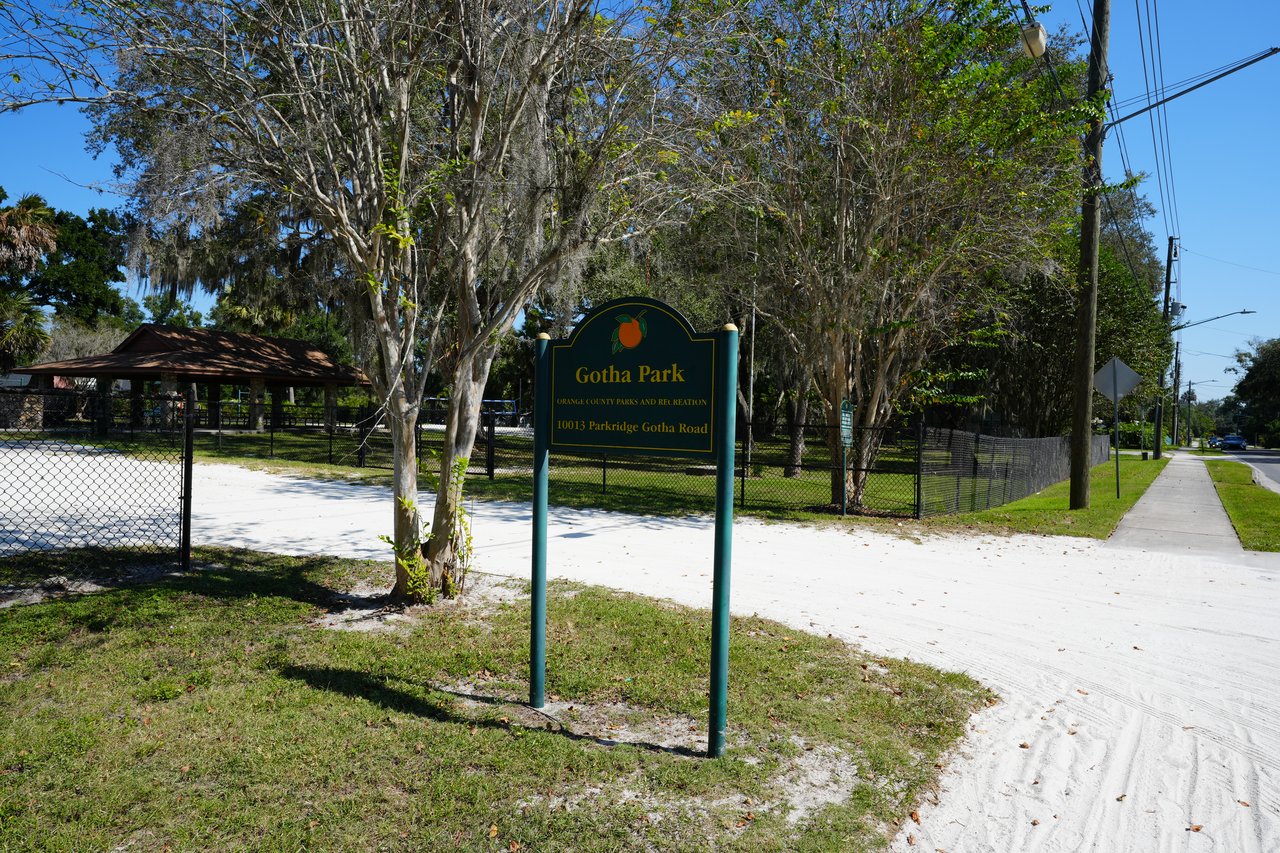
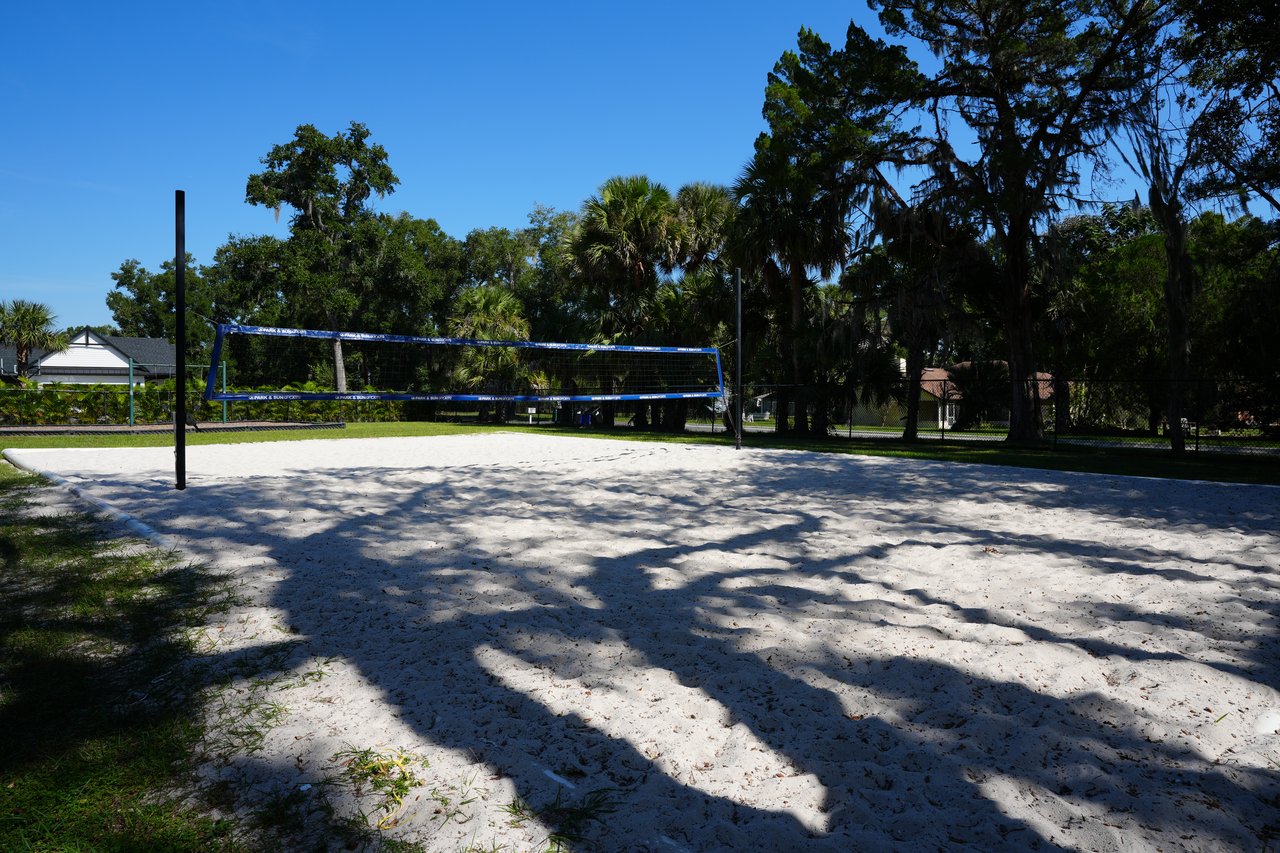
Nehrling Gardens is the neighborhood's horticultural anchor — a six-acre historic estate with shaded botanical trails and a community plant sale culture that has persisted for decades. It's a favorite for families who want an educational, quiet outdoor experience rather than a playground or athletic facility. Gotha Park on Park Ridge Road is the primary community recreation hub: a fully fenced, 1.5-acre facility with a shaded playground, sand volleyball court, and a covered pavilion.
For water access, Gotha borders the Butler Chain of Lakes without sitting directly on it, which means residents access elite boating through nearby public ramps — most notably R.D. Keene Park — without paying lakefront property taxes. The West Orange Trail, accessible within a few miles to the north and west, serves the area's active cycling and running community with 22 miles of paved surface.
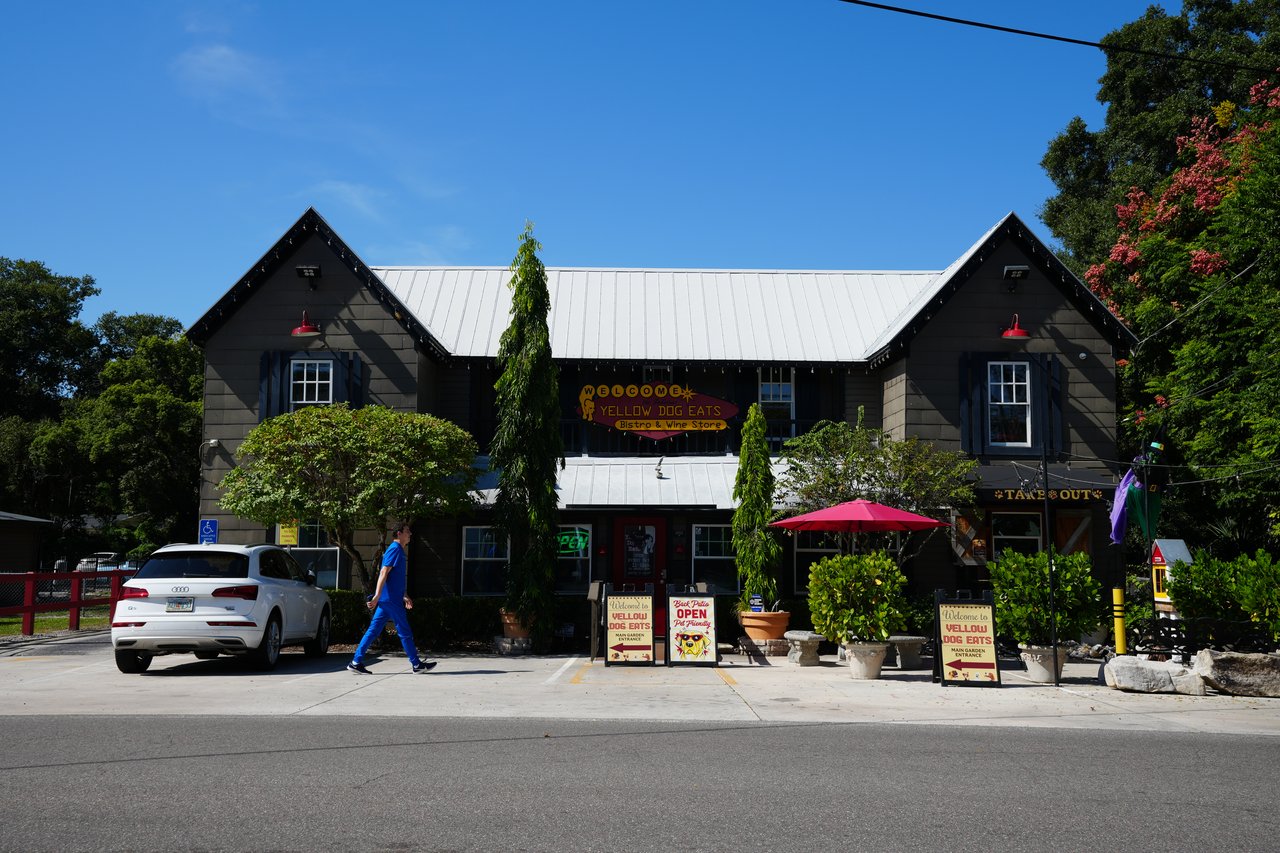
Gotha's social life is built around a single, genuinely beloved anchor: Yellow Dog Eats. Housed in a 1910 country store near the historic town center, it's more than a restaurant — it functions as the neighborhood's public living room. The multi-story patio, craft sandwiches, and live acoustic music draw people from across Central Florida, but its real value to Gotha residents is the way it creates community density in a place that otherwise disperses people across large lots and long driveways.
Beyond Yellow Dog, the dining and nightlife experience is defined by what Gotha intentionally lacks. There's no restaurant row, no late-night commercial strip, no tourism-adjacent energy. Happy Hour culture along Hempel Avenue and community events at Turner Hall — fundraisers, seasonal festivals, and the enduring influence of the town's original German social club traditions — fill the social calendar in a way that feels earned rather than programmed.
When residents want fine dining or a more active evening, the drive to Plant Street in Winter Garden or Restaurant Row in Dr. Phillips takes roughly 10 minutes. Gotha is designed as a sanctuary from that energy, not a competitor to it. If that trade-off fits your life, it's a meaningful one.
This is where Gotha's unincorporated status pays a direct financial dividend, and it's a number worth running before comparing Gotha to neighboring cities on price alone.
Because Gotha is a census-designated place rather than an incorporated municipality, residents do not pay a city tax. The bill consists of the Orange County Board of County Commissioners rate, the School Board rate, and a few minor district levies such as the St. Johns River Water Management District. The result is a total millage rate roughly 3 to 5 mills lower than nearby Winter Garden or Windermere — a difference that translates to approximately $2,000 to $4,000 in annual savings on a $750,000 property.
There are no CDD fees in most of Gotha. Community Development District assessments — common in Horizon West developments and other newer master-planned communities — are used to repay infrastructure debt and can add $1,500 to $3,500 per year to a tax bill. Avoiding them is a structural advantage of buying in an older, established area.
The Save Our Homes cap still limits assessed value increases to 3% annually for primary residences, and portability remains available for buyers moving from another Florida home — up to $500,000 in accumulated savings can transfer to a new property, which can substantially reduce the long-term tax burden.
The critical warning for out-of-state buyers: the tax figures displayed on listing sites reflect the current owner's protected status, not yours. A seller who has lived in their home for 20 years might be paying $4,000 annually. Upon sale, the property resets to current market value, and your bill could easily exceed $10,000 on the same home. Always use the Orange County Property Appraiser's tax estimator — not Zillow — before finalizing your affordability calculations.
One additional check worth doing: some Gotha streets carry small Municipal Service Benefit Unit assessments for street lighting or retention pond maintenance. These appear on the non-ad valorem section of the tax bill and are easy to miss until you're reviewing the closing disclosure. Ask about them early.
Bent Danholm is the broker and owner of Danholm Collection, a boutique luxury real estate advisory firm based in Gotha, Florida — directly inside the market this guide covers. His office is on Lake Fischer Cove Lane, and his familiarity with the community goes beyond market data. He knows which streets carry drainage quirks, which older ranch homes sit on lots that appraise closer to Windermere estate comps, and where the off-market opportunities are before they become public knowledge.
His approach to both buying and selling is built around target marketing — identifying the most probable buyer profile for a specific property and positioning it to reach that audience directly. For sellers, that means fewer wasted days on market and more qualified conversations. For buyers, it means access to opportunities that never surface publicly.
Bent was recently named Top Luxury Real Estate Leader by Modern Luxury Miami and has been featured by James Edition and DailyMail.com. He also serves as a host on the Emmy-nominated, five-time Telly Award–winning television show The American Dream TV. Originally from Denmark, with professional experience spanning Europe and the United States, he brings a perspective on the market that resonates particularly well with the international buyers Gotha increasingly attracts.
His advice is direct. He'll tell you when a property isn't worth what it's listed for, and he'll tell you when the timing isn't right to sell. That orientation toward long-term outcome over short-term transaction is what makes clients come back.
You can reach Bent at (407) 288-0704, by email at [email protected], or through danholmcollection.com for a private consultation.
There's plenty to do around Gotha, including shopping, dining, nightlife, parks, and more. Data provided by Walk Score and Yelp.
Explore popular things to do in the area, including Fit and Fabulous Gotha, and Andreia Schweich.
| Name | Category | Distance | Reviews |
Ratings by
Yelp
|
|---|---|---|---|---|
| Active | 0.25 miles | 0 reviews | 0/5 stars | |
| Beauty | 0.69 miles | 0 reviews | 0/5 stars | |
|
|
||||
|
|
||||
|
|
||||
|
|
||||
|
|
||||
|
|
Gotha has 1,229 households, with an average household size of 3.28. Data provided by the U.S. Census Bureau. Here’s what the people living in Gotha do for work — and how long it takes them to get there. Data provided by the U.S. Census Bureau. 4,031 people call Gotha home. The population density is 2,165 and the largest age group is Data provided by the U.S. Census Bureau.
Total Population
Population Density Population Density This is the number of people per square mile in a neighborhood.
Median Age
Men vs Women
Population by Age Group
0-9 Years
10-17 Years
18-24 Years
25-64 Years
65-74 Years
75+ Years
Education Level
Total Households
Average Household Size
Average individual Income
Households with Children
With Children:
Without Children:
Blue vs White Collar Workers
Blue Collar:
White Collar:

2030 Lake Fischer Cove Ln Gotha, FL 34734
2030 Lake Fischer Cove Ln Gotha, FL 34734