13,067 people live in College Park, where the median age is 40 and the average individual income is $86,105. Data provided by the U.S. Census Bureau.
Total Population
Median Age
Population Density
Average individual Income
Orlando, Florida | ZIP 32804
College Park sits about two miles north of Downtown Orlando, and it gets its name from the streets themselves — Princeton, Harvard, Yale, Vassar, Dartmouth, Cornell, Amherst, Smith. Developers in the 1920s land boom named the grid after the country's older universities, and the naming convention stuck as the neighborhood filled in through the 1950s. Nearly a century later, those street names are the fastest way to orient yourself: if you're standing on a road named after a college, you're in College Park.
What makes the neighborhood distinct within Orlando isn't just the age of the housing stock. It's the combination of three things that rarely appear together in Central Florida — a genuine walkable main street in Edgewater Drive, a chain of urban lakes woven directly into the residential grid, and a location close enough to downtown that a five-minute drive gets you to the courthouse. Most Orlando neighborhoods offer one of those. College Park offers all three on oak-canopied streets where the tree cover is old enough to close over the road.
The tradeoff is that College Park is a neighborhood in transition, and has been for roughly fifteen years. The original housing stock — modest bungalows and mid-century ranches averaging around 1,600 square feet — sits on land that has appreciated far faster than the structures on it. That mismatch drives everything else in this guide: the teardown activity, the wide price spread between a 1950s original and a new custom build on the same block, and the negotiating dynamics that come with it. Understanding that tension is the difference between buying well here and overpaying.
The neighborhood covers ZIP code 32804 and runs roughly from Lake Ivanhoe and I-4 on the east and south, north toward Fairview Shores, and west toward the Orlando Executive corridor. Edgewater Drive runs north-south through the center as the commercial and social spine.
Housing here is more varied than most people expect from a "historic" neighborhood. Single-family homes dominate, but there's a real supply of townhomes and low-rise condominiums, particularly closer to Ivanhoe Village and along the southern edge. That variety is one reason College Park draws such a wide buyer pool — first-time buyers in the $300,000s and luxury buyers at $2 million-plus are shopping the same ZIP code, often within a few blocks of each other.
Inventory sits in the range of roughly 95 active listings at any given time. That's modest for a neighborhood of this size, and it produces what I'd describe as a balanced-to-mild seller's market with an important qualification: the market is balanced in the aggregate but sharply split by condition. Turnkey homes and new builds move quickly. Original-condition properties requiring significant work sit, and often sit for months. Anyone reading a single "days on market" figure for College Park is reading an average that blends two very different markets.
The dominant development pattern is infill redevelopment. Older, smaller homes are routinely purchased, then either gut-renovated with rear additions or demolished entirely and replaced with 3,000-plus square foot custom homes. This is not occasional. It is the defining feature of the market, and it's actively reshaping block-by-block character throughout the neighborhood.
Here are the core numbers as they currently stand:
Metric | Current Market Data |
|---|---|
Median sale price | $647,000 – $655,000 |
Median listing price | $653,650 |
Price per square foot | $388 – $390 |
Median days on market | 37 – 70 days (varies sharply by condition and tier) |
Sale-to-list ratio | 95.0% – 97.3% |
Median monthly rent | ~$1,800 |
That median masks an unusually wide distribution. Condos and townhomes generally trade between $300,000 and $500,000 depending on square footage and amenities. Original or moderately updated mid-century single-family homes — typically two to three bedrooms — run $450,000 to $750,000. New construction and lakefront luxury properties occupy a separate tier entirely, from roughly $1.1 million to $2.4 million and above for four- and five-bedroom homes.
The single most revealing statistic in College Park right now is this: roughly 41% of active listings have taken a price reduction. That number tells you the market is disciplined. Buyers are rate-sensitive and condition-sensitive, and they are not chasing aspirational pricing. Sale-to-list ratios in the 95% to 97% range confirm it — the typical buyer here is negotiating three to five percent off asking, and getting it.
At the same time, the top of the market behaves differently. Fully renovated homes and quality new construction, particularly within walking distance of Edgewater Drive, command premiums and can generate competitive bidding. The premium buyers pay for turnkey condition is not vanity. In a market where roof age determines insurability and cast iron pipe determines whether you'll be trenching your front yard in year two, "already done" carries measurable financial value.
What this means practically: the spread between an unrenovated home and a finished one is wider in College Park than most Orlando neighborhoods, and that spread is where both risk and opportunity live.
College Park's building stock spans roughly fifty years of Florida construction history, and each era carries different implications for cost, maintenance, and resale.
Craftsman and period bungalows (1920s–1930s) are the neighborhood's most photographed homes and its most coveted. Look for front-gabled roofs, exposed rafter tails, low-pitched rooflines, and deep covered porches on thick tapered columns. Interiors typically retain original hardwood floors, and exteriors are usually wood siding. These are concentrated closest to the Edgewater Drive corridor. Buyers pay a premium for authenticity here, but should understand they're also buying the oldest systems in the neighborhood.
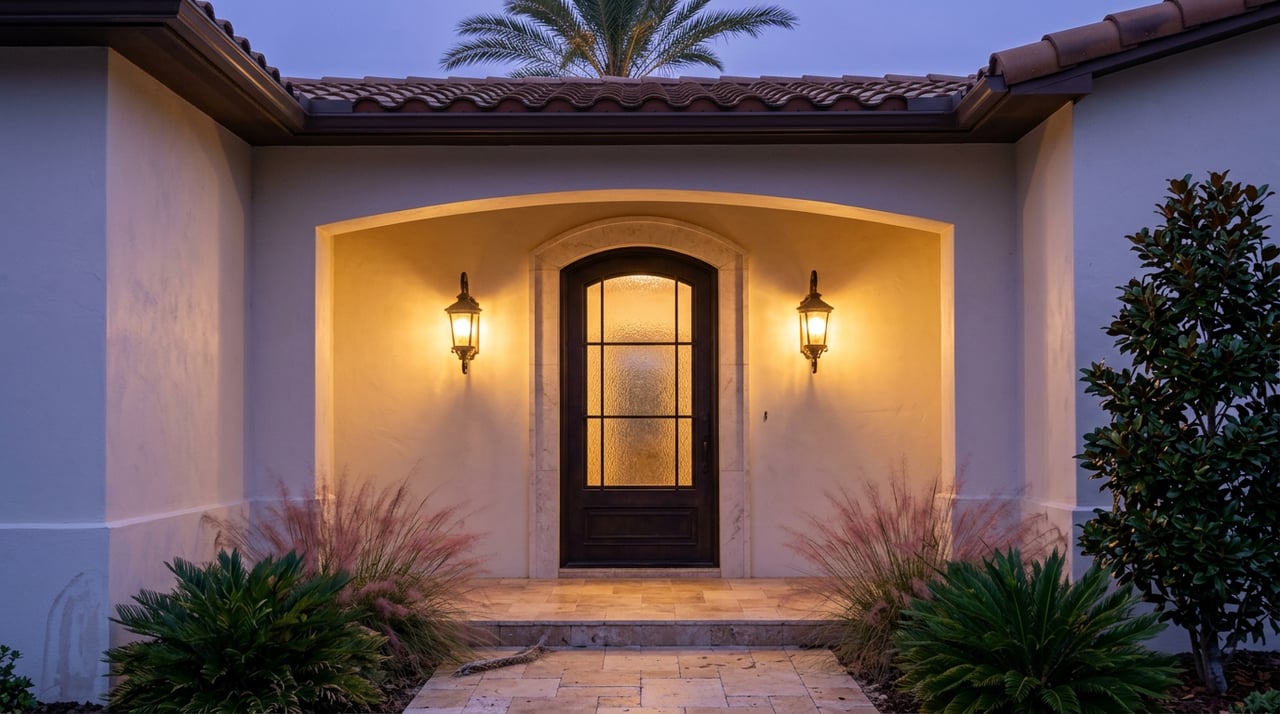
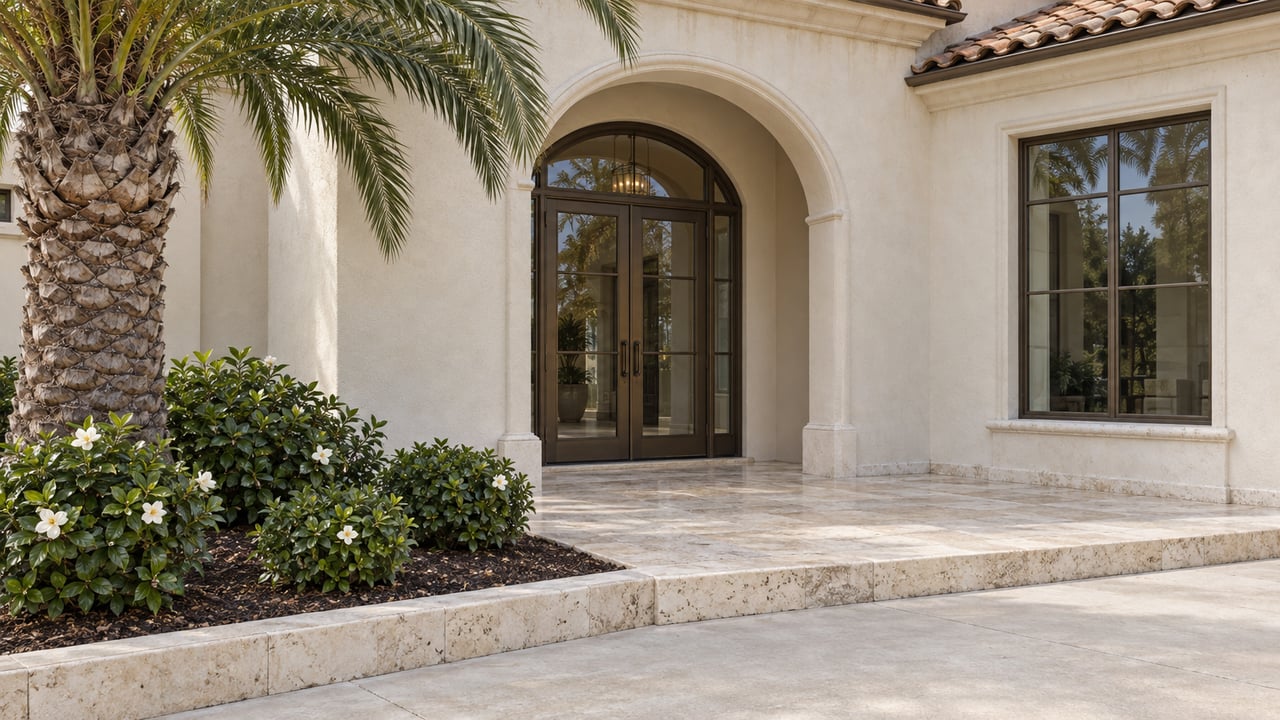
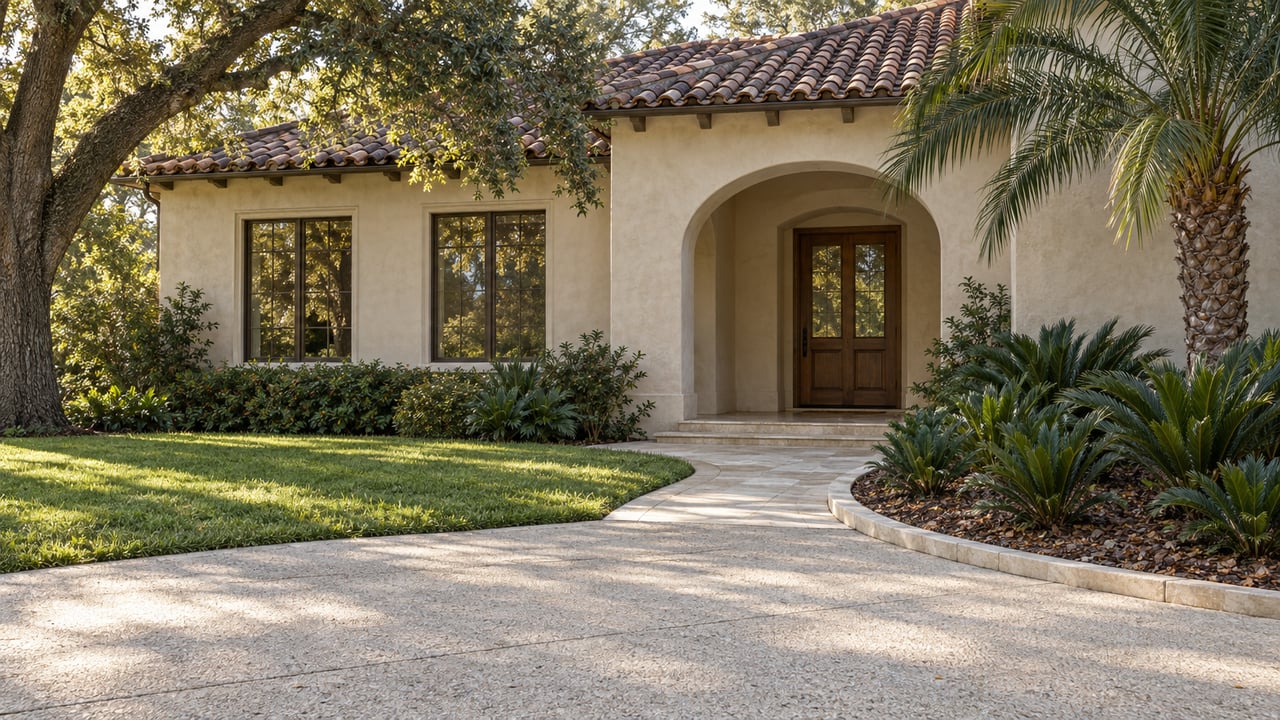
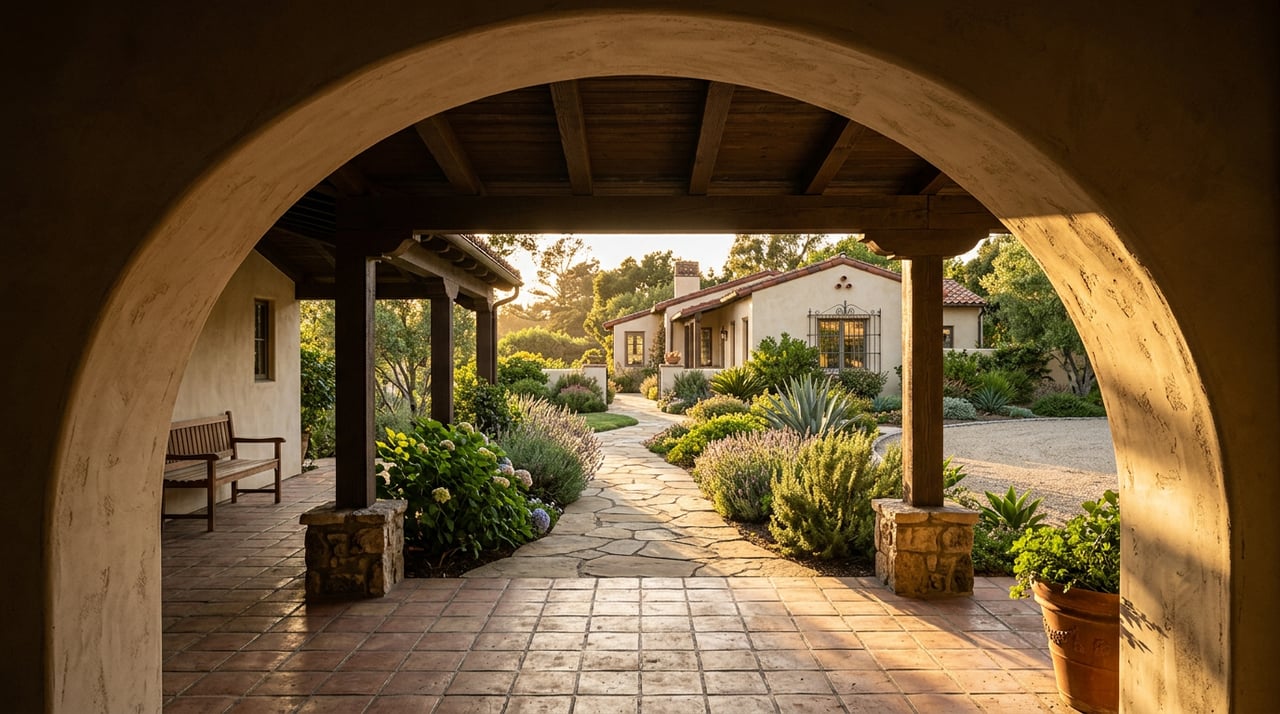
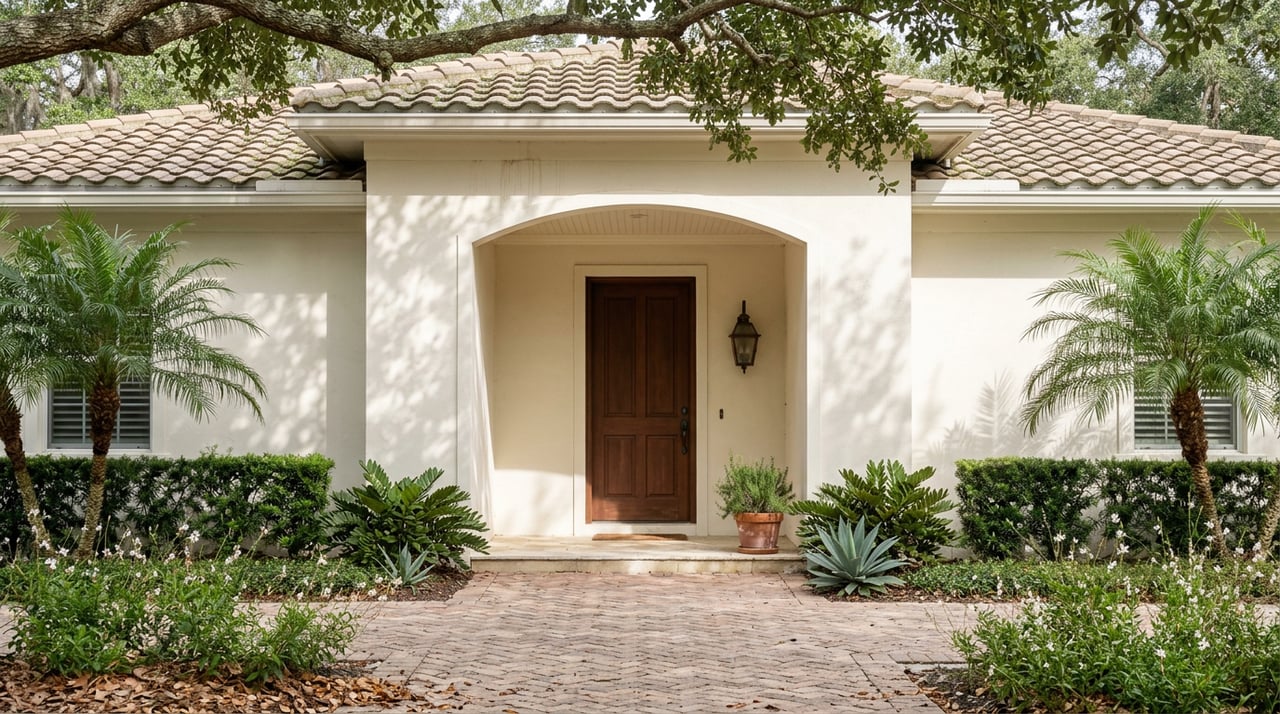
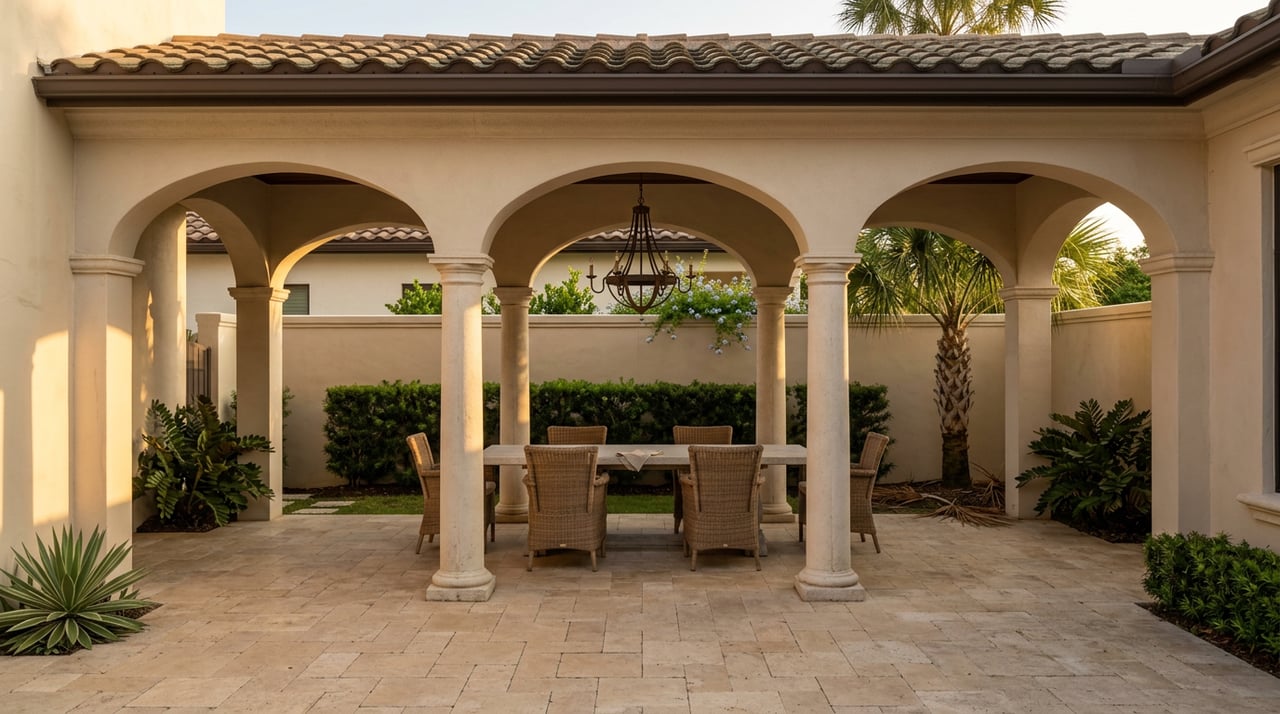
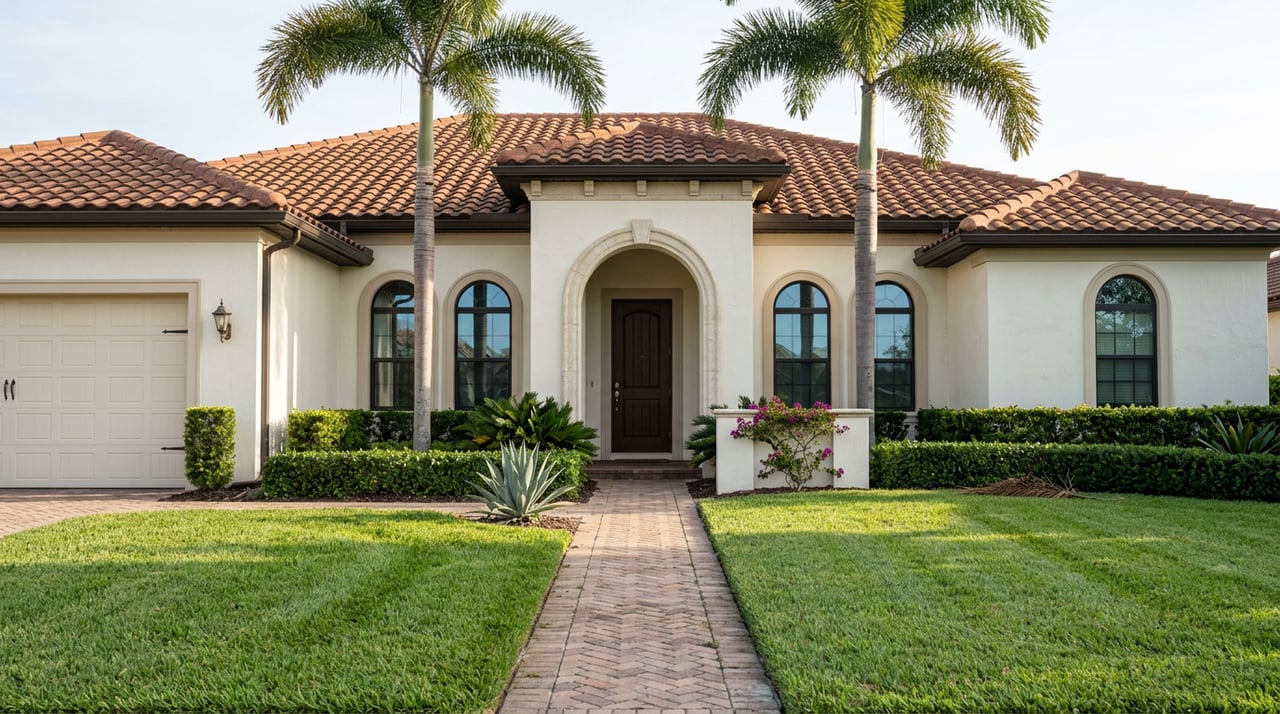
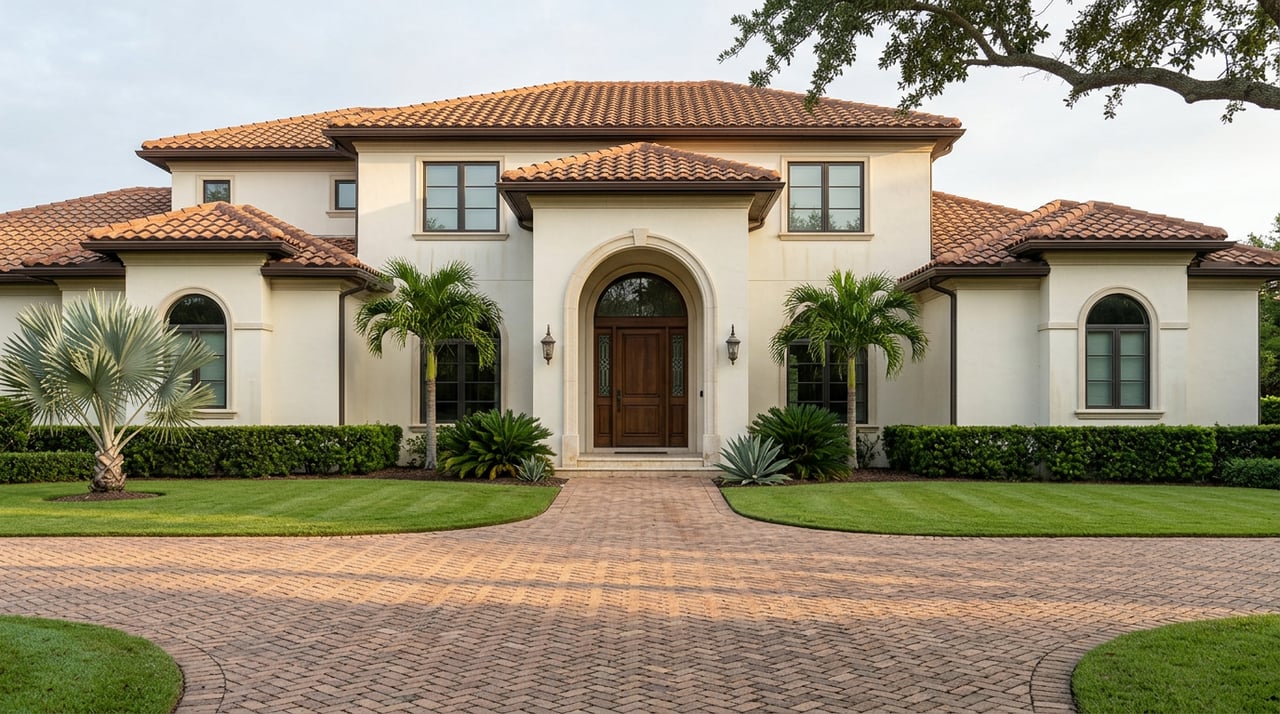
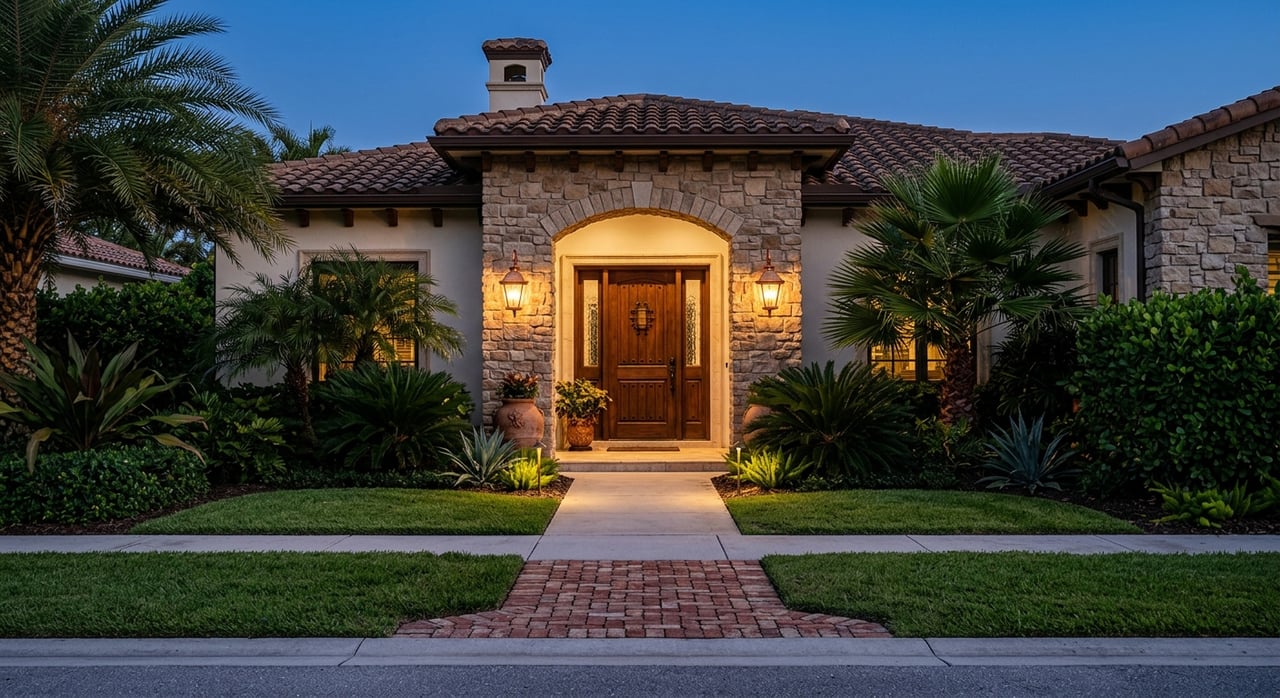
Mediterranean Revival homes (1920s land boom) are the grand statement properties — stucco exteriors, low-pitched barrel tile roofs, arched openings, wrought-iron detailing, decorative tile work. They cluster around the Dubsdread Golf Course area and near the lakes, where lot sizes and original budgets were larger. These homes read as classic Florida estate architecture and are the ones most likely to be preserved rather than replaced.
Mid-century ranches and Cape Cods (1940s–1950s) make up the largest share of original parcels in College Park. Single-story, horizontal footprints, multi-pane windows, concrete block or brick construction. Architecturally they're the least celebrated, but structurally they're often the most practical: solid block construction, straightforward roof lines, and floor plans that adapt well to interior wall removal and rear additions. If you're planning to renovate rather than rebuild, this is usually the tier that pencils out.
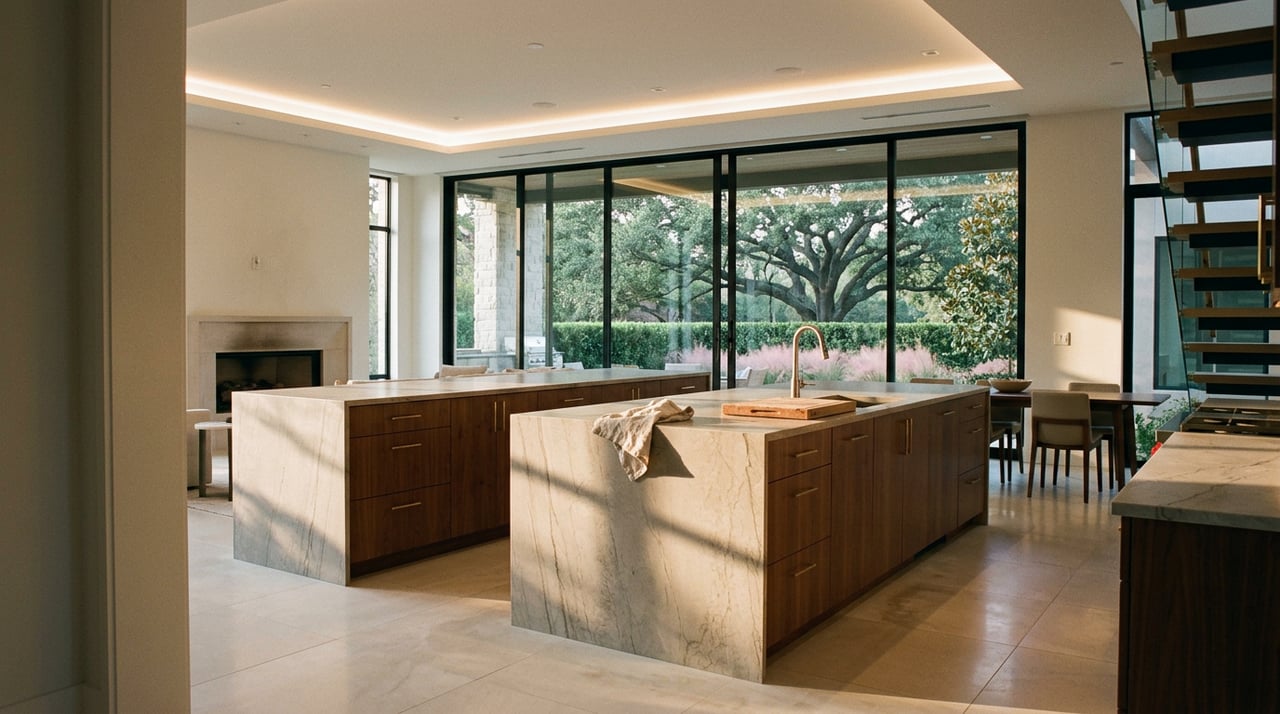
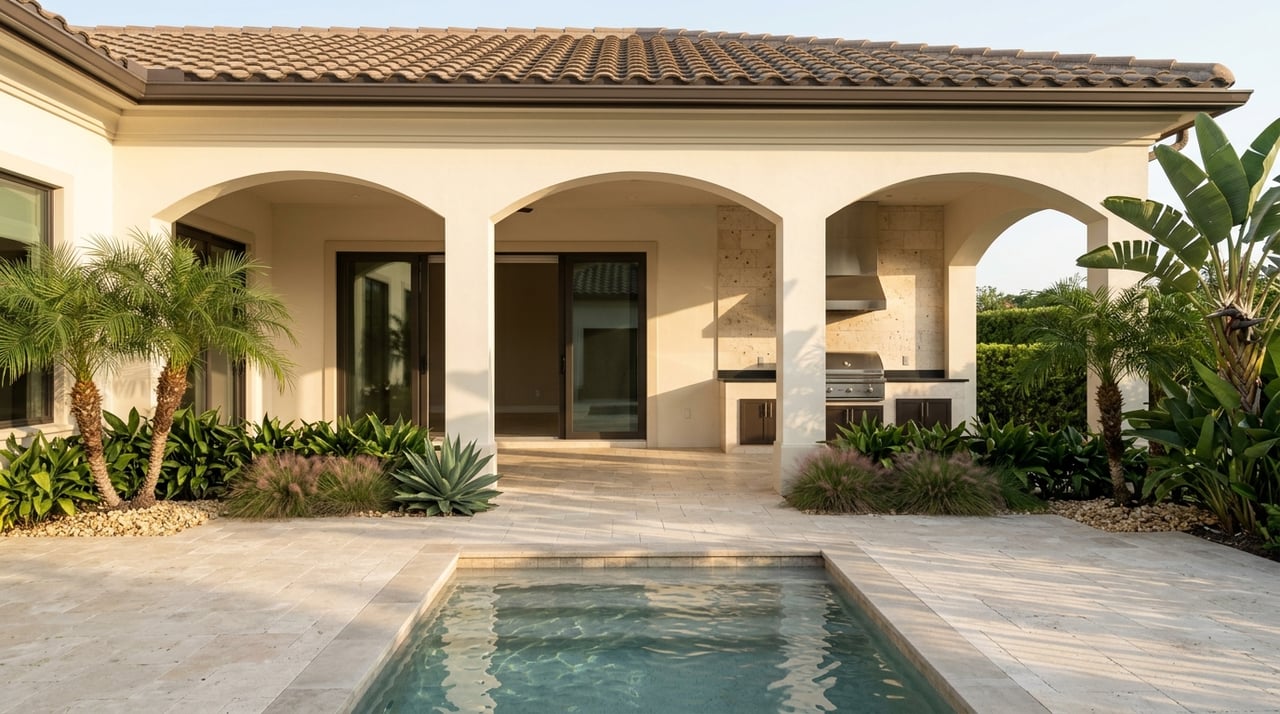
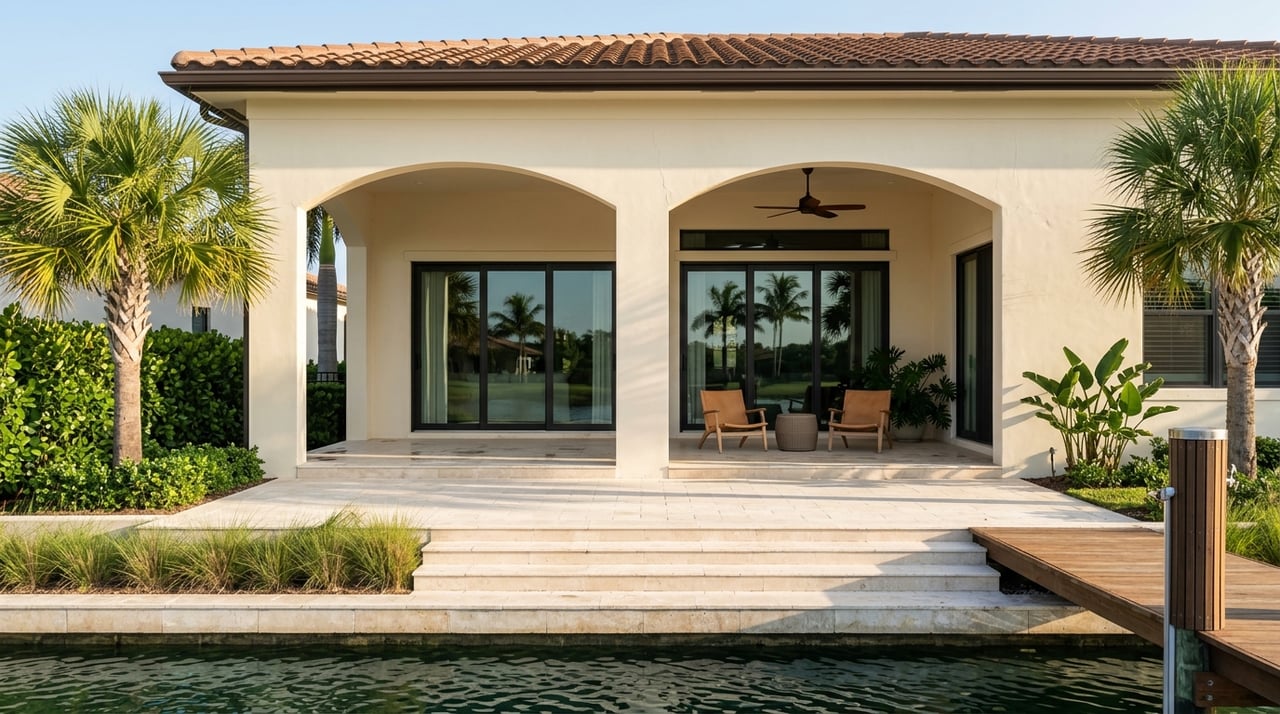
Modern infill (2010s–present) now appears on nearly every block. Modern Coastal, Transitional Modern, and Contemporary Farmhouse dominate. Open-concept plans, high ceilings, multi-car garages, energy-efficient systems, and pool-anchored outdoor living areas.
The result is a streetscape where a 1927 bungalow, a 1954 ranch, and a 2024 custom home can share a single block face. Some buyers find that eclectic mix charming. Others find it jarring. It's worth walking the specific block, not just the neighborhood, before deciding which camp you're in.
This is the section most College Park guides skip, and it's the one that affects your money most.
The math driving redevelopment is simple. Median home size sits around 1,600 square feet, while land values on prime 0.15 to 0.25-acre lots have climbed to somewhere between $350,000 and $500,000 or more depending on location and lake proximity. When the land approaches or exceeds the value of the structure standing on it, the structure becomes optional.
There's a regulatory factor that accelerates this considerably: College Park is not a designated City of Orlando historic preservation district. Unlike Thornton Park or Lake Eola Heights, there is no historic board reviewing demolition permits or exterior alterations here. That absence cuts two ways, and both matter to buyers.
If you're purchasing with renovation or rebuild plans, you have latitude that nearby historic districts don't offer. You can alter facades, expand footprints, and demolish without design review. If you're purchasing a preserved bungalow because you love the streetscape, understand that the same latitude applies to your neighbors. The 1940s cottage next door can become a two-story modern build without anyone consulting you.
Replacement homes generally land between 3,000 and 5,000-plus square feet and price between $1.2 million and $2.5 million and up. Not every buyer goes to full demolition — a substantial share choose comprehensive gut renovations with rear primary-suite additions, preserving the period facade while replacing plumbing, electrical, and structural framing behind it. That approach often produces the best resale outcome, because it captures the historic character buyers say they want with the systems they actually need.
Buying an older home in Florida is a different exercise than buying an older home anywhere else, primarily because the insurance market has become the gatekeeper for the entire transaction. Here is what I tell every buyer before we write an offer in College Park.
The four-point inspection determines whether you can insure the property at all. Insurers evaluate roof, HVAC, plumbing, and wiring, and any one of them can block coverage. Three specific issues surface repeatedly in this neighborhood:
Understand the flood picture at the parcel level. College Park is built around Lake Adair, Lake Silver, and Lake Ivanhoe, and the drainage is genuinely hyper-local. Heavy summer rain events produce street flooding on certain blocks and none at all one street over. Pull the FEMA flood zone designation for the specific address — a Zone AE designation triggers mandatory flood insurance and materially changes your carrying cost.
Negotiate from the data. With 41% of listings taking reductions and sale-to-list ratios sitting at 95% to 97%, buyers here have real room. Three to five percent below asking is a defensible opening position on most listings that have been on market past thirty days. Seller credits toward rate buydowns or system replacements often move a deal further than a straight price cut, and sellers frequently prefer them.
Pricing a College Park home well requires accepting which of three markets you're actually in. Sellers who price against the neighborhood median rather than their own tier are the ones generating that 41% reduction statistic.
Original and unrenovated homes ($450,000–$600,000). Your buyer is running demolition or full-renovation numbers before they write an offer, and they will price your home accordingly whether you do or not. Price near land value, generally in the $380 to $400 per square foot range. An overpriced original 1950s ranch predictably sits past seventy days, and by then the days-on-market figure itself has become a negotiating tool against you.
Turnkey mid-century renovations ($650,000–$900,000). Price to true market value based on closed sales within a half mile, not neighborhood-wide comparables. Your advantage is that buyers pay real premiums for updated plumbing, electrical, and roofs right now, because those three items determine their insurance cost and their financing certainty.
New construction and luxury ($1.2M–$2.5M+). Value is driven by architectural quality, finished outdoor and pool areas, and lot placement — specifically walkability to Edgewater Drive and lake proximity or views.
Two tactical points apply across all three tiers.
The first is price bracket optimization. Buyer searches on MLS-fed portals run in $25,000 and $50,000 increments. Listing at $649,000 rather than $655,000 places you in front of every buyer searching up to $650,000 and every buyer searching above it. That's not a rounding decision — it's a meaningful expansion of your audience for six thousand dollars of asking price.
The second is pre-listing insurability. Order your own four-point inspection before you go live. If the roof or panel is going to kill the deal, you want to know in week one, not during a buyer's inspection period after you've taken the home off market. Addressing known issues up front eliminates the most common cause of late-stage cancellations in this market and removes the buyer's strongest renegotiation lever.
Finally, presentation matters more here than the price point alone suggests. The oak canopy, the lake proximity, and the walk to Edgewater are the emotional drivers of this neighborhood, and they don't show up in interior photography. Drone and video coverage that captures the tree canopy and the neighborhood context is worth the expense.
Despite an overall market where most sellers are negotiating, the best homes in College Park still draw multiple offers — particularly move-in-ready mid-century renovations and quality custom builds within walking distance of Edgewater Drive. Winning those without overpaying requires tactics matched to this specific market.
Address the appraisal risk directly. Price per square foot in College Park varies enormously by renovation level, which means appraisers working from mixed comparables sometimes come in behind a fast-moving contract price. An appraisal gap guarantee — a stated commitment to cover a defined amount above appraised value, say $10,000 to $25,000 — is often more persuasive than raising your price, because it removes the seller's biggest fear about accepting your offer.
Compress your inspection timeline before you write. Florida contracts commonly default to a ten to fifteen day inspection period. Line up your inspector before submitting so you can offer five to seven days. Then narrow the scope: specify that inspection is for structural and safety defects, or for informational purposes only. That language signals you won't return with a list of cosmetic repair demands, which is exactly what sellers fear from a long inspection window.
Pre-inspect when the listing allows it. On the highest-demand properties, bringing an inspector through during an open house or private showing lets you waive the inspection contingency outright with your eyes open. This is the strongest offer structure available and the reason it's worth having an inspector on standby before you start touring.
Use escalation clauses with a hard cap. An escalation that beats the highest verifiable competing offer by set increments — $3,000 is typical — up to a firm ceiling ensures you pay slightly above genuine competition rather than substantially above it.
Neutralize the insurance question in advance. Include a pre-approval letter from a local lender who routinely works with four-point inspections and wind mitigation reports. If you can demonstrate you've already assessed the roof age and major systems and your financing accounts for them, you've removed the uncertainty that makes sellers hesitate on otherwise strong offers.
Edgewater Drive is why people who tour College Park often stop touring other neighborhoods. Brick pavement, wide sidewalks, and a commercial strip built almost entirely from independent local businesses rather than national chains — it delivers a small-town main street experience roughly five minutes from downtown Orlando's core.
On the dining side, Turci Pasta anchors the corridor with handmade pasta produced fresh daily and has become the kind of place residents bring visitors to prove a point about the neighborhood. Armando's College Park covers classic Italian and brick-oven pizza with generous patio seating directly on the Drive. The Doghouse and Mid Drive Dive handle elevated comfort food and modern diner fare respectively. Infusion Tea has been a fixture for years, serving organic teas, plant-based lunches, and scratch baked goods in a deliberately unhurried setting.
Retail runs to clothing boutiques, gift shops, and antique dealers carrying curated home decor and vintage jewelry. Truffles & Trifles, a long-running culinary school and specialty kitchen shop, has been teaching hands-on cooking classes on the corridor for decades and functions as something closer to a neighborhood institution than a store.
Evenings, The Good Pour operates as an interactive tasting bar and event space that doubles as a social hub, while Ollie's Public House covers the neighborhood-pub role with craft beer, cocktails, and indoor-outdoor patio space.
The corridor also closes to traffic several times a year for community events — JazzFest, Dancing on the Drive, and Holiday on the Drive bring live music, local vendors, and open-air markets into the street itself. These events are a genuine part of the neighborhood's identity and a reliable indicator of how engaged the local resident base is.
The lakes are not amenities adjacent to College Park. They're embedded in the residential grid, and each one produces a distinctly different lifestyle and price tier.
Lake Adair sits on the southern edge, closest to downtown, ringed by Lake Adair Park with cobblestone-edged banks, moss-draped live oaks, and perimeter walking paths. This is the neighborhood's most prestigious address, home to mid-century estates and Mediterranean Revival mansions, with lakefront properties commanding roughly $1.8 million to $3.5 million and above. Recreation is non-motorized — paddleboarding, kayaking, bank fishing, and the walking loop that residents treat as a daily ritual.
Lake Ivanhoe borders the eastern side and is the most active of the three, offering direct views of the downtown Orlando skyline. The western shore along Lake Ivanhoe Boulevard carries a mix of luxury high-rise condominiums, modern custom builds, and preserved historic homes. Critically, Ivanhoe permits motorized watersports — water skiing, wakeboarding, and powerboats, with public ramp access. The adjacent Ivanhoe Village district adds paddleboard rentals and waterside dining. If boating matters to you, Ivanhoe is the reason to buy in College Park rather than elsewhere in central Orlando.
Lake Silver occupies the northern section and is the quietest of the three, framed by Lake Silver Park. The shoreline is almost entirely single-family — a mix of updated 1950s ranches and modern infill rebuilds. The park offers walking trails, green space, and a playground, and the water suits canoeing, kayaking, and low-key waterfront use. This is the lake for buyers who want water access without boat traffic.
A practical note: lakefront and lake-view pricing in College Park is steep and specific. A home two streets off the water and a home on the water are not competing for the same buyer, and comparables must be drawn accordingly.
Historic Dubsdread Golf Course opened in 1927, designed by Tom L. Bendelow, making it one of Central Florida's oldest public courses and a direct artifact of the 1920s land boom that built much of the surrounding neighborhood. It plays as a classic 18-hole, par-71 municipal course — narrow, tree-lined fairways demanding position over distance, with well-guarded greens. It's a shot-maker's course, not a bomber's.
The historic clubhouse houses The Tap Room at Dubsdread, an award-winning restaurant and pub known for patio dining, craft beer, and burgers. Functionally it operates as a second community gathering place alongside Edgewater Drive, drawing residents who have never picked up a club.
Beyond the course, the College Park Community Center and Pool near Lake Silver provides a public swimming pool, fitness room, basketball courts, and youth and senior programming. Dartmouth Park is the family park of choice, with playgrounds, shaded pavilions, open lawn, and walking paths set within quiet residential blocks. Albert Park, positioned directly on Edgewater Drive, functions as a pocket park hosting pop-ups, seasonal markets, and neighborhood gatherings.
College Park scores in the 70 to 80 Walk Score range along the Edgewater Drive corridor, which places it among the genuinely walkable neighborhoods in a metro area not known for them. Residents routinely walk or bike to the Publix at College Park, to coffee, to dinner, and to boutique shopping. The residential side streets support this — mature oak canopy, continuous sidewalks, and wide streets that accommodate bicycles and e-scooters comfortably.
Drive times from the neighborhood:
Highway access is immediate. I-4 connects at the Princeton Street and Par Street interchanges, with quick onward access to SR-408, the east-west expressway. That proximity is a genuine convenience and, for homes closest to the interstate, a noise consideration worth evaluating in person at rush hour rather than on a Sunday afternoon showing.
Transit is unusually strong for Orlando. The AdventHealth SunRail station sits on the neighborhood's eastern edge near Rollins Street, connecting south into downtown at Church Street and LYNX Central Station, and north toward Winter Park and Maitland. LYNX bus routes 125, 105, and 106 run along Edgewater Drive and Princeton Street with direct service to downtown transit hubs. For a downtown professional, College Park is one of the few Orlando neighborhoods where a car-light lifestyle is actually workable.
Public assignment falls under Orange County Public Schools (OCPS), supplemented by an unusually deep set of private and magnet options within or immediately adjacent to the neighborhood.
Zoned public schools. Princeton Elementary sits in the heart of the neighborhood on Princeton Street, with an established historic campus and notably active parent involvement. Lake Silver Elementary serves the northern portion near the lake of the same name. College Park Middle School on Maury Road covers grades 6–8, though a meaningful share of local families pursue OCPS magnet transfers — Howard Middle's visual and performing arts program is the common destination. Edgewater High School anchors the northern end of the neighborhood along Edgewater Drive and carries specialized magnet programs including the Engineering, Science & Technology Magnet and the Center for Future Educators.
Private and specialized options. St. Charles Borromeo Catholic School operates a Pre-K through 8 campus directly inside College Park. Bishop Moore Catholic High School, on the northern boundary near Fairview Shores, is one of Central Florida's largest and longest-established college-preparatory high schools. Orlando Gifted Academy, a public magnet in the nearby Ivanhoe/Mills area, serves qualified gifted students in grades 2–8, and Orlando Science Charter School just west of the neighborhood offers STEM-focused K–12 education.
School attendance boundaries change. Always verify current assignment with OCPS for the specific address before making a decision based on zoning.
College Park lies within Orlando city limits, which means property owners pay both Orange County and City of Orlando millage, plus school board and special district levies. Combined effective rates in the city generally land in the neighborhood of 1.0% to 1.2% of assessed value annually, though the precise figure depends on the applicable millage in a given tax year — verify current rates with the Orange County Property Appraiser and Tax Collector for any specific parcel.
Two Florida provisions matter significantly here. Homestead exemption reduces taxable value for owner-occupants who file, and Save Our Homes caps annual assessed value increases at 3% or the change in CPI, whichever is lower, for homesteaded properties. Portability allows an accumulated Save Our Homes benefit to transfer to a new Florida homestead, which is worth calculating carefully if you're moving within the state — the savings can be substantial and are frequently left on the table by buyers who don't know to file.
There's a College Park–specific wrinkle that catches renovation buyers off guard. Because Save Our Homes caps assessed increases but a change of ownership triggers reassessment at market value, a long-held home that transferred at a low assessed value may reassess dramatically higher for the new owner. Do not budget from the seller's current tax bill. Estimate from your purchase price.
Beyond taxes, the two ownership costs that most affect College Park budgets are insurance and deferred maintenance on original systems. Florida homeowners insurance has become the variable that determines affordability more than the mortgage rate in many transactions, and premiums here swing widely based on roof age, wind mitigation features, and flood zone designation. Get a bindable insurance quote during your inspection period, not after. On older homes, the difference between a fifteen-year-old roof and a new one can amount to thousands annually — or the difference between coverage and no coverage at all.
College Park rewards buyers and sellers who understand its specific mechanics — the split between original and renovated inventory, the insurance constraints on mid-century systems, the block-level variation in flood exposure, and the pricing psychology of a market where four in ten listings take a reduction. Those aren't details you learn from a portal listing.
Bent Danholm is the broker and owner of Danholm Collection, a boutique real estate advisory firm serving Orlando and Central Florida's premier residential markets. Originally from Denmark, with a career spanning Denmark, France, the United Kingdom, and the United States, Bent brings a background in finance, marketing, and brokerage leadership to a practice built on strategic positioning — identifying the most probable buyer for a property and marketing directly to that audience rather than broadly and inefficiently. He was recently named a Top Luxury Real Estate Leader by Modern Luxury Miami, has been featured by James Edition and DailyMail.com, and hosts on the Emmy-nominated television series The American Dream TV, where he covers the lifestyle and real estate that define Central Florida.
Clients work with Bent for straightforward counsel. That includes advising against a purchase or a listing when the numbers don't support it, because the objective is a good long-term outcome rather than a completed transaction. For buyers, that also means access to off-market opportunities surfaced through direct outreach and market intelligence — properties that never reach public marketing.
If you're considering buying or selling in College Park, reach out for a private consultation. We'll assess your position, outline a strategy, and give you direct recommendations without pressure.
Bent Danholm | Danholm Collection 2030 Lake Fischer Cove Ln, Gotha, FL 34734 (407) 288-0704 | [email protected] License #BK3590420
There's plenty to do around College Park, including shopping, dining, nightlife, parks, and more. Data provided by Walk Score and Yelp.
Explore popular things to do in the area, including Deans Beach Vibes, Cyclone Instruments & Equipment, and Urban Think! Kids.
| Name | Category | Distance | Reviews |
Ratings by
Yelp
|
|---|---|---|---|---|
| Dining | 0.66 miles | 0 reviews | 0/5 stars | |
| Shopping | 0.14 miles | 0 reviews | 0/5 stars | |
| Shopping | 0.59 miles | 0 reviews | 0/5 stars | |
| Active | 0.45 miles | 7 reviews | 2/5 stars | |
| Active | 0.71 miles | 0 reviews | 0/5 stars | |
| Beauty | 0.06 miles | 0 reviews | 0/5 stars | |
| Beauty | 0.06 miles | 2 reviews | 5/5 stars | |
| Beauty | 0.06 miles | 0 reviews | 0/5 stars | |
| Beauty | 0.07 miles | 5 reviews | 1.2/5 stars | |
| Beauty | 0.07 miles | 2 reviews | 4.5/5 stars | |
| Beauty | 0.07 miles | 0 reviews | 0/5 stars | |
| Beauty | 0.1 miles | 3 reviews | 3.3/5 stars | |
| Beauty | 0.11 miles | 1 review | 5/5 stars | |
| Beauty | 0.19 miles | 0 reviews | 0/5 stars | |
| Beauty | 0.28 miles | 0 reviews | 0/5 stars | |
| Beauty | 0.34 miles | 0 reviews | 0/5 stars | |
| Beauty | 0.53 miles | 0 reviews | 0/5 stars | |
| Beauty | 0.54 miles | 1 review | 1/5 stars | |
| Beauty | 0.63 miles | 0 reviews | 0/5 stars | |
| Beauty | 0.66 miles | 0 reviews | 0/5 stars | |
| Beauty | 0.66 miles | 1 review | 1/5 stars | |
| Beauty | 0.66 miles | 0 reviews | 0/5 stars | |
| Beauty | 0.66 miles | 0 reviews | 0/5 stars | |
|
|
||||
|
|
||||
|
|
||||
|
|
||||
|
|
||||
|
|
College Park has 5,772 households, with an average household size of 2. Data provided by the U.S. Census Bureau. Here’s what the people living in College Park do for work — and how long it takes them to get there. Data provided by the U.S. Census Bureau. 13,067 people call College Park home. The population density is 5,017 and the largest age group is Data provided by the U.S. Census Bureau.
Total Population
Population Density Population Density This is the number of people per square mile in a neighborhood.
Median Age
Men vs Women
Population by Age Group
0-9 Years
10-17 Years
18-24 Years
25-64 Years
65-74 Years
75+ Years
Education Level
Total Households
Average Household Size
Average individual Income
Households with Children
With Children:
Without Children:
Blue vs White Collar Workers
Blue Collar:
White Collar:

2030 Lake Fischer Cove Ln Gotha, FL 34734
2030 Lake Fischer Cove Ln Gotha, FL 34734